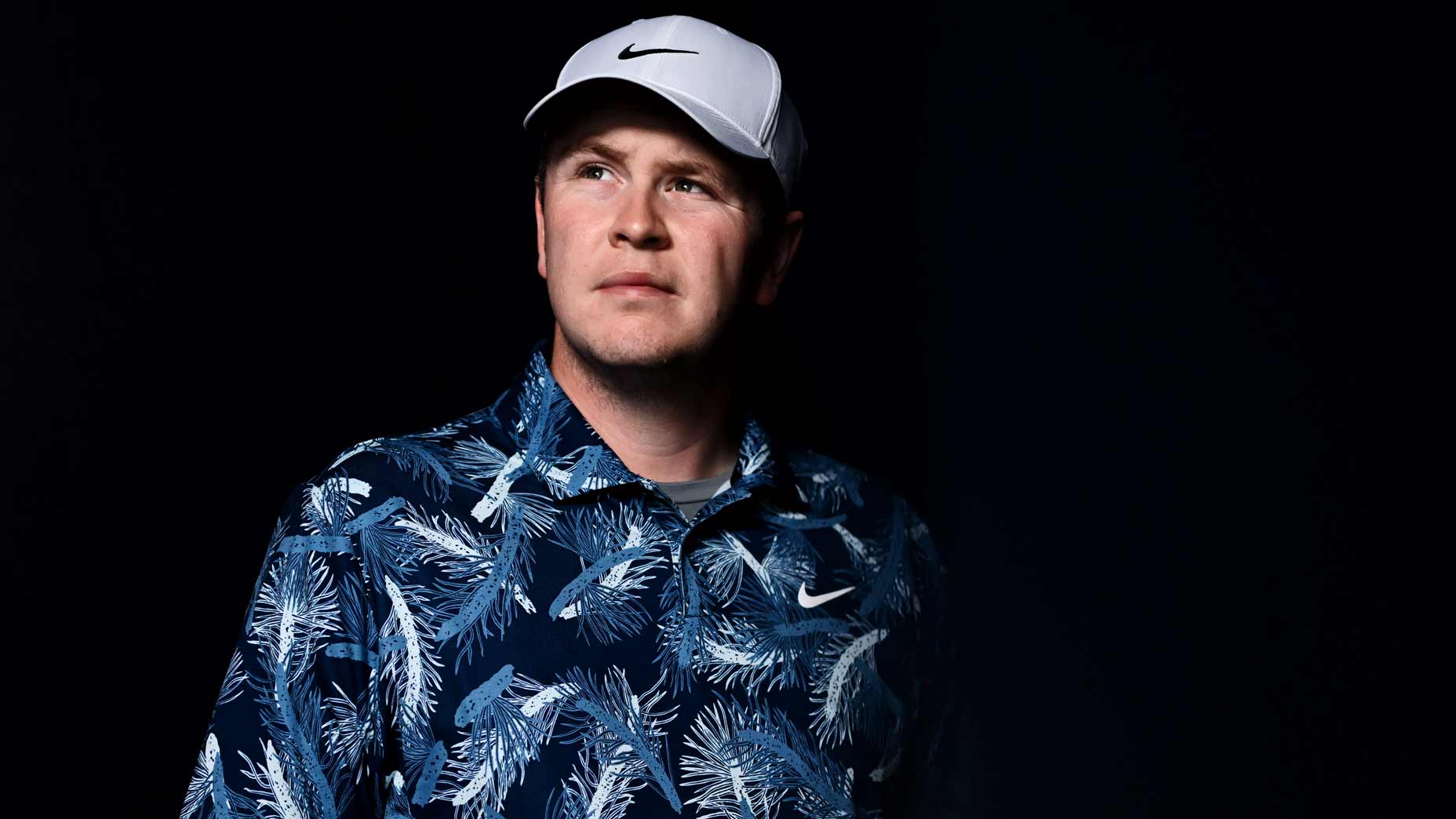
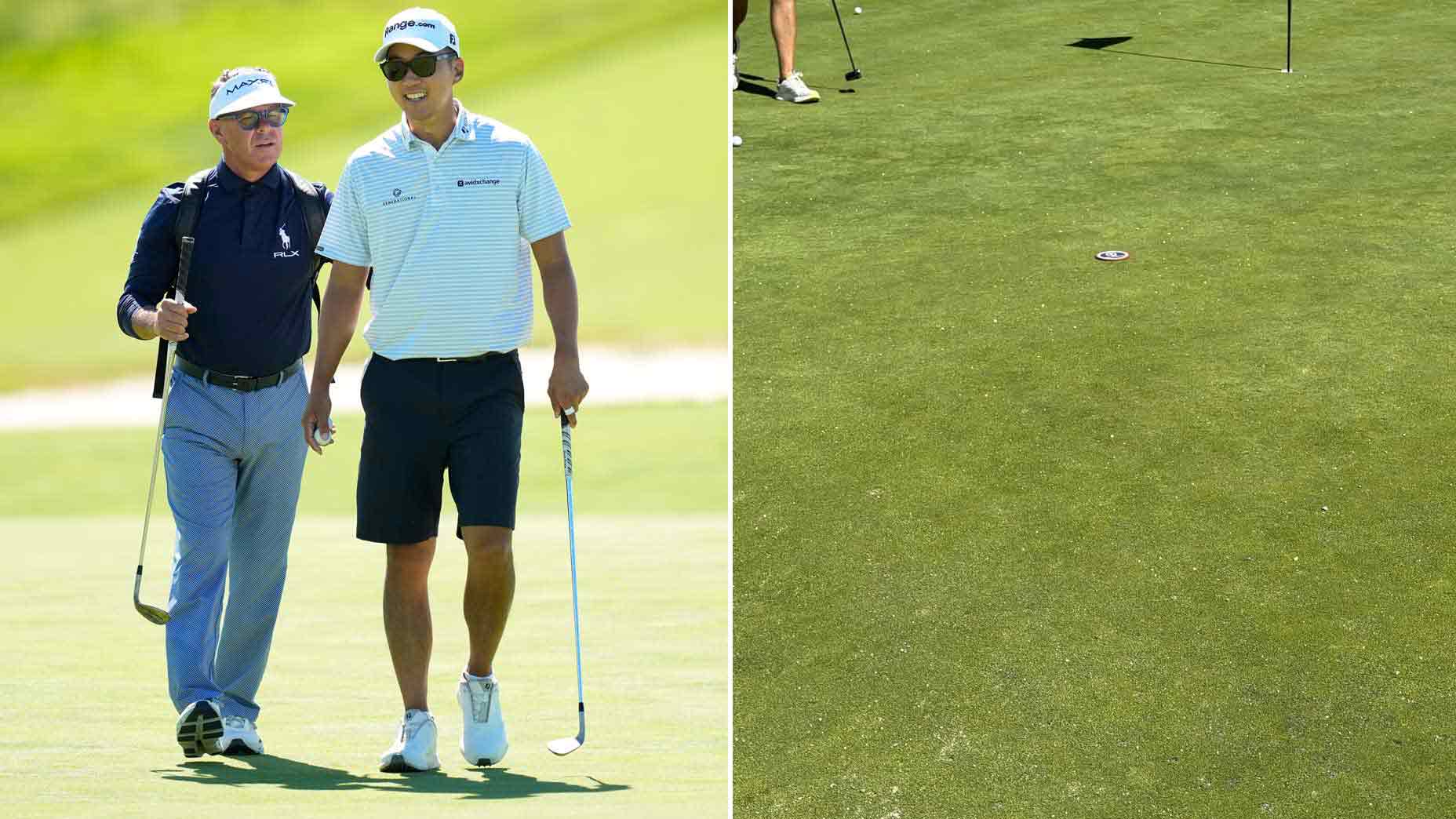
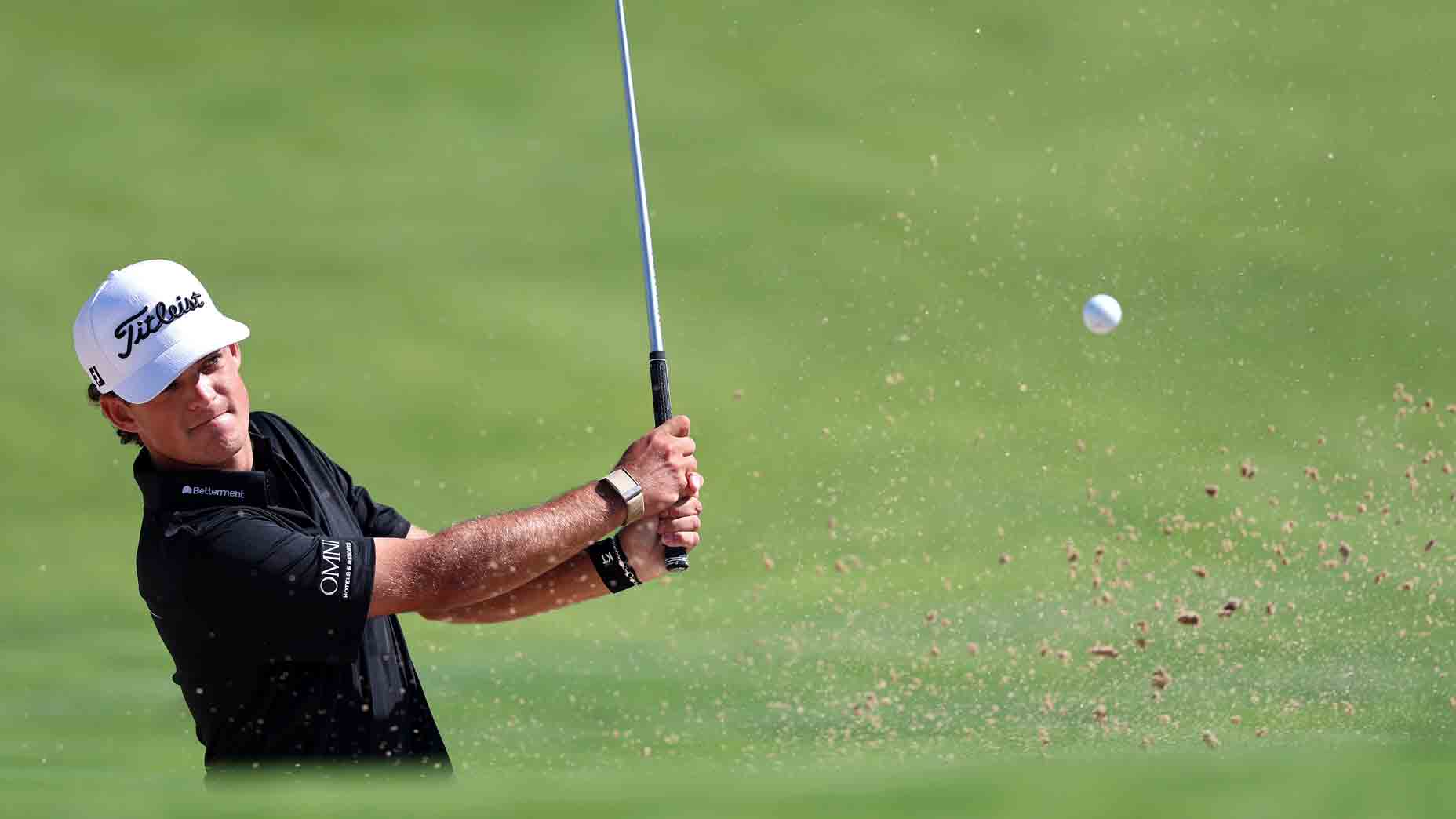
Robert MacIntyre has risen to No. 8 in the world rankings.
Oisin Keniry/R&A/Getty Images
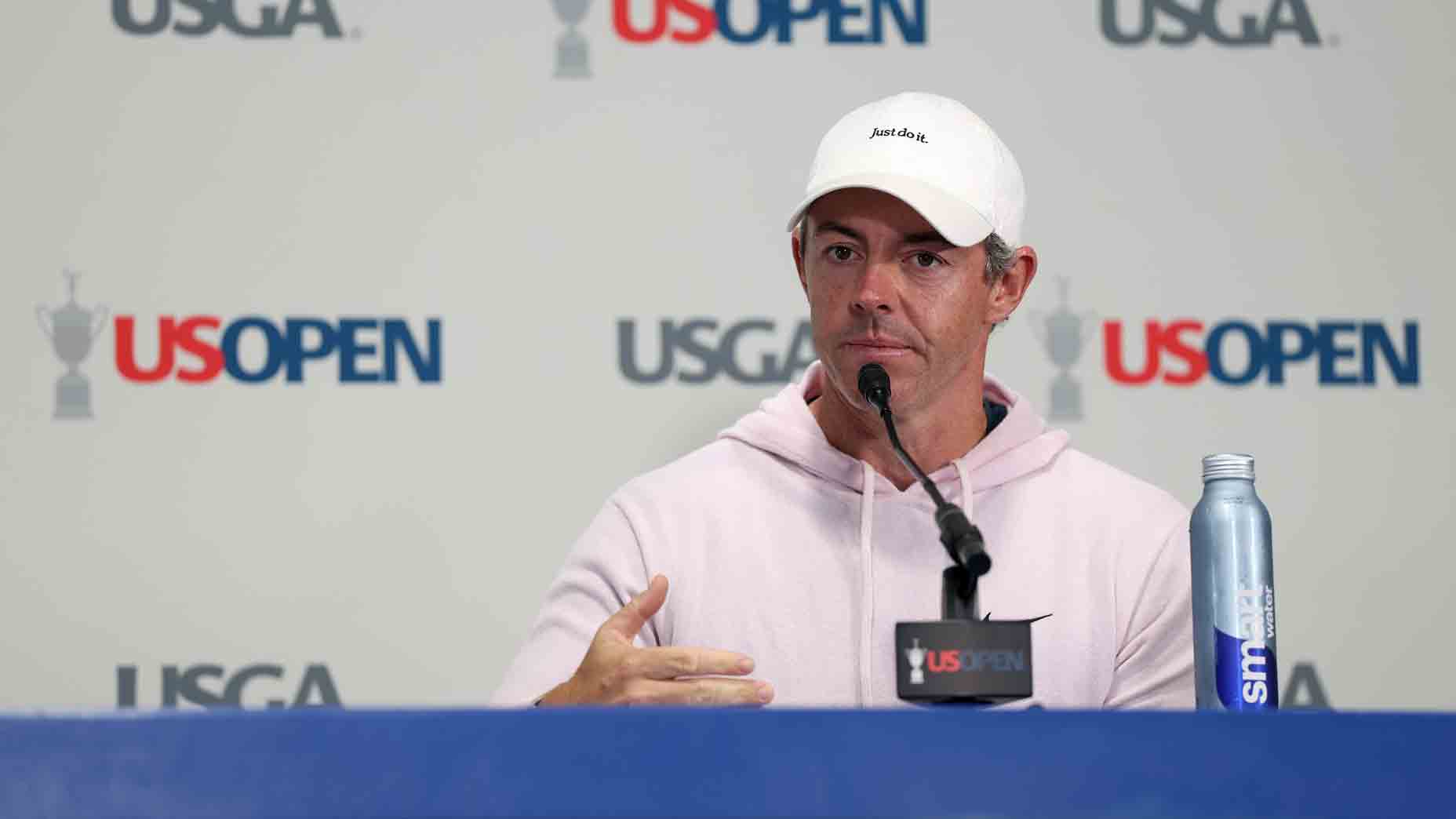
Robert MacIntyre has been on a roll: runner-up at the U.S. Open at Oakmont; T7 at the Open Championship at Royal Portrush; and, just this past Sunday, another runner-up, this time in the second of the three FedEx Cup playoff events, the BMW Championship. That finish, which pushed the Scotsman to a career-high No. 8 in the world, earned him a cool $2.16 million. But money isn’t what motivates the 29-year-old, as he explained to GOLF’s Dylan Dethier earlier this year. Here’s that interview, which originally was published in the April 2025 issue of GOLF Magazine and has been lightly edited for clarity and timeliness.
***
DD: You said you’re more comfortable this year than last. What do you attribute that comfort to? Better results, different mindset, knowing more people, figuring out the schedule …?
RM: A bit of everything. Just having the right support around me. Having the right amount of time at home with family and friends. And just getting back to who I am back home. Like, out here is an absolute circus. You can see it on this range as you walk around. And when you’re on the course, in tournament conditions, it’s carnage some weeks. It’s a lot. So it’s good to get home. Back to normal life.
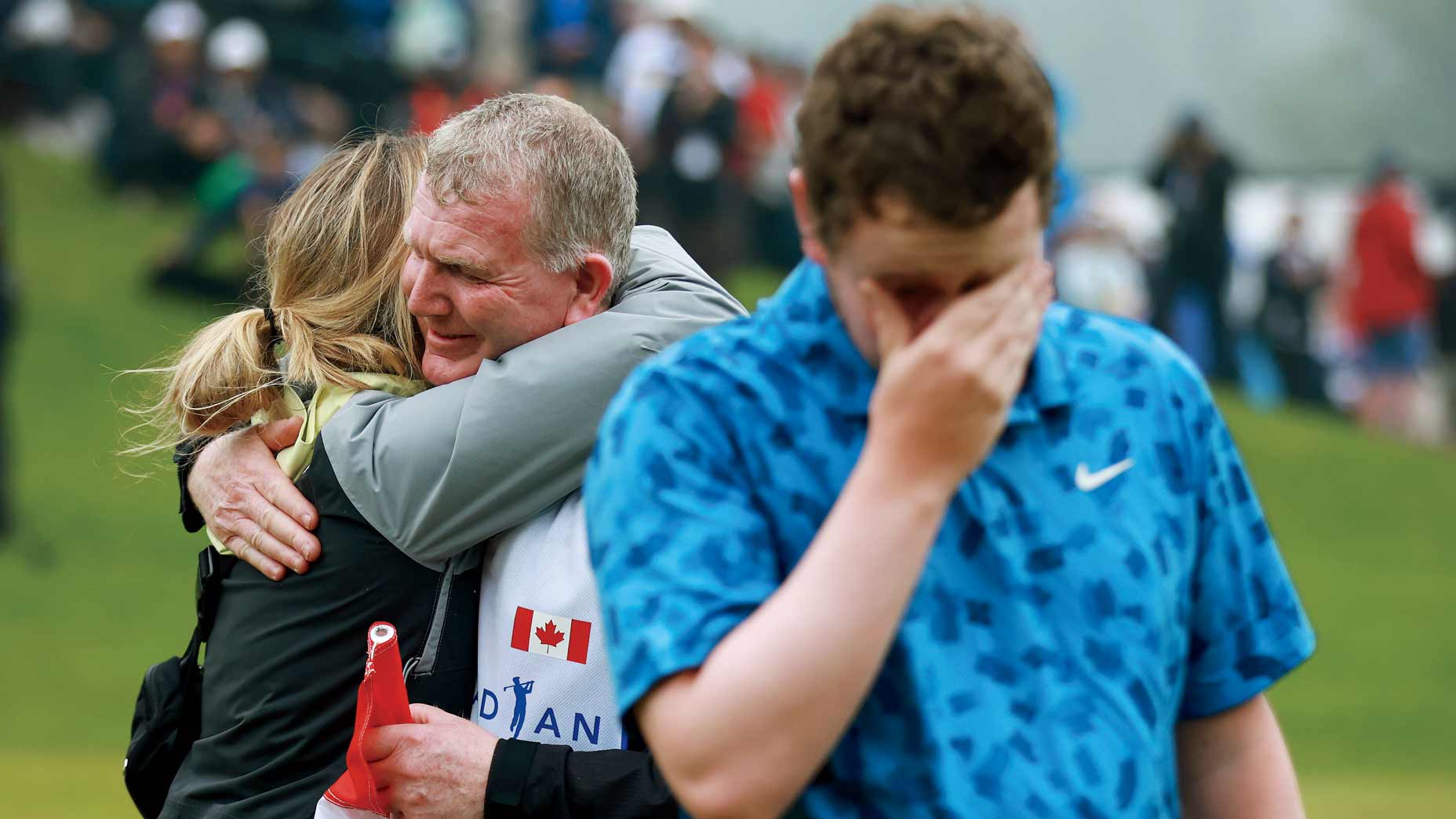
DD: You’ve said it’s hard to reflect on what you did last year, winning twice in fairy-tale fashion — with your father as your caddie at the Canadian Open in June, then a win at the Scottish Open in July — and that maybe it’ll take till you’re retired to really grasp what it meant. But can you believe it happened that way?
RM: It’s outrageous, really. The Scottish Open was more realistic, but I’d dreamt of winning it my whole life. And when I had a chance the year before, when Rory won, I just didn’t know how many more chances I was going to get. So, to get chances at the Scottish Open two years in a row was pretty special, and to get over the line — that was just absolutely everything. Then you look at Canada. I mean, Canada was a real fairy tale. I don’t know if it’s been done on the PGA Tour before, with a father caddying for his son. But it was crazy.
Oh, Canada. The win was overwhelming for the player and his lucky dad, Dougie. Getty Images
DD: Have your dad’s feet touched the ground since that win?
RM: That’s just the thing — we flew home Monday and he was straight back to work Tuesday [as a greenskeeper in Scotland]. He’s just a normal guy. Lives in our small town of Oban, works for a living. Still, he is getting to an age where he could potentially retire and hopefully be able to come to more places like this. He loves his golf and can play himself, too, so it’d be good to have him out every now and again.
DD: How would you describe Oban to someone who’s never been there?
RM: It’s a special place, not just for me. To get to all the beautiful islands off the west coast of Scotland, you have to come to Oban and go from there. But it’s just a small seaside town, a fishing village. In the summer, it’s absolutely beautiful. In the winter, it can be a bit miserable. I think it’s spectacular.
DD: This may be a dumb question, but does it mean anything to you that you’re currently the top-ranked left-handed golfer in the world?
RM: [Laughs] I’m just pushing to be the best golfer I can be, period.
DD: Were there moments growing up where being a lefty made picking up golf more difficult for you?
RM: Yeah, being from a working-class background made it harder to get clubs, and it was so expensive too, because there were limited numbers. But once I got to a certain level and I started getting clubs given to me, that made life a hell of a lot easier.
“When you’re on the course, in tournament conditions, it’s carnage some weeks. It’s a lot. So it’s good to get home. Back to normal life.”Robert MacIntyre
DD: Your friends from when you were a kid, are they your same friends now?
RM: Yeah. I still live in Oban, and when I go home I have some of the boys ’round for dinner. My life is so unglamorous, to be honest with you. It’s unchanged. No fancy things.
DD: You’re smiling as you say that.
RM: It just keeps your feet on the ground. Scots are a negative people; we’re a negative nation. And if someone’s doing well, people will just drag you down. But that’s how I was raised, and I love it. And nothing’s ever a problem in Oban, not really. All my friends are working trades — they’re builders, they’re plumbers. It’s just normal life.
DD: So it doesn’t sound like you’ve made any flashy purchases since your big wins. Did you buy anything? A new house?
RM: I’d already bought a house in 2020, so not that. [Long pause] I mean, I guess I’ve not. If I drove around in a fancy car, someone would do something to it. They’d be like, “Look at him.” So nothing, really. Feet on the ground. [He reconsiders.] Oh, I know. I like my watches. So every now and again, I’ll see a watch, and if I fancy it maybe I’ll say yes sometimes. But even that — you’ve only got one wrist, really. You can’t wear watches on both wrists.
DD: There’s probably a nice metaphor somewhere in there. Thinking back to your comfort and your mindset: They say winning takes care of everything. Have you found that to be true, or is there more to it than that?
RM: It helps, but, for me, it’s more about thinking bigger picture, about realizing that it’s not going to be good all the time, every week. But also, when you’re struggling with something and you’re working hard at it, it’s not going to be bad for forever. It’s going to turn good in the end.
DD: Easier to say than to put into practice, I bet.
RM: Yes. I mean, I’m hard on myself. But I like a good laugh too, even walking between shots. On the course, I probably couldn’t be mic’d up ever. But I just love the competition. That’s why I play the game. The day that I don’t enjoy the competition is the day that I don’t enjoy the golf at all.
Dylan Dethier is a senior writer for GOLF Magazine/GOLF.com. The Williamstown, Mass. native joined GOLF in 2017 after two years scuffling on the mini-tours. Dethier is a graduate of Williams College, where he majored in English, and he’s the author of 18 in America, which details the year he spent as an 18-year-old living from his car and playing a round of golf in every state.
$375+ in value across 20+ benefits. Membership starts at $39.99/year.
All the benefits of regular membership....plus:
$75 Gift Certificate at Johnnie-O
Annual GolfLogix app subscription ($70 value)
Bushnell Green Book ($60 value – over 15K courses to choose from)
Bushnell Green Book Leather Cover ($30 value)
…THAT’S AN EXTRA +$235 VALUE FOR JUST $50 MORE
FREE STUFF
1 Dozen Srixon Golf Balls
$20 FairwayJockey.com credit
1-year GOLF Magazine subscription
EXCLUSIVE CONTENT
GOLF.COM AD FREE EXPERIENCE
50+ pieces of Insiders-only content each month on GOLF.com
GOLF Magazine’s 600+ issue digital archive
Weekly insider newsletters curated by GOLF’s top creators
$500+ in Discounts
Free True Spec fitting with any club purchase
50% off GolfLogix Green Books
50% off GolfLogix Game Improvement App
$100 off any Fairway Jockey purchase of $500
$100 off any Miura Iron purchase of $500
Existing Magazine Subscriptions automatically extended 1 Year. New Subscribers allow 6-8 weeks for your first issue. No minimum FairwayJockey purchase necessary. “Free Stuff” benefits are for paid (non-trialing) U.S. Members only.