April has been called the cruelest month. For golfers, though, it’s the coolest month. It means the active season for handicap posting is fully underway. On April 1, a cluster of states kicks goes live. By April 15, the whole country is posting.
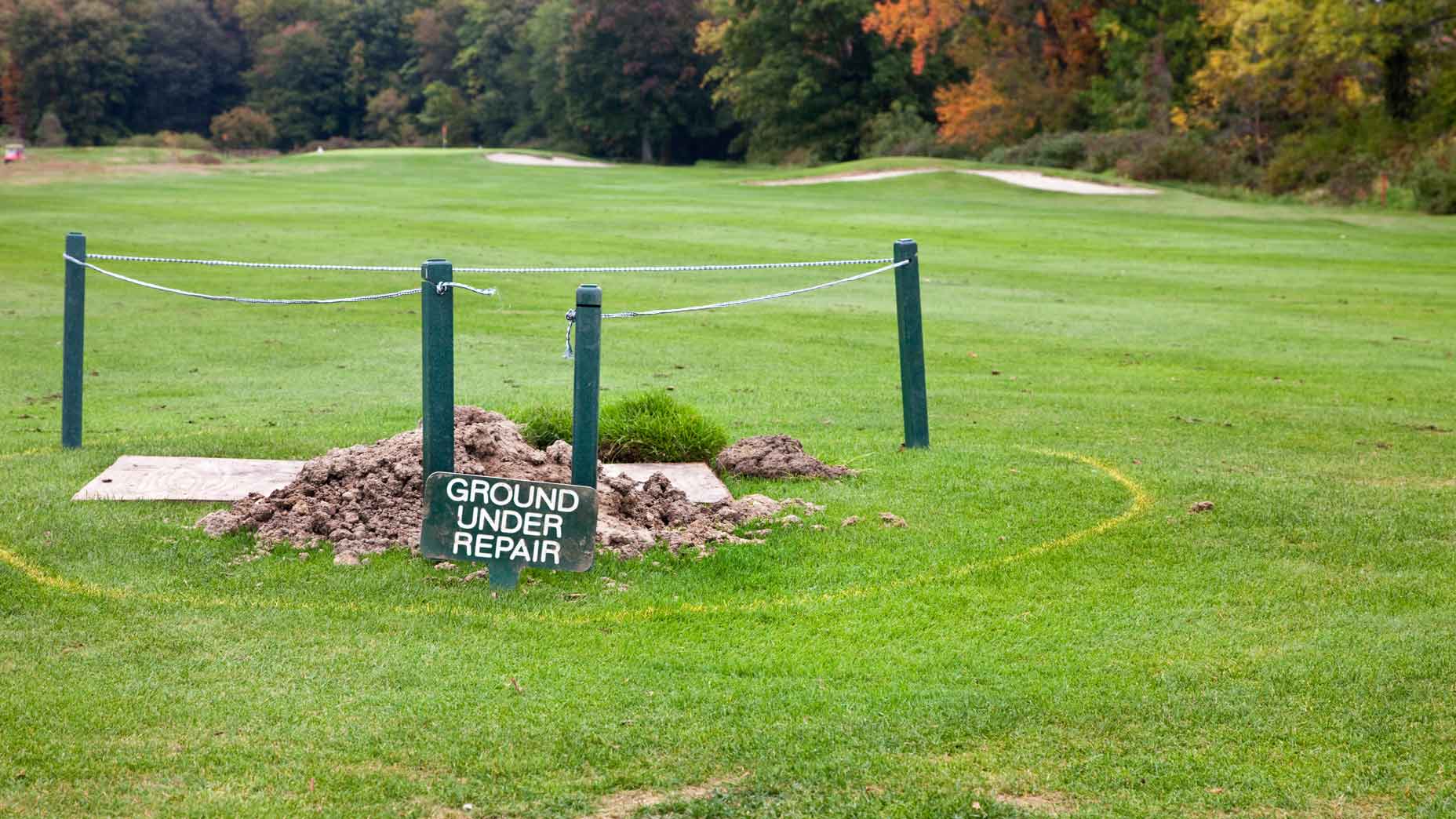
Of course, “underway” doesn’t always mean “ideal.” In early April, some courses are still rounding into shape after winter, and plenty of regions are still at the mercy of unpredictable spring weather. Which makes it a perfect time to brush up on one of the quietly important features of the World Handicap System: the Playing Conditions Calculation, or PCC — a mechanism designed specifically for days when conditions are anything but normal.
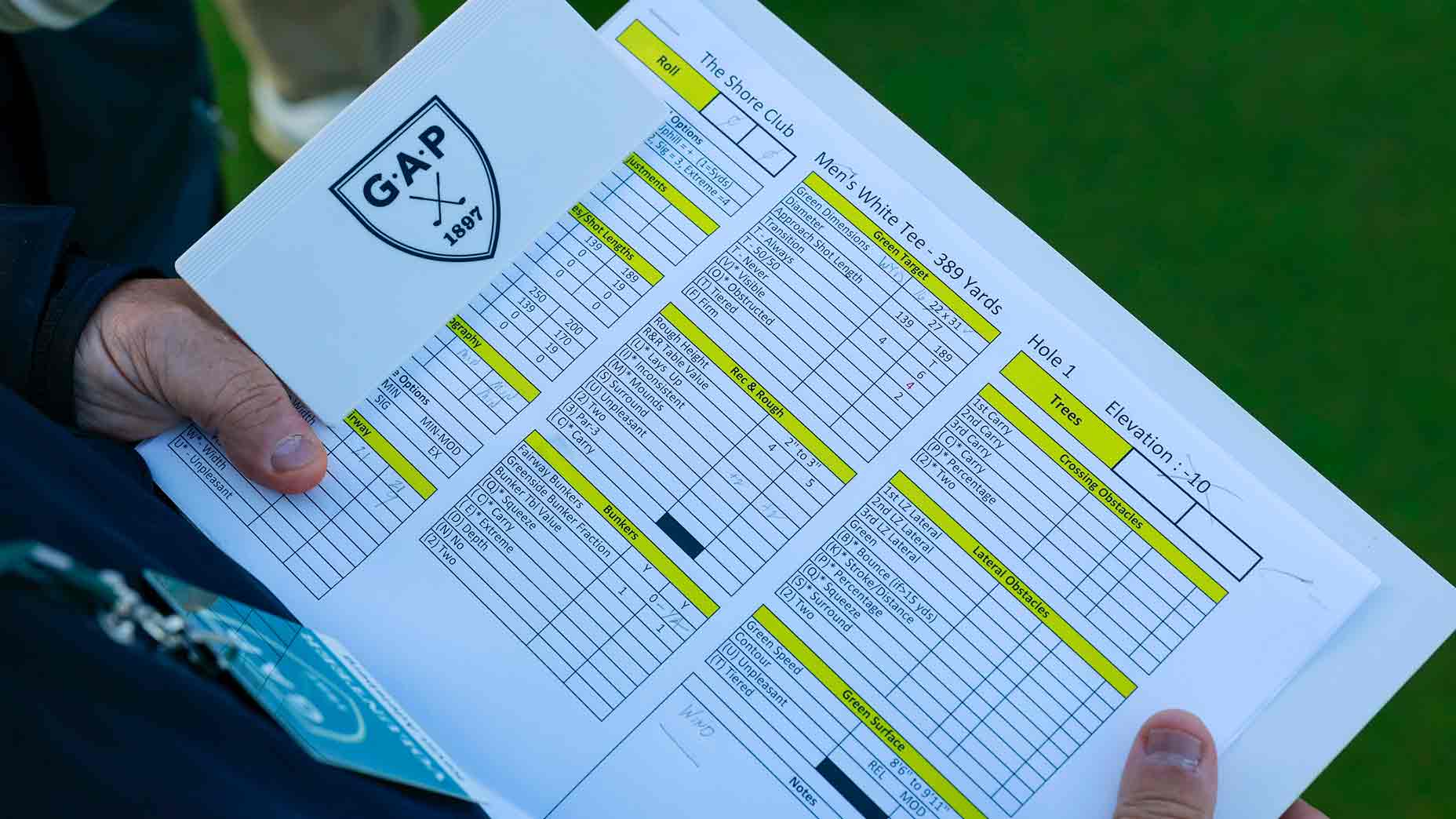
Introduced when the WHS launched in 2020 and refined in 2024, the PCC is a tool implemented by the USGA to adjust score differentials if a course played significantly harder or easier than normal — whether due to weather, wind, firm or soft conditions, or an unusually tough setup. The goal is to keep your Handicap Index accurate no matter what Mother Nature or the superintendent throws at the field. And the effort required on your end is pretty much zilch. The adjustment happens automatically. All you have to do is post your score.
How to use Playing Conditions Calculation
Here’s how it works. Each night at midnight, if at least eight scores have been posted by players with a Handicap Index of 36.0 or below on that specific course and date, the PCC kicks in. It compares actual scores against what those players would be expected to shoot based on their ability. If scoring was abnormally high or low, the system adjusts.
That adjustment can range from -1.0 (conditions played easier than normal) to +3.0 (significantly harder), with 0.0 being the most common outcome by design — the USGA built the PCC to be conservative. If a PCC adjustment is applied to your round, you’ll typically see a “^” symbol next to that score in your record.
The result is a kind of consistency in a game when conditions can be anything but. It means that a brutal day into a 30-mph wind doesn’t disproportionately affect your index, and that a perfect morning on a spongy, receptive course doesn’t, either.
If you don’t already have a Handicap Index, you can get one here.

FlightScope i4 Rangefinder
View Product