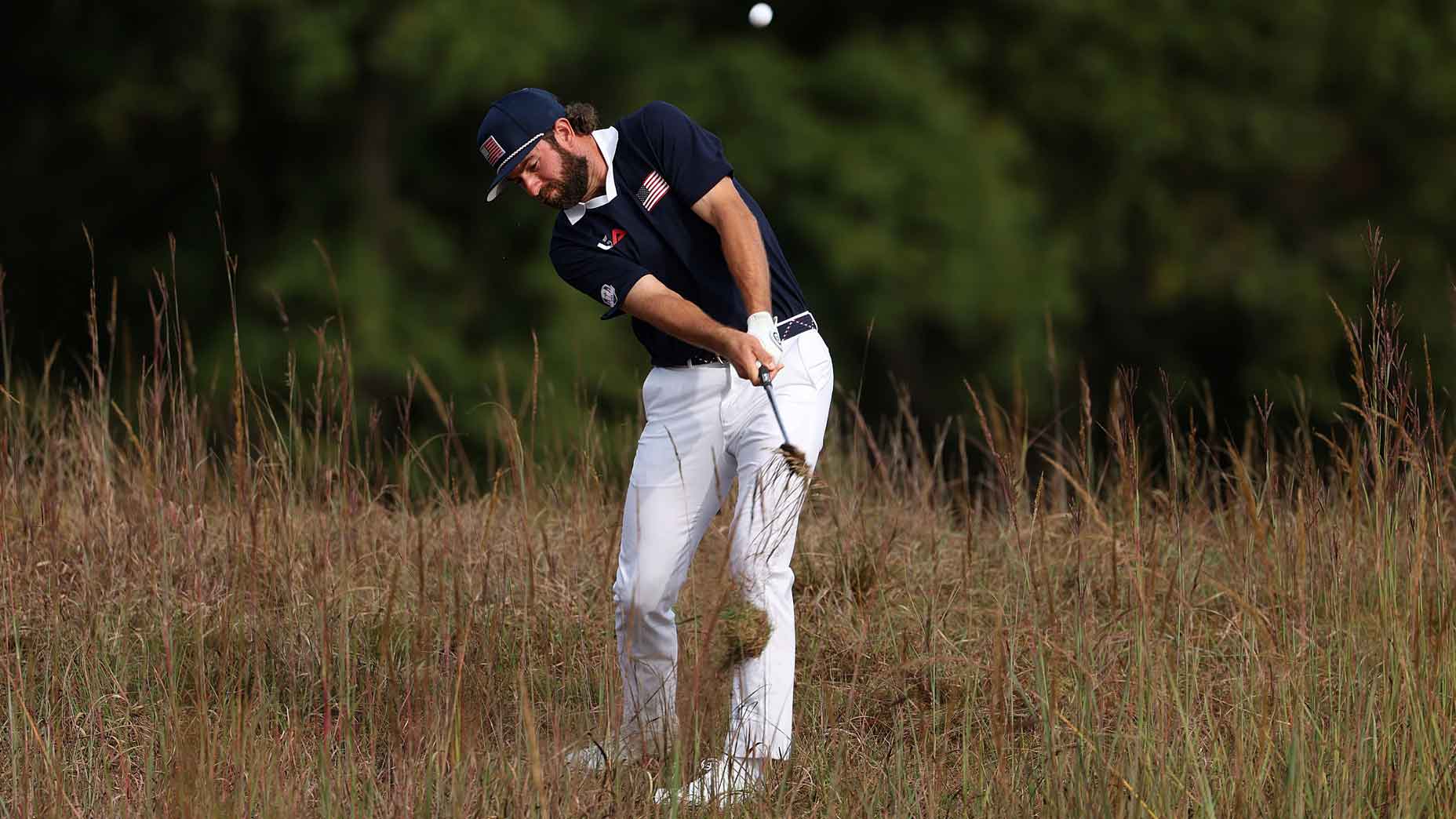
As we watch the Ryder Cup, you’ve likely seen players face some tough conditions — including a long golf course with narrow fairways and some true New York-style rough.
While your home course rough may not be quite as extreme as what they have at Bethpage Black, you still need to know how to handle yourself when you’re in the thick rough. Here’s how you can find success when you find yourself in the gnarly rough.
1. Assess the lie
Not all lies in the rough are the same. You might be in long grass but still have a clean look at the ball — some golfers even prefer this to a tight fairway lie.
If the ball is sitting on top of the grass, you can often treat it like a normal shot. But when the ball begins to sink into the rough, it’s time to assess:
- Can you see half the ball?
- A third of the ball?
- Barely any of it at all?
The less of the ball you can see, the more you need to adjust your setup and swing.
If you try to make a standard swing from a buried lie, the grass can get between the clubface and the ball, drastically affecting contact, ball flight and distance.
2. Tilt your shoulders toward the target
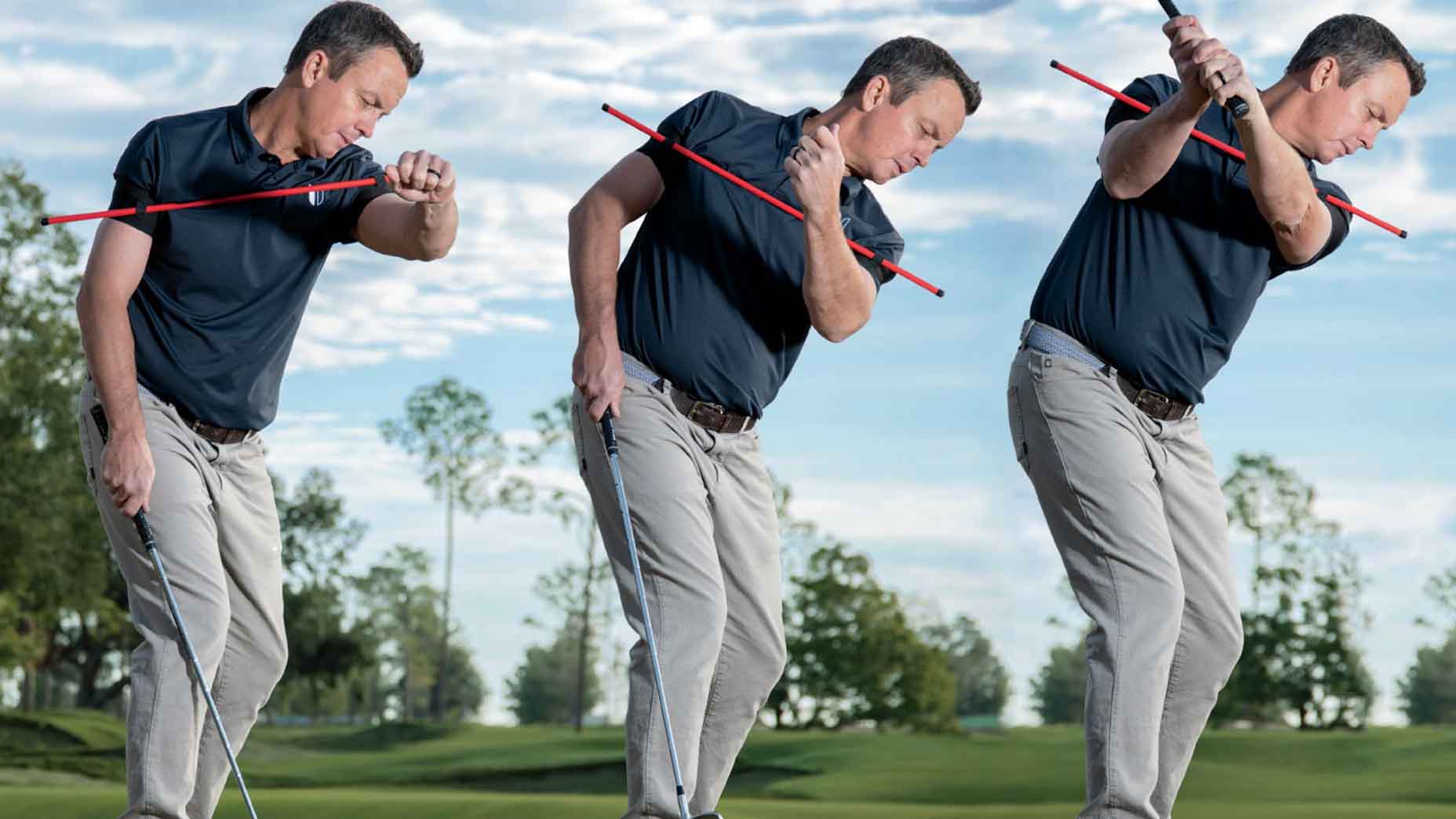
Adjust your setup so that your lead shoulder is lower and your trail shoulder is higher — this shifts your sternum and upper body slightly toward the target. This position creates a steeper angle of attack, helping the club head strike the back of the ball cleanly before digging into the ground.
Let this setup create the steeper swing automatically. As you tilt forward, your weight should favor your lead side throughout the swing, which will help you hit down on the ball more.
3. You have to hit the ground
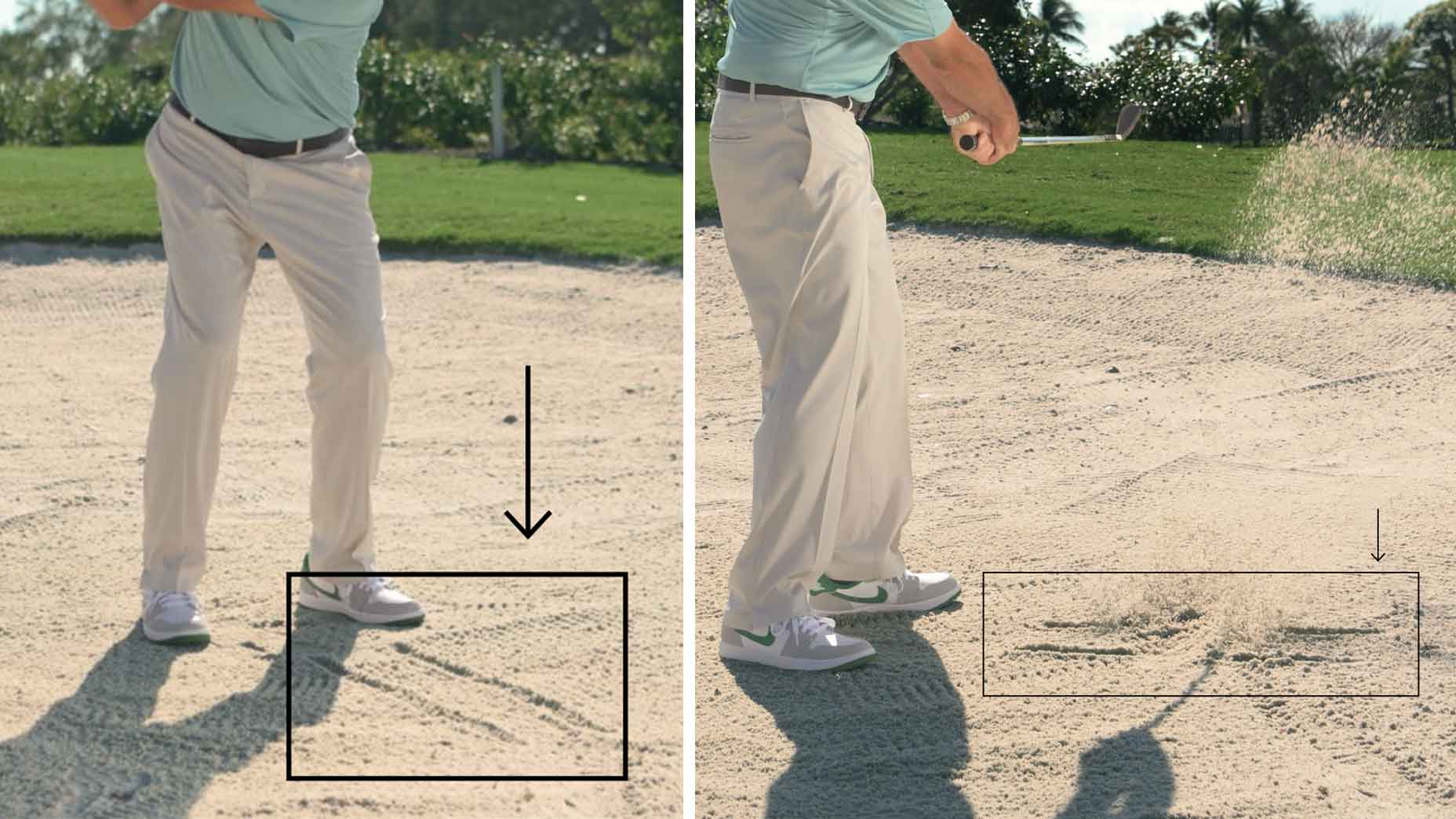
When the ball is sitting down, resist the urge to “help” it into the air. Instead, commit to hitting down into the turf.
With the steeper setup, your club should approach the ball on a descending path. Focus on getting the club into the dirt — not just brushing the top of the grass.
4. Expect a shorter follow-through
Your steep setup and forward weight may slightly limit your backswing, and your follow-through may feel shorter than usual. That’s okay. The goal is down-and-through, not a full finish. Keep your weight and upper body forward to ensure solid contact with the ball before the ground.
5. You may need more loft
When you lean forward, your clubface naturally de-lofts. This means your 7-iron might act more like a 5-iron.
To counteract this, consider using a more lofted club. A lofted hybrid or fairway wood can also be great options to dig the ball out and get back into play.

PING G440 Max Custom Fairway Wood
View Product