Watching my son play competitive junior golf has been a privilege — and a real eye-opener. Observing how these young athletes prepare and perform, I’ve noticed several habits and strategies that the average recreational golfer can learn from. Here are five I singled out.
Training aids for better technique
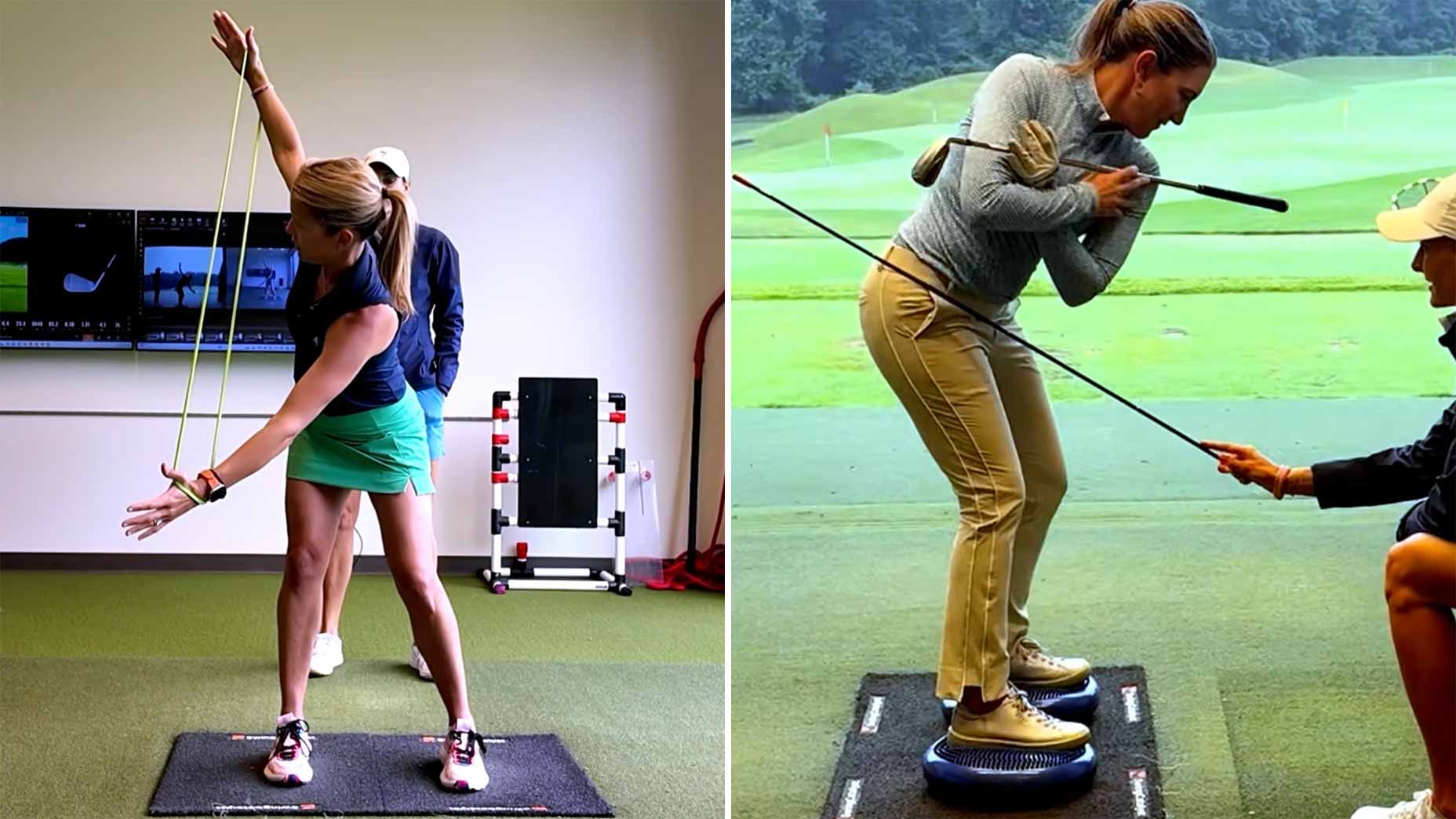
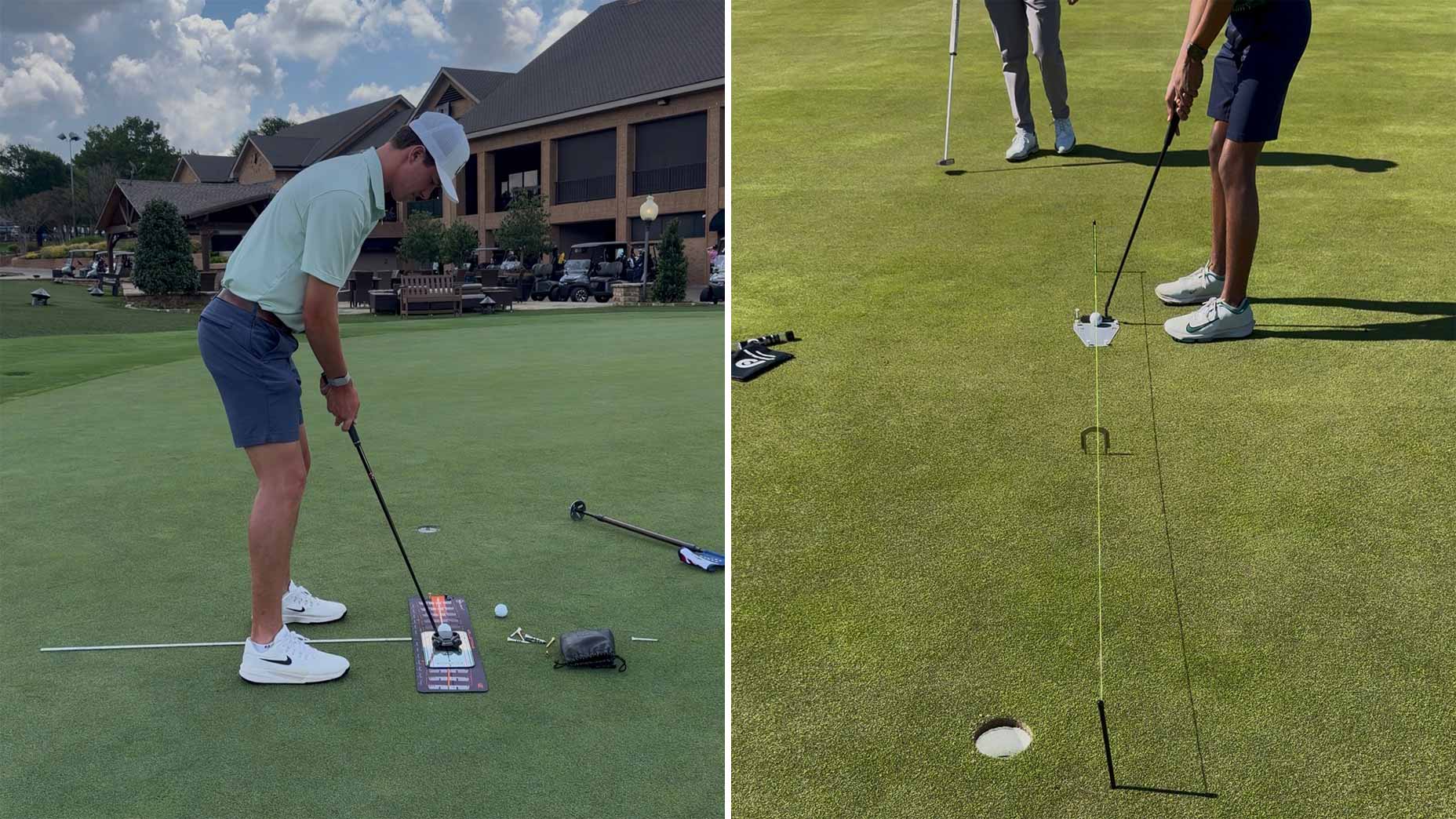
Junior golfers are constantly using training devices to refine their technique. On the range, alignment aids are a staple. They help ensure the clubface is aiming correctly and that body alignment matches. It’s simple but incredibly effective feedback.
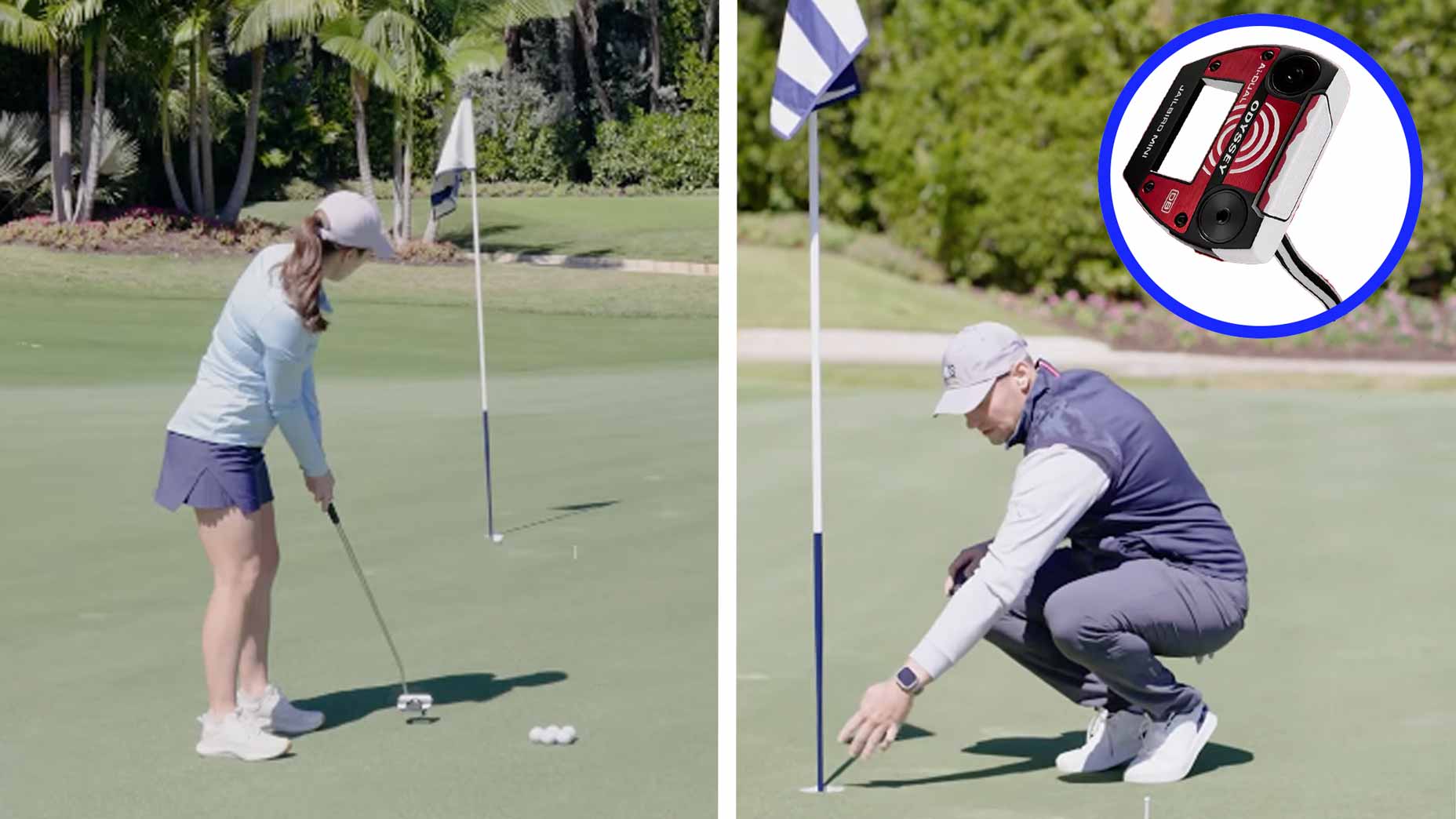
Putting practice is where the use of training aids really stands out. Tools like arc boards and putting mirrors help juniors fine-tune face alignment, stroke path and distance control — key skills for consistent putting.
They practice — a lot
After watching these juniors, one thing is clear: improvement requires intentional practice. They don’t just play — they practice with purpose. If you’re not happy with your game, ask yourself if you’re truly putting in the time. And if you’re unsure what to work on, it may be time to revisit your coach or instructor to get clarity on what your specific focus should be.
They practice after they play
This one really stood out. After a competitive round, many juniors head back to the range or the putting green to work on whatever didn’t go well during their round. It’s not just about grinding. It’s about resolving the day’s weaknesses while it’s fresh. This kind of immediate feedback loop accelerates improvement.
Short game is critical
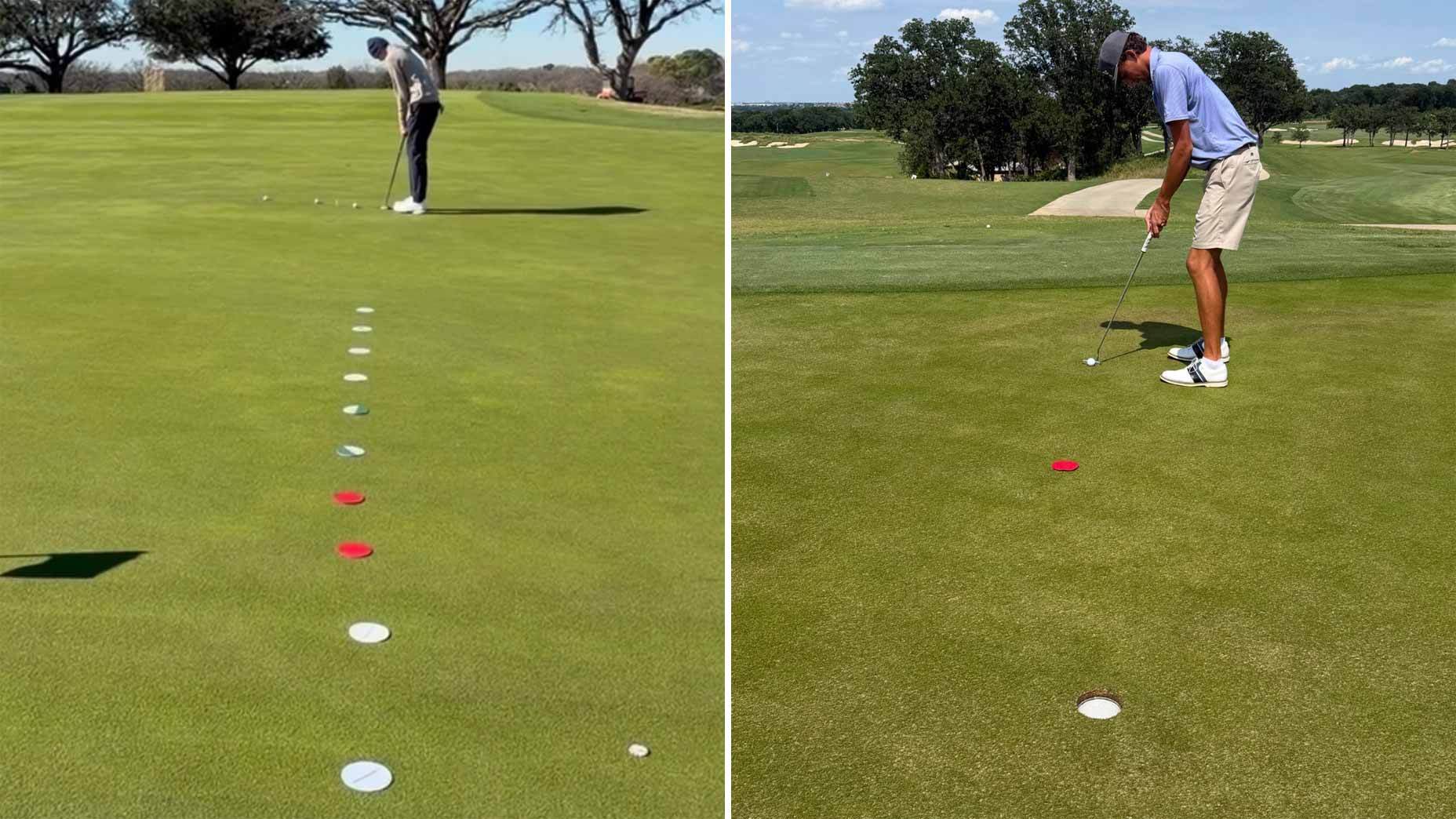
Competitive juniors spend a lot of time on and around the greens. Putting and chipping aren’t just a piece of the warm-up — they’re key to their training. You’ll often see them working on lag putting and distance control, especially to get a feel for green speed. The difference this makes in scoring is huge.
Course management matters
You can hit great shots and still post a mediocre score if you don’t make smart decisions. Which is why many juniors develop course management skills early on. They know it’s smart to be aggressive and when to play it safe.
A question you can ask yourself to improve your decision-making skills on the course is: “Is the gain worth the gamble?”
If going for the green in two saves a stroke and the risk is manageable, go for it. But if the reward doesn’t outweigh the risk, it may be wiser to lay up, avoid hazards and play to your strengths.
Many juniors use GPS tools to guide these decisions, especially on unfamiliar courses. I personally like GolfLogix for its 3D flyovers and distance info to hazards. Smart tools lead to smarter play — and lower scores.