“Let me tell you about the very rich,” F. Scott Fitzgerald’s narrator says in a famed short story. “They are different from you and me.”
For starters, they have a lot more money. They also tend to play a lot more golf courses. Nowadays, that seems particularly true.
If you keep up with golf headlines, you’ve noticed the trend. Every turn of the news cycle seems to bring word of yet another exclusive enclave in the making, targeting a tiny membership with staggering invitation dues.
Clearly, there’s a market for such projects.
There’s also a place in golf publications for stories about them, offering a gauzy sneak peek at playgrounds that most golfers will never see in person. But there comes a point when the audience tires of hearing about the out-of-reach and starts to think: How about some coverage of a course where anyone can, you know, get a tee time?
Maybe that explains our best-read travel story of 2025.
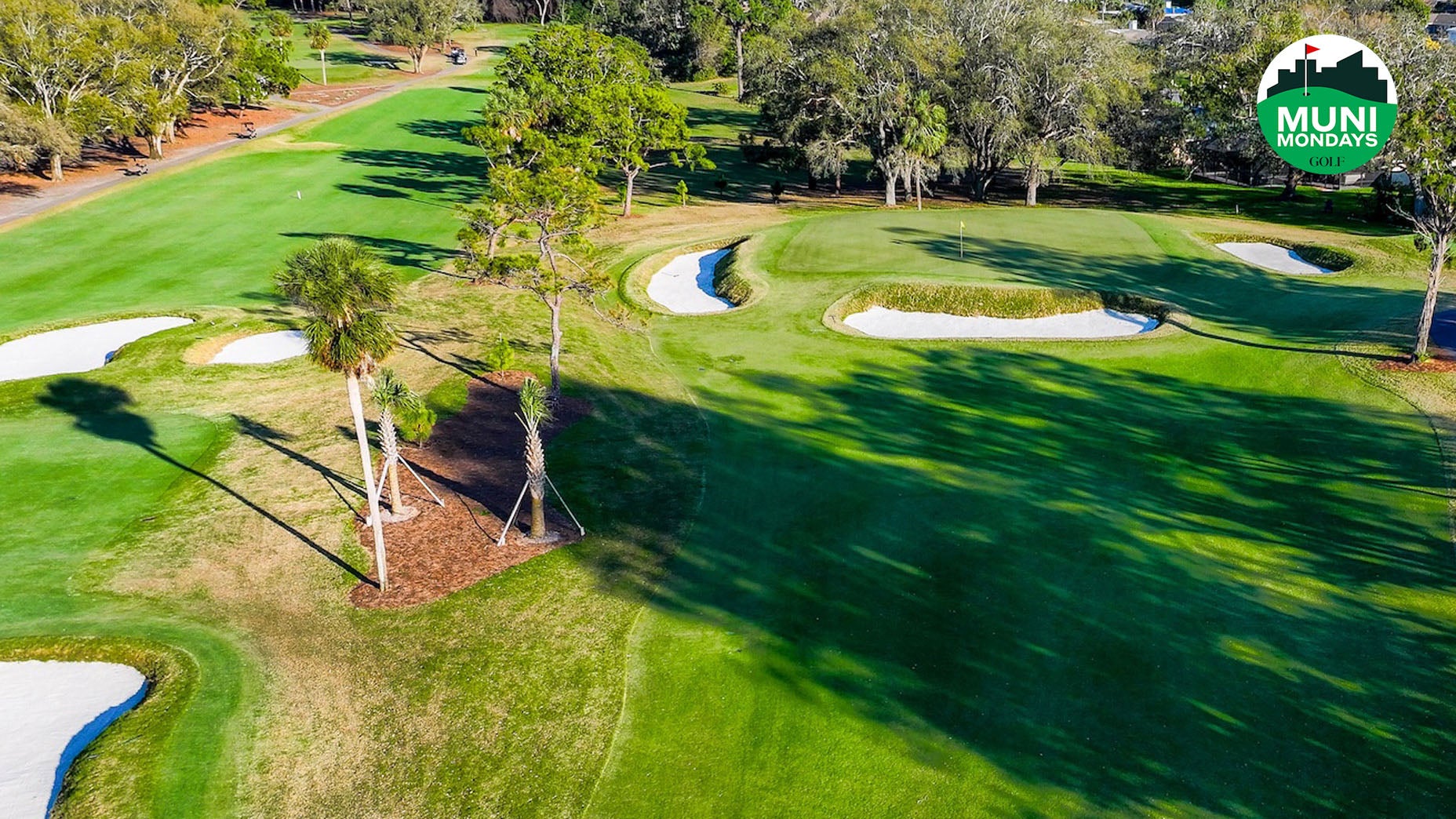
The article traces the unlikely arc of Dunedin Golf Club, a Donald Ross design on Florida’s Gulf Coast, just north of Tampa, born in the boom years of the 1920s, humbled by the Depression and reborn as a municipal course long before “muni” became a bootstrapping badge of honor. Along the way, it served as the PGA of America’s headquarters, hosted 18 straight Senior PGA Championships and was listed on the National Register of Historic Places, even as it drifted from its Golden Age roots.
You can probably see where this is headed. Earlier this year, a $6 million restoration of Dunedin was completed. Overseen by Ross expert Kris Spence, the work peeled back layers to reveal Ross’s original greens, routing and strategic intent, returning the course to its century-old self. With its revival, Dunedin joined a short list of top-flight, rejuvenated Florida munis that includes Winter Park in Orlando and The Park at West Palm Beach.
That’s more like it, our audience seemed to say. If the story resonated with them, the green fees probably did, too. They start at under $100.