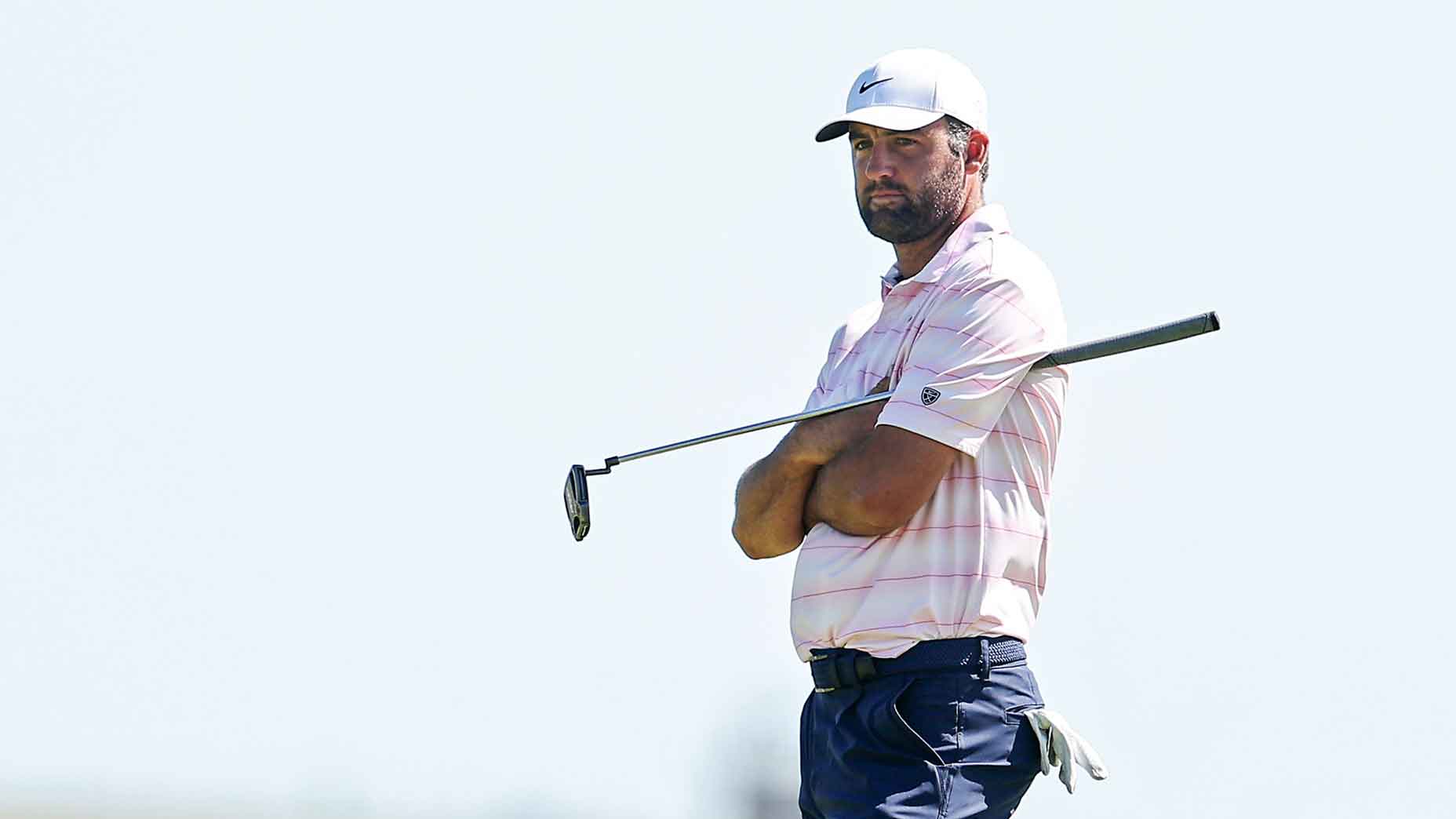
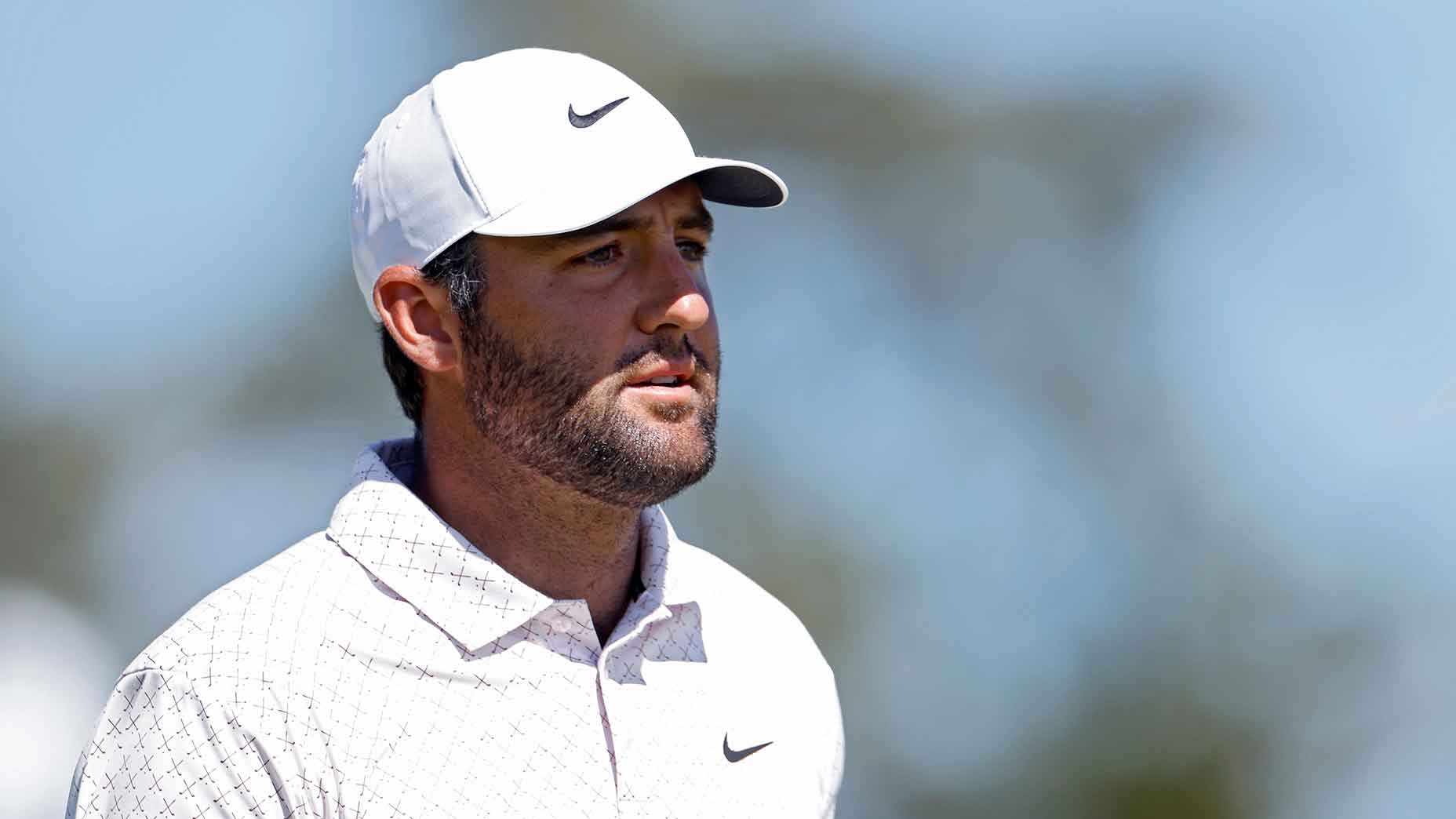
Scottie Scheffler has heard the GOAT comparisons, and to put it charitably, he is not interested.
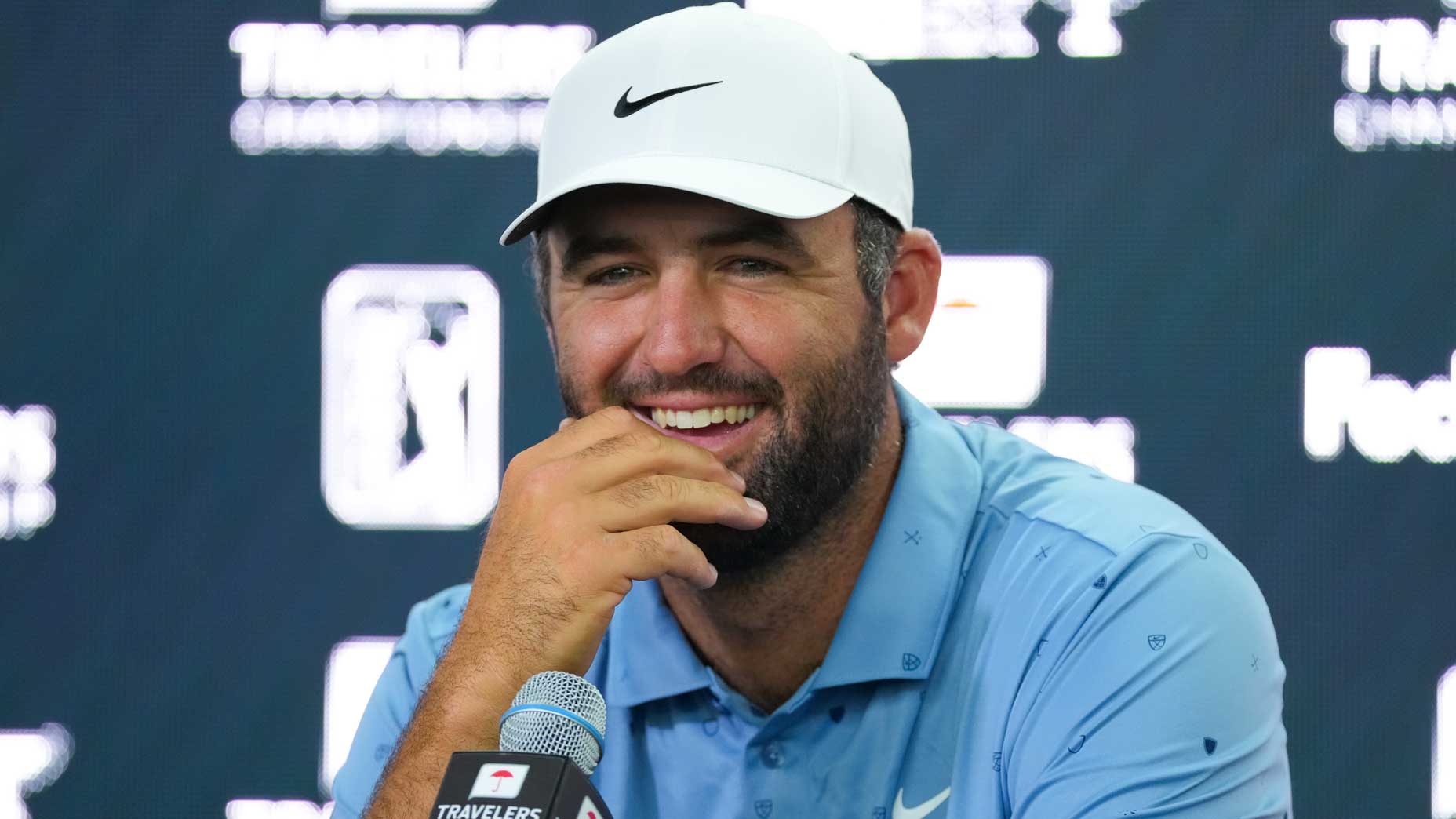
“I still think they’re a bit silly,” Scheffler said just a few weeks ago from the podium at the Open Championship, just minutes removed from his fourth major championship title. “I think Tiger stands alone in the game of golf. He was inspirational for me growing up. He was a very, very talented guy, and he was a special person to be able to be as good as he was at the game of golf. But I don’t focus on that kind of stuff.”
But perhaps the problem all along was clerical. We were wrong to compare Scheffler to Woods, because we had the wrong GOAT.
On Wednesday morning, Tom Brady sent out the latest edition of his 199 newsletter — a weekly send distilling some of the (football) GOAT’s lessons on leadership, success, business and life. Most weeks, the newsletter reads like many other newsletters from successful athletes and businessmen, which is to say it tracks in pithy (if unrealistic) cliches. But on Wednesday, Brady’s interest was piqued by a topic he knew in striking specificity: Scheffler’s struggles with purpose.
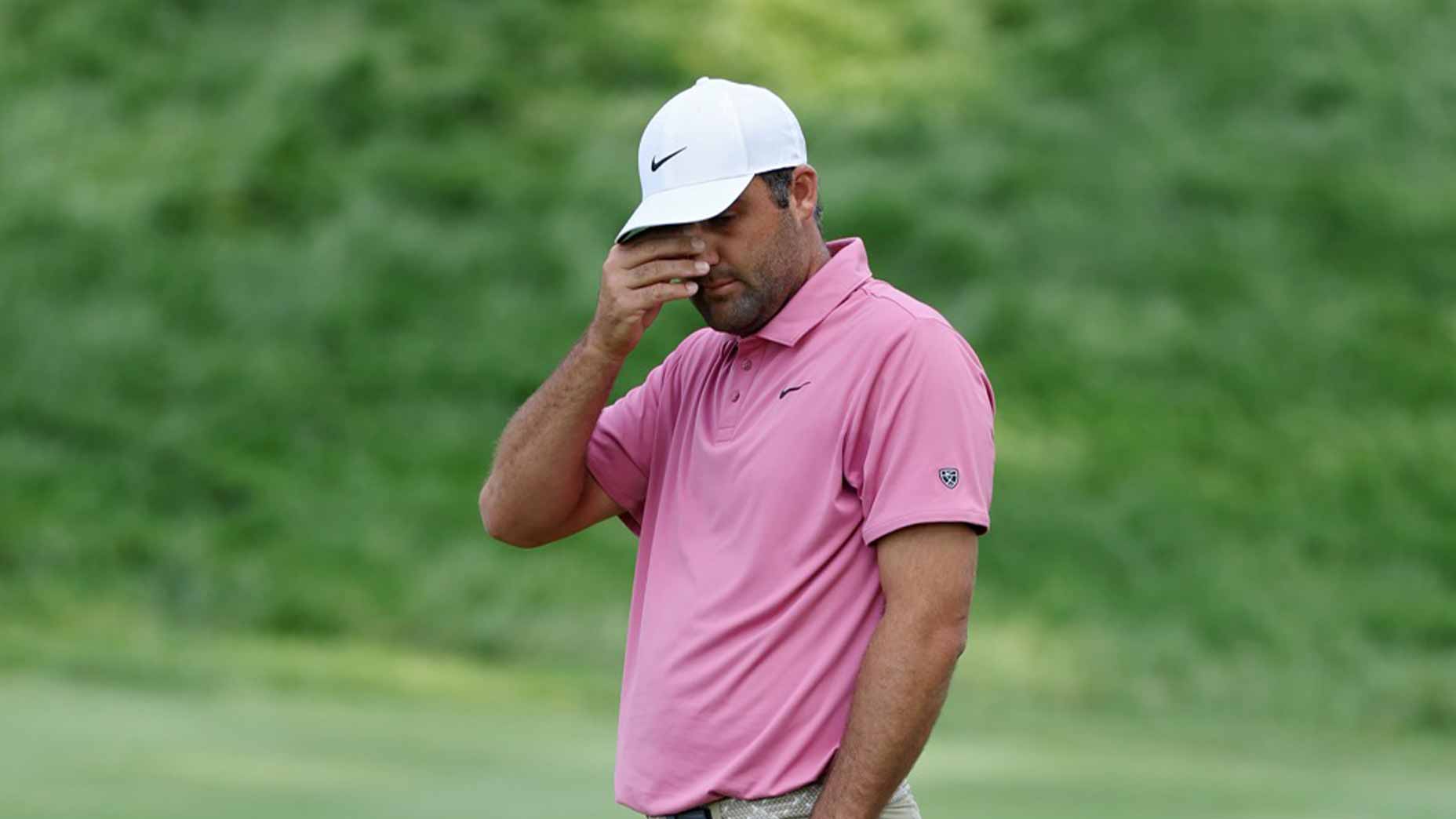
If you are a golf fan who spent the final major of the season under a rock, a quick recap: On Tuesday of Open week, Scheffler answered an innocuous question about the length of his celebrations with a stunning, lengthy answer about the meaning of life, the fleeting nature of his success, and the dissonance between fame and happiness. As it related to his success on the course, Scheffler’s answer could be summarized in three of his own words: “What’s the point?”
Brady was struck by this answer when he heard it, not the least bit because he’d once delivered it himself, in an interview with 60 Minutes, shortly after winning his third Super Bowl in four years. As Brady explained in his newsletter entry, he was around Scheffler’s age when he first glimpsed the professional mountaintop — and he was around Scheffler’s age when he came to a similar realization: Even the greatest professional achievements were not enough to provide him with lasting fulfillment.
For Brady, the years that followed this realization led to the true creation of the GOAT. In his telling, learning what didn’t bring lasting happiness allowed him to find the things that did: His family, his health, and his process.
Brady would spent the rest of his professional career attempting to master the ways in which those priorities overlapped to bring him fulfillment — a pursuit that led to the creation of the uber-obsessive TB12 method, but that also resulted in a strictly managed private life, and an impressive amount of introspection.
As he reflected upon Scheffler’s answer, Brady could see some of his younger self in the World No. 1. He knew how it felt to reach tremendous achievement but only momentary satisfaction. He knew how it felt to struggle with prioritizing the things that matter, the things that feel like they matter, and the things that don’t. Mostly, though, he knew how it felt to see the mountaintop and recognize it wasn’t that way.
“That is the question it seems Scottie Scheffler is wrestling with: Do I have my priorities straight?” Brady wrote. “But I think figuring out that answer is fairly straightforward.”
“When the priority is to take care of your mental and physical health, which is No. 1 always, that’s what you do,” Brady said. “First you take care of yourself, then your partner, then your kids, and so on. When the priority is to take care of your career, whether it’s a three-week training camp or four rounds of major championship golf, that’s what you do. When it’s time to get to work, work becomes the priority.”
According to Brady, the real challenge facing Scheffler was not learning his priorities, but learning when they were his priorities.
“Scottie said he’d rather be a better father and husband than a good golfer. And my question is: why are those mutually exclusive?” Brady wrote. “Sure, they’re different blocks on the pyramid, but they’re part of the same pyramid. They’re connected! The trick is recognizing which aspect of your life is most pressing, from moment to moment, and then learning how to prioritize what it takes to be great in that aspect when it matters.”
From his perch on football’s Mount Rushmore, Brady could easily identify the trait that made him the GOAT. It had nothing to do with dominance or ability, and everything to do with the small moments that preempted it. Scheffler touched on that some on Sunday at the Open Championship, referencing the lifetime of work that birthed his moment of achievement. Bryson DeChambeau referenced it too, recalling facing off against Scheffler as a kid in Texas “…and he was not this good.”
Brady knows the obsession that brought Scheffler from goodness to greatness. And he knows there a deeper meaning inherent within it — just not the kind that can be found in the two minutes after winning a major championship.
“It was the pursuit of excellence where I found the most joy, not in the achievements themselves,” Brady wrote. “It was the process, not the outcome.”
Back in his playing days, Brady used to say his favorite Super Bowl ring was “the next one.”
There was truth in that answer. But much more importantly, there was purpose.