This content was first published in Golf Journal, a quarterly print publication exclusively for USGA Members. To be among the first to receive Golf Journal and to learn how you can ensure a strong future for the game, become a USGA Member today!
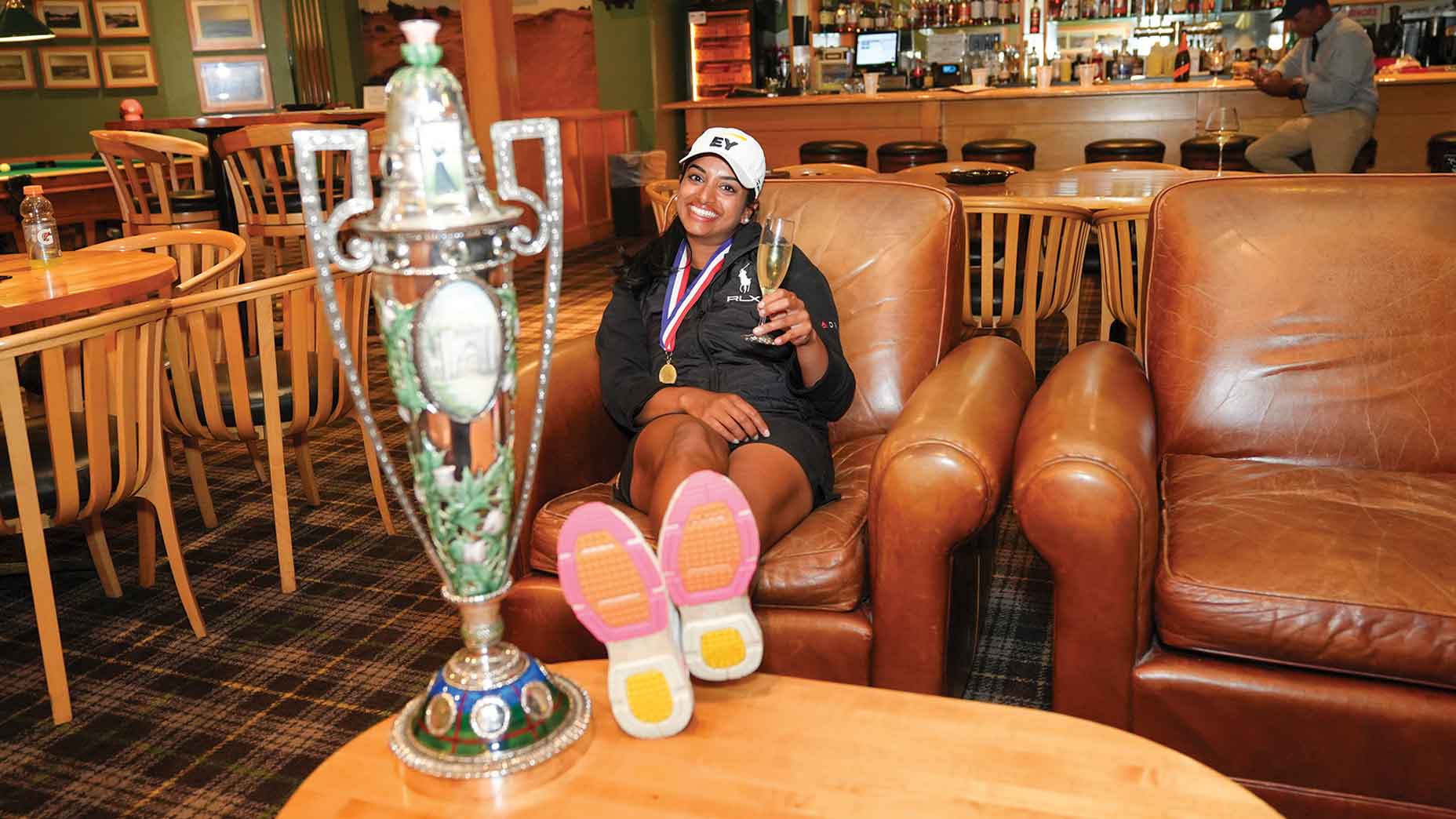
I’m lucky to have had some big moments on the golf course. Like the U.S. Women’s Open when I was 17 years old, playing with Lexi Thompson in the final group at The Olympic Club. Winning both of my matches for Stanford when we won the NCAAs in 2024. Playing on our dominant USA Curtis Cup Team. And, of course, winning the U.S. Women’s Amateur this summer.
Those moments are what I play golf for. I love the opportunity to showcase what I can do.
Before I craved competition, I loved golf because it was a way to spend time with my dad. He took me to the driving range a lot when I was a kid. My mom wanted to get me out of the house — she was studying to become a physician, and having a 7-year-old running around wasn’t ideal for that.
Where I grew up in New Jersey had a lot of golf programming for young kids. My parents signed me up for LPGA*USGA Girls Golf and First Tee, which made me love golf even more. Anytime you’re around other kids playing golf, it’s way more fun than doing it alone. It can be pretty lonely unless you find friends to play with, but the way I got to do it, golf never felt lonely.
As I got older, I started playing in tournaments. I was competitive in anything that I did, but golf came more naturally to me, so I veered toward that. I love the way golf forces you to push your own limits. I love how it asks you to raise the bar for yourself. And I love the chase of trying to get as good as you possibly can, when you know you can never perfect it.
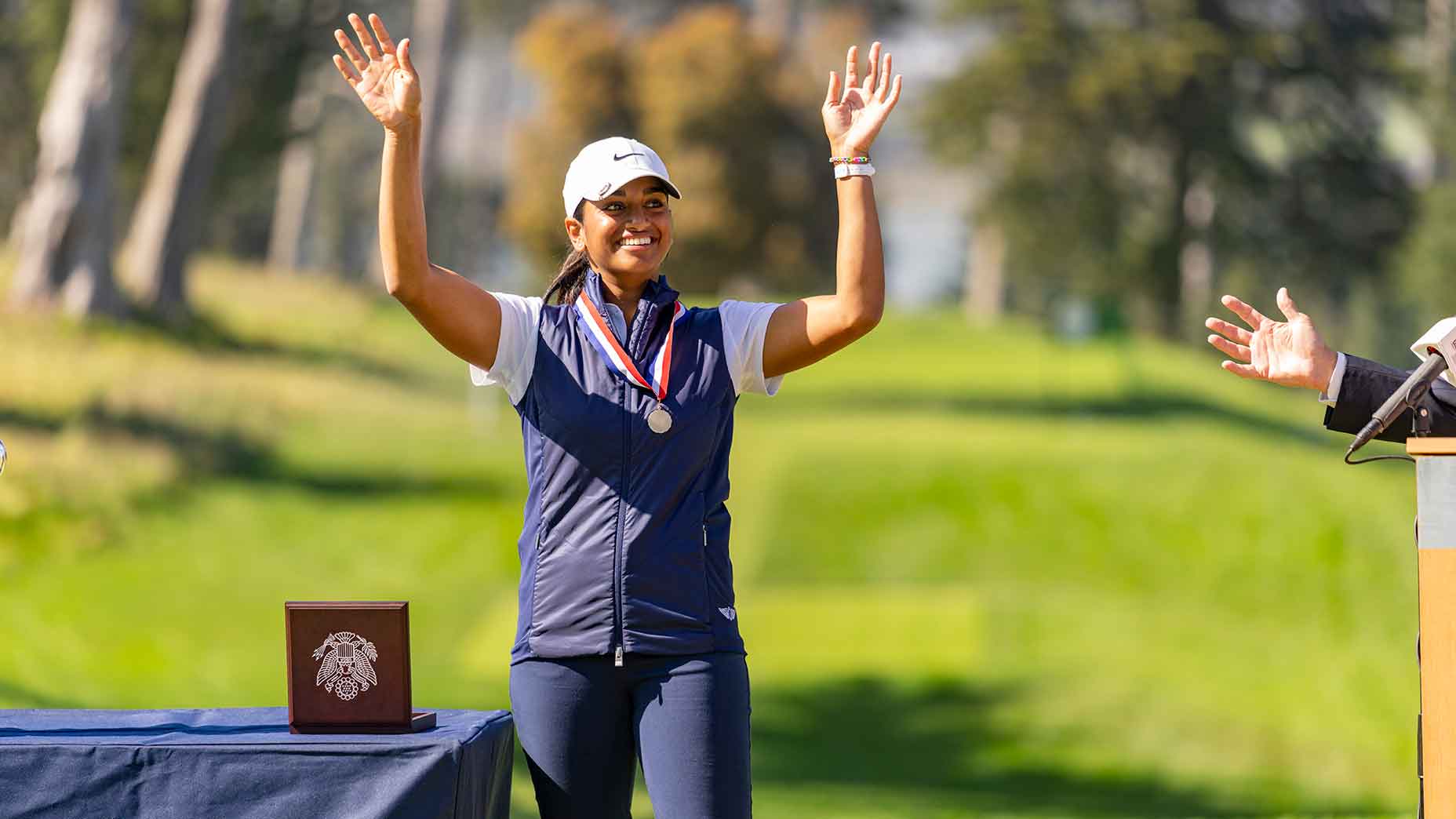
In 2015, I qualified for the Drive, Chip and Putt National Finals. Going to Augusta National for the first time with my family will always stand out; that’s where I fell in love with competing on a national stage. Being exposed to this when I was just 11 was such a gift. It was also some of the most pressure I’ve ever felt. I feed off crowds now; it was a lot when I was 11. But I did like the feeling of having to rise to the occasion.
I started working with Katie Rudolph when I was 12, and she’s still my coach today. Every summer, she ran a golf camp. It was pretty intense: Work out in the mornings, run a few miles, then go play anywhere from 18 to 36 holes. I just loved it. There’s nothing I’d rather do than spend my whole day at the golf course. I started playing in American Junior Golf Association tournaments, and when I was 13 years old I qualified for the U.S. Women’s Amateur for the first time.
The U.S. Women’s Amateur is so hard to win. I’ve played it seven times. The nature of match play is that it’s surprising. Every year, so many great players don’t necessarily advance as you’d expect. To make it to the championship match, a lot has to go right. I’ve learned that the transition from stroke play to the Round of 64 is sometimes the most difficult. You’re totally switching mindsets, and if you don’t hit reset you’re in trouble. Playing great the first two days can be hard because you enter match play thinking you have a leg up, but the truth of the matter is, you don’t.
This year at Bandon Dunes, I tried to make that mental switch to match play before stroke play even started by totally detaching from the result of stroke play. It’s easier said than done. But I went in with the thought that the first two days don’t really matter as long as you’re within the cut line.
I was T10 after stroke play. After I won my first match, I settled in well. The links-style course suited my game. I’m comfortable hitting a knockdown and working the ball both ways, under the wind. That gave me an edge. I thought about that trophy all day during the 36-hole final. To hold it at the end of the match was a dream come true.
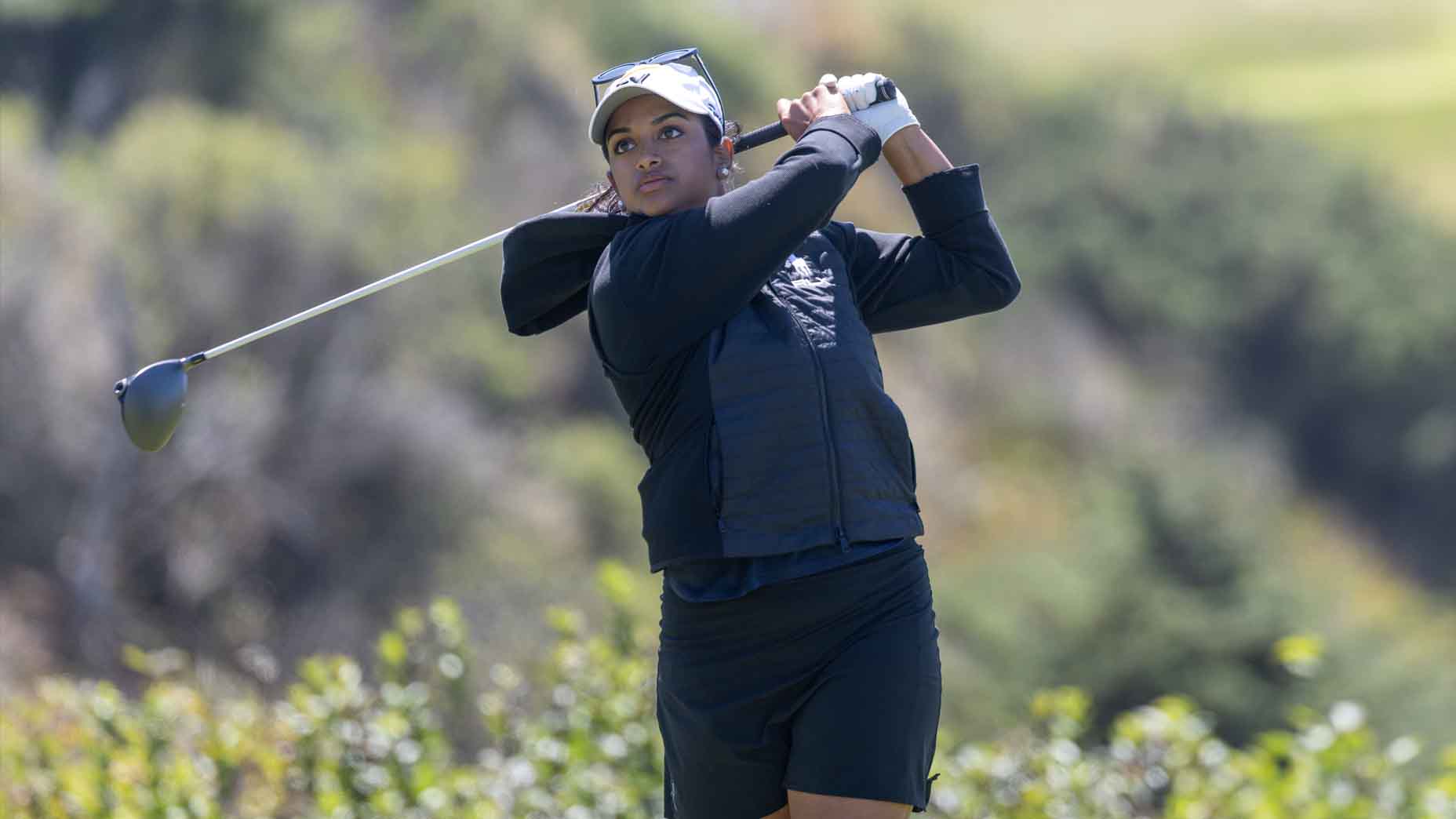
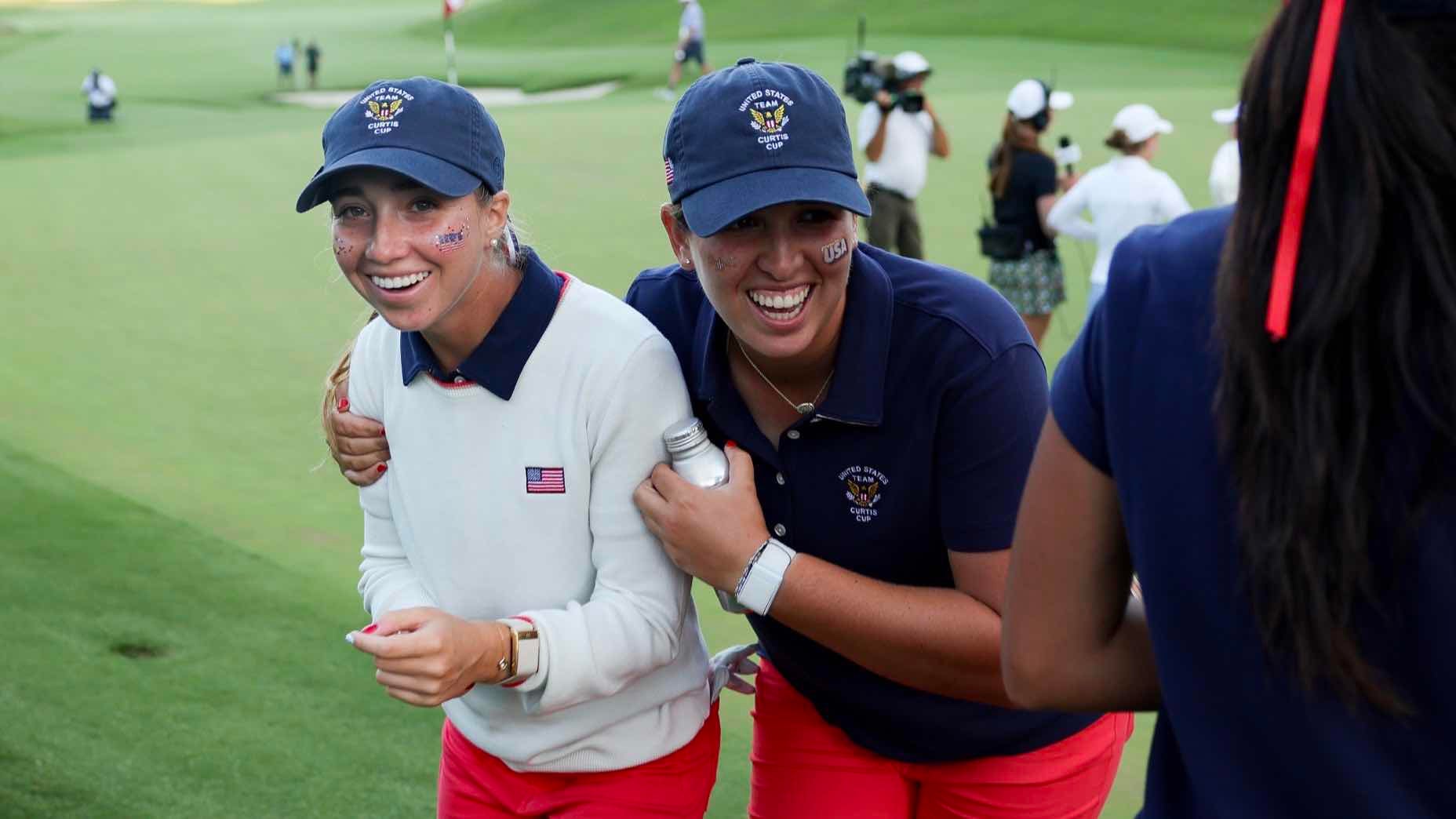
This fall, I played in the Women’s World Amateur Team Championship in Singapore. I love traveling and seeing new places, and I love team events. And we won! Playing for your country is one of the coolest things you can do as an athlete, like when I played on the Curtis Cup Team at Merion in 2022. Being on a team with people you usually play against, you’re able to acknowledge and respect each other. That dynamic is very special because it’s so rare.
I was partners with Amari Avery for the Curtis Cup and at the Junior Solheim Cup. We were victorious each time. There’s so much adrenaline and fun and getting hyped up for each other. She’s a very close friend of mine, and we’ll both cherish those matches for the rest of our lives.
And yet, the most important moments of my career aren’t the ones that get talked about. They’re the low points. They’re in the weeks that you feel like a failure from a bad tournament or you had a huge goal and just came up short of it. They test your self-belief, like when I missed a few cuts at the Augusta National Women’s Amateur. I’ve learned I can bounce back. That resilience is what’s important. I let myself feel how much it sucks to not play well, I talk to my circle of people, my close friends, my parents, my coach. As soon as I get the moaning and groaning out of my system, I find what I’m missing, and then I go and tackle it.
I’m in my last year at Stanford. My game has evolved during my time here. I was used to taking a three- or four-month break every winter, so getting to play year-round was new to me. The facilities are incredible. Everything you could need is right here. I’ve grown a lot from the atmosphere at Stanford, too, because you’re surrounded by high achievers. The environment makes you fall even more in love with your own craft. You feel pressure in a good way to delve into your own lane harder because you’re so uplifted and inspired by what everyone else is doing.
I’ve also honed my greatest strength — my mentality. I’m very emotionally detached from my results, good or bad. Like winning the U.S. Women’s Amateur: It was the best thing ever, it was a dream come true, a goal realized, but if I hadn’t won it, my month after would’ve looked pretty similar. I care so much about getting better and doing the things I need to do to put myself in a position to play well, but if I go out there and shoot a bad score, I don’t let it bother me because it doesn’t feel like my whole life. That mindset gives you the freedom to play really well and it gives you the freedom to play really badly. I have no fear of playing poorly. That’s an asset.
I’m emotionally attached to giving it my all. If I go into a tournament feeling unprepared, if there’s a shot that I haven’t worked on enough to be able to comfortably hit it in a tournament, that bothers me most. Everything I do before I show up to a tournament, that’s what I’m emotionally attached to.
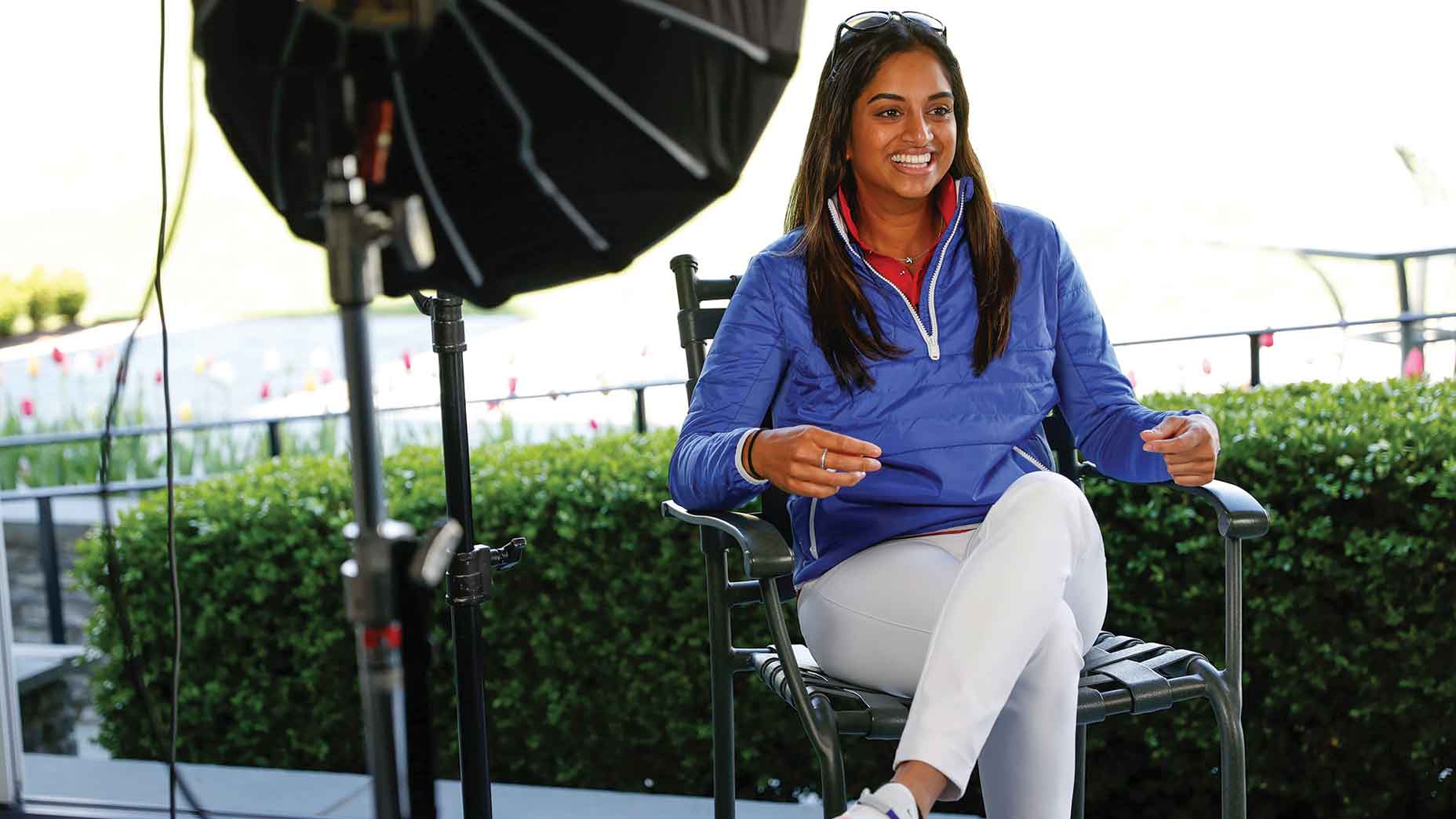
Heading into my final season at Stanford, I’m really happy. I’ve never been tempted to turn pro early. I’ve gotten pretty much everything I could have asked for out of Stanford golf. We have a national championship; I would love to win another, but I’ve lived every day to the fullest that I’ve been at Stanford, so if it were all over right now, I’d be satisfied. I’m in a good place, where I will definitely enjoy this year, but I’m also looking forward to the next step.
Turning pro is in the back of my mind. There are a lot of logistics, like what you’ll play and where you’ll play. But you have to be flexible in this process. I’m just doing what I can to be as prepared as possible. I would put my best golf game out there against anybody. But I think the challenge of taking that next step isn’t fully about where your peak is or your potential. It’s raising that floor where you have enough endurance to play year-round golf that’s solid and taking care of your body and managing your fatigue so that you can be there week after week. I think the stuff the casual observer doesn’t see becomes the hardest part.