Golfers have been told for ages to “keep your head down” through impact. It’s one of the most common pieces of swing advice in the game. But according to GOLFTEC Director of Teaching Quality Josh Troyer, it’s also one of the most damaging.
“The problem with ‘keep your head down’ is that it physically restricts what your body needs to do to create speed,” Troyer says.
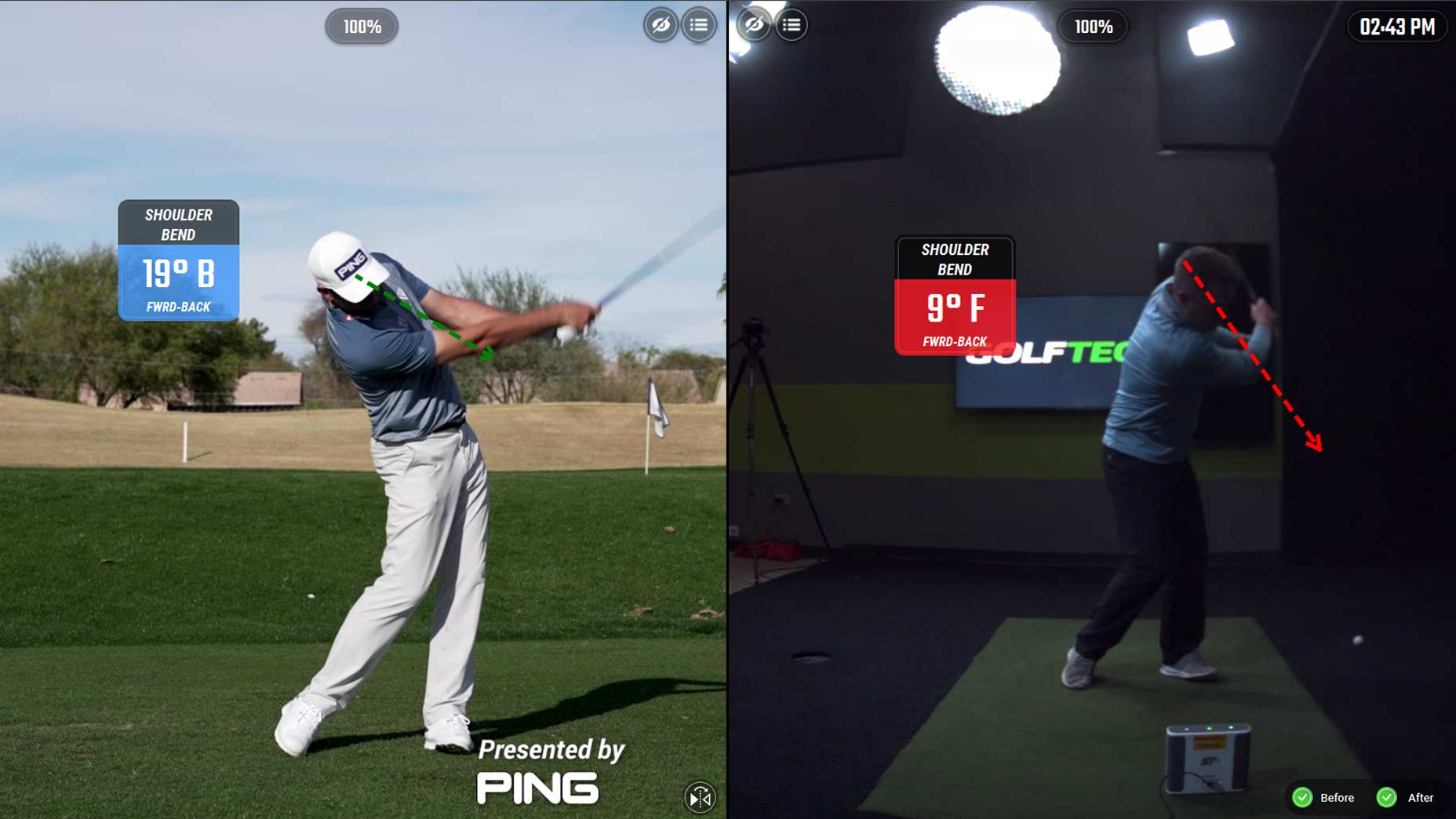
When golfers interpret the phrase literally, they tend to lock their head and eyes down on the ball throughout the swing. That may feel disciplined, but it comes at a cost. Limiting the movement of your head restricts shoulder rotation and makes it extremely difficult for the chest to extend upward through impact — two movements that are essential for powerful, consistent ball striking.
“If you try to look straight down at the ground and then point your chest up toward the sky, it’s uncomfortable and hard to do,” he says. “Now imagine trying to do that at full speed with a golf club in your hands.”
That’s exactly what many amateurs are attempting. They’re keeping their head down while trying to create upward chest extension, and the body simply can’t move that way very easily. The result is restricted rotation, reduced speed and weaker contact.
“The best golfers in the world allow their head to turn and their neck to tilt slightly to the right,” Troyer says. “A better piece of advice is actually to follow the ball with your head, not keep your head down.”
By allowing the head to rotate naturally, the shoulders can turn more freely, the spine can extend properly, and the chest can move upward through impact. These movements make it easier to generate speed and strike the ball solidly without feeling forced or restricted.
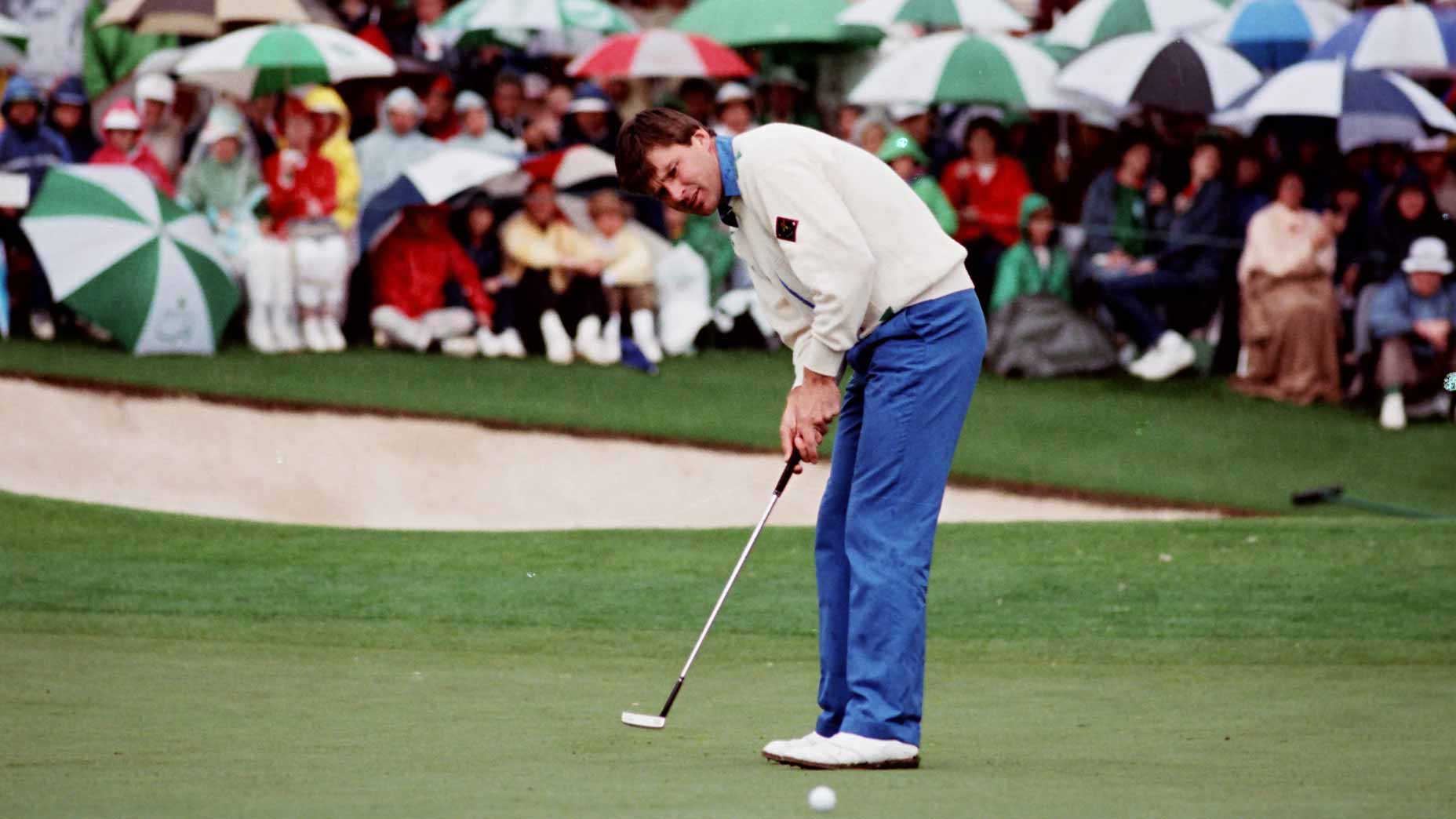
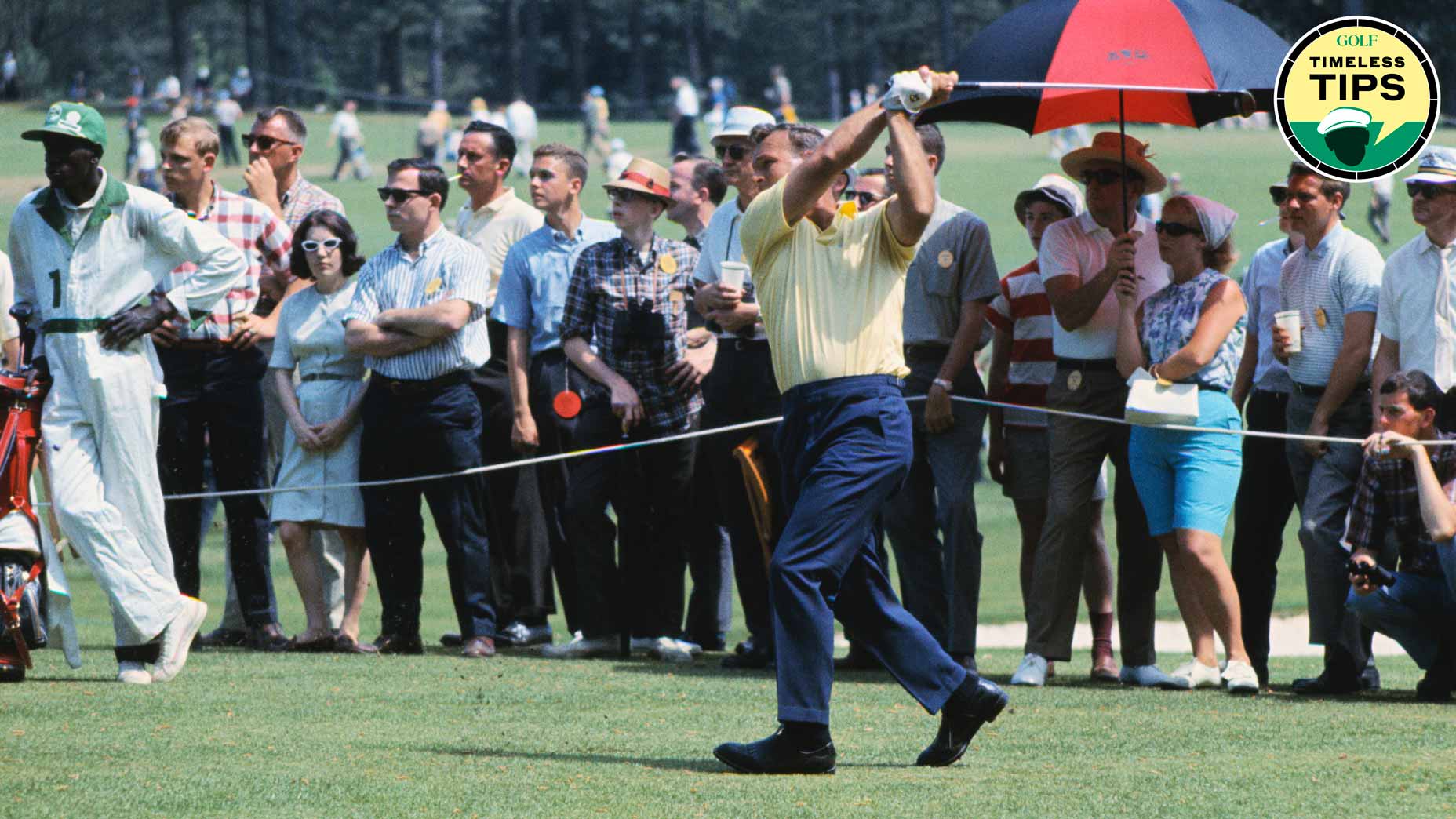
One thing you’ll never see, Troyer says, is a Tour player frozen over the ball after impact.
“You’re not going to see a professional hit a shot with their head still looking down where the ball was,” he says.
If you want proof, Troyer suggests watching high-level players in slow motion. Dustin Johnson is a great example.
“By the time the club reaches the ball, his head is already starting to move down the range,” Troyer says.
An easy checkpoint for golfers watching swings is the brim of the hat.
“It’s never firmly pointed straight down at impact,” Troyer says. “It’s always moving toward the target, following where the ball is going.”
So if you’re struggling with distance or feel stuck and restricted through impact, the fix may be simpler than you think. Stop trying to keep your head down and start letting it move naturally with the swing.
If you want to learn how to correctly keep your head moving during the swing, book a swing evaluation with GOLFTEC below.