Ping knows the best wedge shots are the ones that launch low and land with control and spin on the green.
So with the new S259 wedges, Ping aimed to make those shots easier to hit more often, without changing much of what Ping wedges have been known for, from the Glide series to the S159.
“S259 is the continuation of our wedge line,” Ping Director of Product Design Ryan Stokke told GOLF. “What’s really important for us when you talk about wedges and relative to Ping is we just want to be an extremely trustworthy OEM in the wedge space. I think when you look at someone getting to a spot where they have a relationship with the product and they have trust with that product, it really builds over time.”
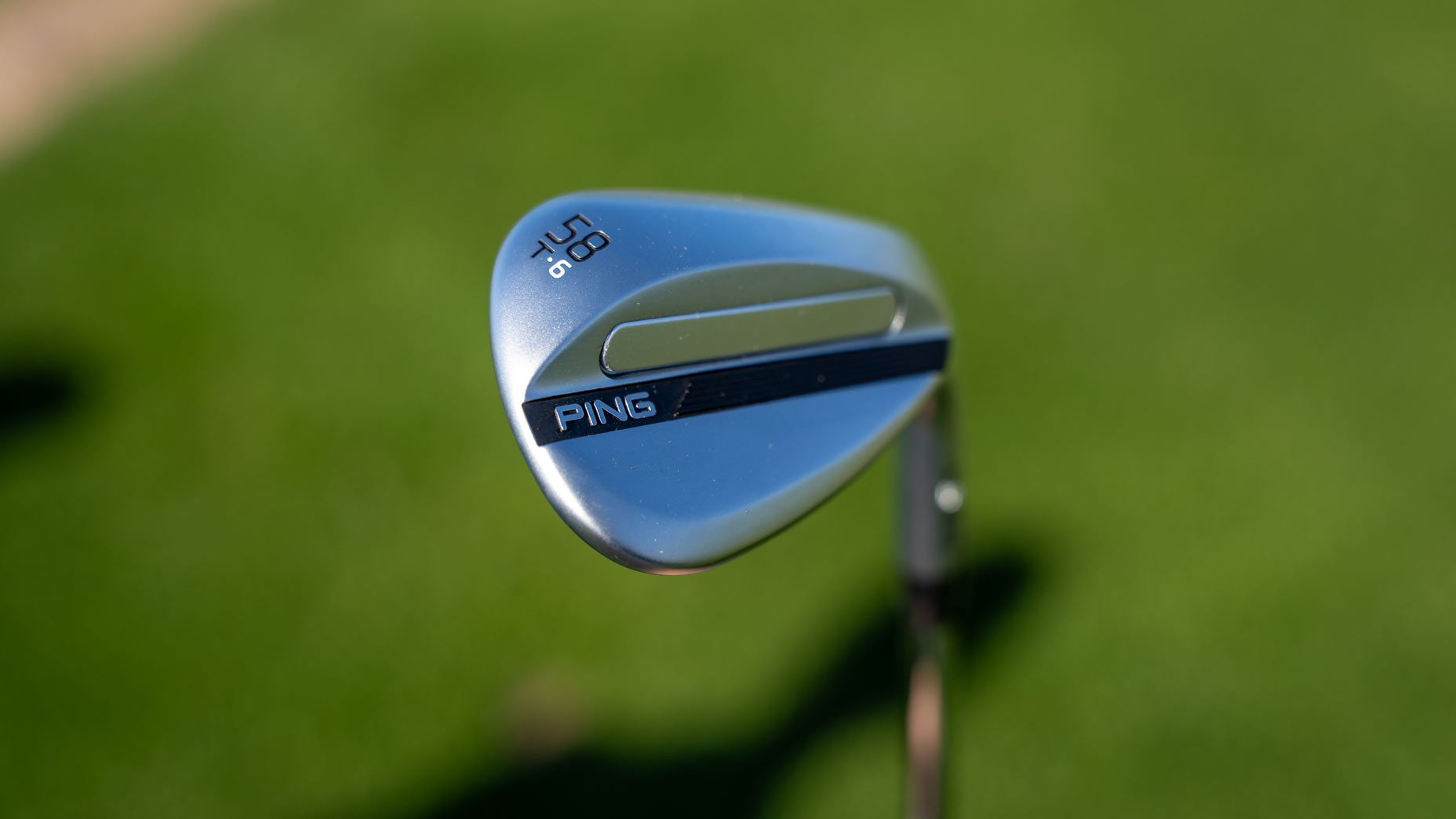
The S259s feature a new face blast technology to increase spin, refined shaping to frame the ball better and let players feel like they will “capture” it to flight it low, and a larger elastomer insert to improve feel.
Many PGA Tour pros quickly made the switch to the new wedges last fall.
Keep reading below for more on Ping S259 wedges, including my take on the release.
What’s actually new with Ping S259 wedges — and why you should care
Trying to “capture” the ball
In taking Tour player feedback, Ping adjusted the shaping of the S259 to give you more confidence at address by feeling like you’re going to “capture” the ball.
No one likes wedge shots that hit high on the face and roll up, launching high with no spin. Not only is that bad for predictability and control, but it’s also very displeasing to feel.

To help offer the feeling that players will cover the ball better and launch it lower, Ping shallowed the heel section of the head to give the appearance of a higher toe and tapered the hosel slightly down toward the face.
This also gives the appearance that the leading edge sits lower to the ground.
“We talk about capture in the way that it holds the position, the ball relative to the head, but then it actually is a verb and one that makes the actual feeling that the player can capture the ball, hit a little bit of a shot that’s knocked down in flight, and a lower flight with higher spin,” Stokke said.
There was also a subtle change to the bottom groove, taking it from 3/4 length back to full length. That change also came from Tour staffers who said the full-length bottom groove helps them square the club and let them use the head shaping to open up the club.
The face as a spin system
When it comes to generating spin, S259 wedges feature more than just grooves to generate spin.
Wheel-cut grooves work in tandem with advanced face blast technology to maximize friction at impact and generate more spin.
“We have studied at length for many years, is just the entire system design of how do you design the face, the grooves, the blast, and the finish, the actual finish applied to the club, to get the highest degree of friction, and to get the right performance out of each of the clubs?” Stokke said. “Our competitive edge is our understanding of the sensitivity of how we apply milling to the head, the wheel cut grooves that we use, and the specific geometry, our face friction blast that’s applied onto every single design, and then pairing that with a finish, such that players get very consistent launch and spin conditions from different lie conditions.”
A dual purpose
Perhaps the most notable cosmetic change to the S259 is the 13 percent larger elastomer insert on the back of the wedge.
That insert serves a dual purpose. Firstly, it refines the feel and allows players a peek behind the technology featured in the wedge.

But behind the scenes, Ping has all the different weights of the insert in order to use it as a swing weight mechanism without having to use tungsten plugs or drill into the head.
That’s especially important because Ping offers S259s in two different finishes at retail: the Hydropearl 2.0 Chrome and the darker Midnight QPQ finish.
The Midnight finish is lighter than the Hydropearl finish, but because of the flexibility in the insert weights, Ping can build the clubs to be the same overall. It’s also easier to adjust weights to customer preferences or longer/shorter builds.
The Ping S259 lineup
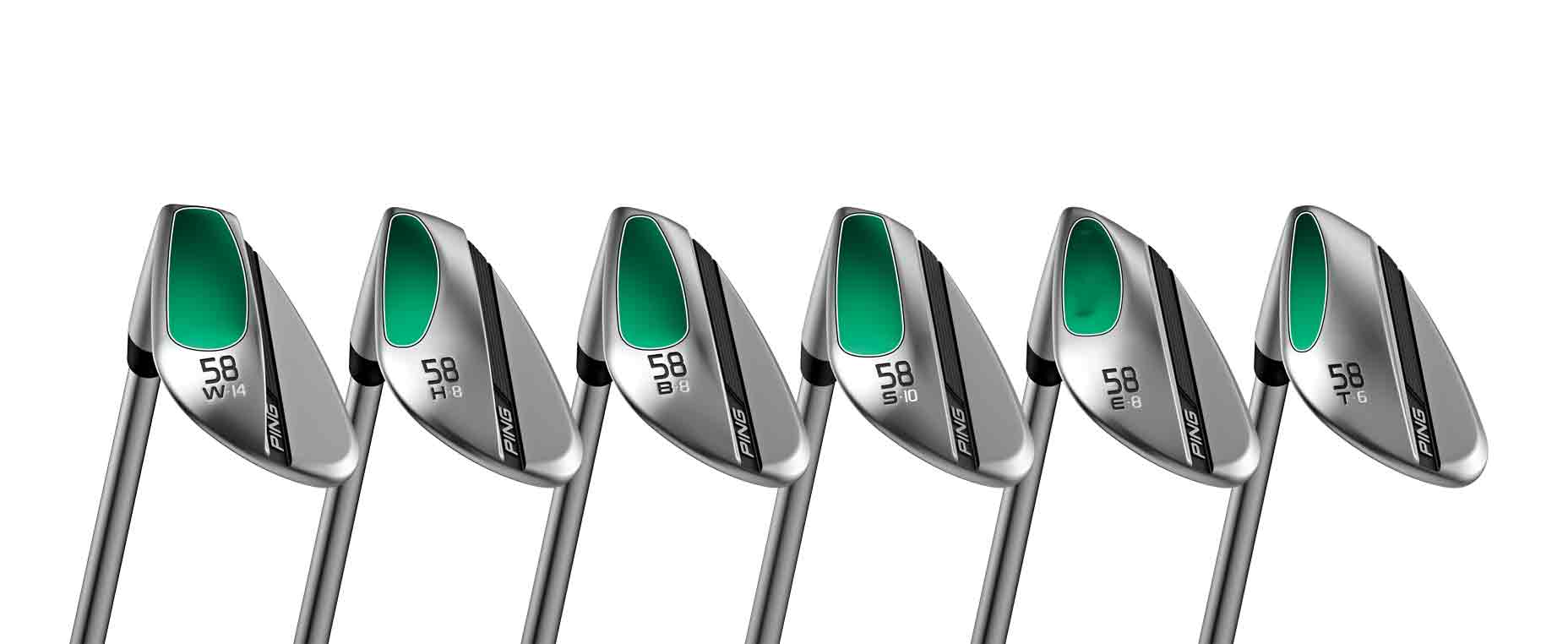
In total, Ping offers six different grinds with 25 unique loft/grind combinations. Four of the grinds are mostly unchanged from the S159, while the E-Grind is now in the same shape as the rest of the line, and the T-grind has steeper trail edge relief. There are also two new gap wedge options (50˚ and 52˚) in the high-bounce W-grind.
S-Grind

What it is: A mid-bounce standard profile grind with some added heel and trail edge relief.
Lofts available: 46°, 48°, 50°, 52°, 54°, 56°, 58°, 60°
Who it’s for: Players with a moderate angle of attack who play mostly square-faced shots, but want a touch of versatility.
H-Grind
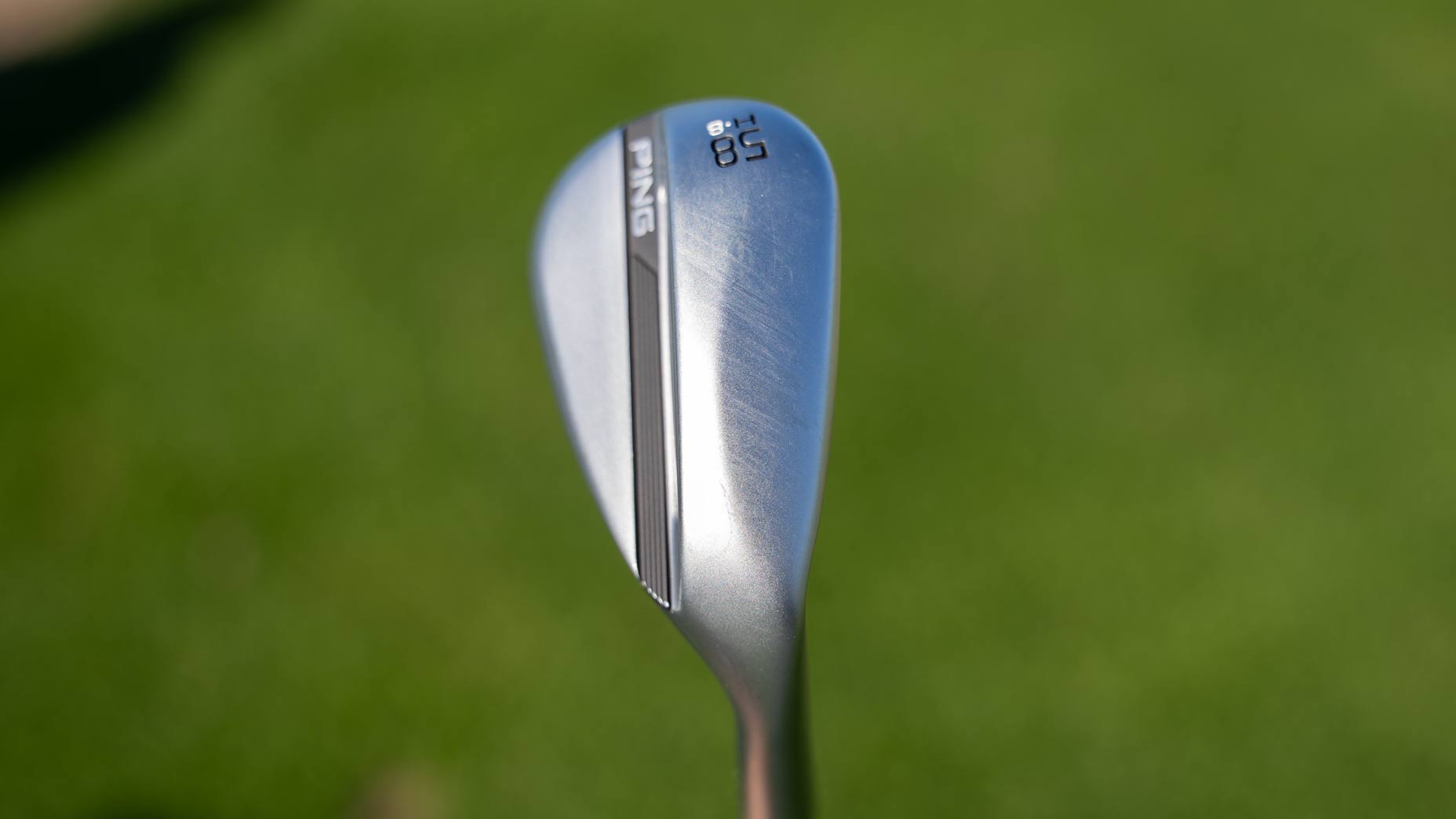
What it is: This is the half-moon sole profile with lots of trail-edge relief.
Lofts available: 54°, 56°, 58°, 60°
Who it’s for: The H-grind is great for a steeper player who likes to play shots from lots of different face positions around the green.
B-Grind

What it is: A low-bounce, but wide-sole option that sits tight to the turf.
Lofts available: 58°, 60°
Who it’s for: A great option for players on firmer turf or shallow players who play mostly square face shots.
T-Grind
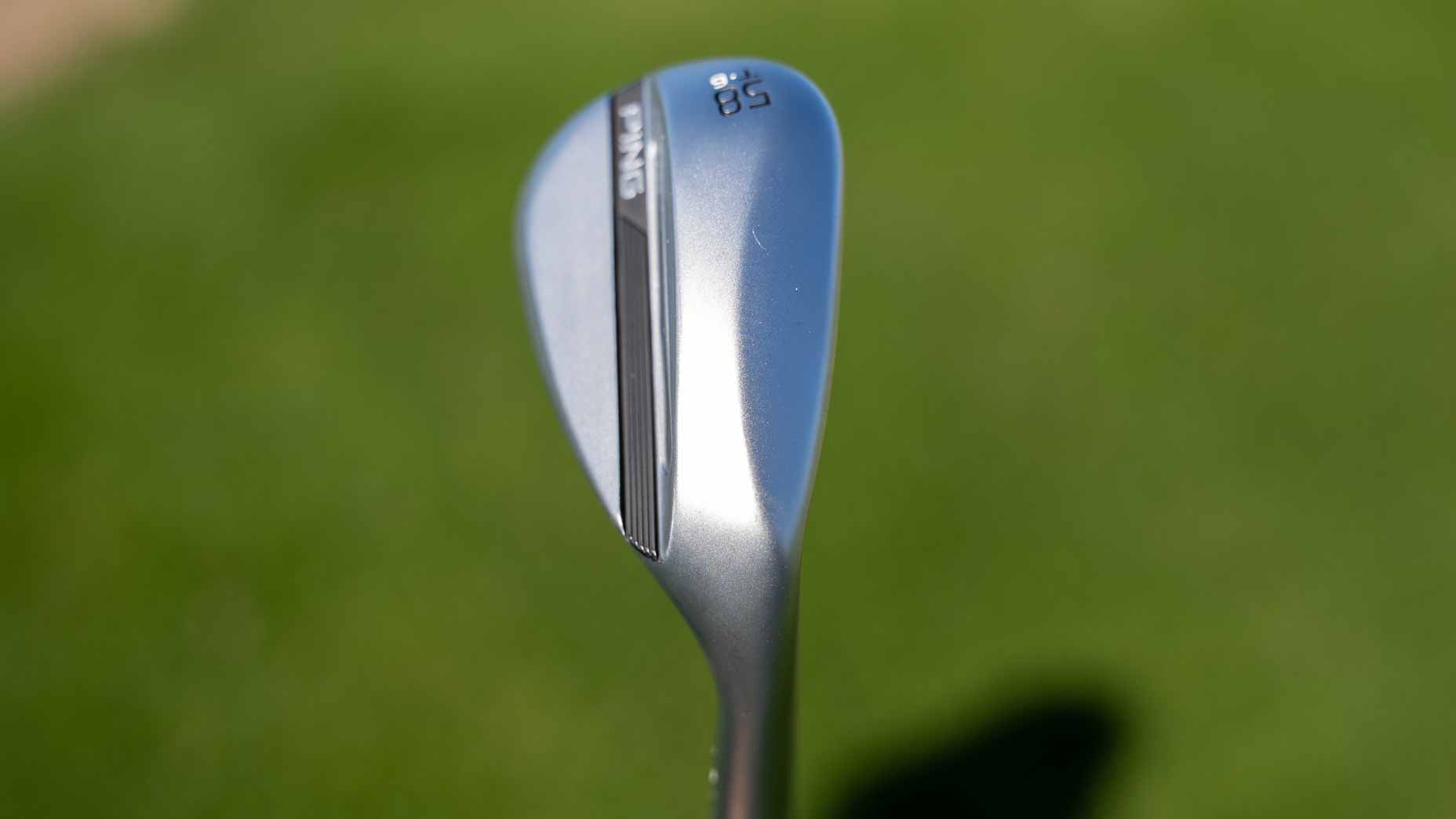
What it is: The lowest bounce option in Ping’s lineup with aggressive trail edge relief (steepened from previous generations) to provide maxium versatility.
Lofts available: 58°, 60°, 62°
Who it’s for: Shallow players who demand maxium versatility.
W-Grind

What it is: A high-bounce, wide-sole option for steeper players who need more forgiveness. New this year are gap wedge options (50°, 52°) that should help players transition directly from game improvement irons like the G440s.
Lofts available: 50°, 52°, 54°, 56°, 58°, 60°
Who it’s for: Steeper players and players who want to match the soles of their short irons to the gap wedge.
E-Grind
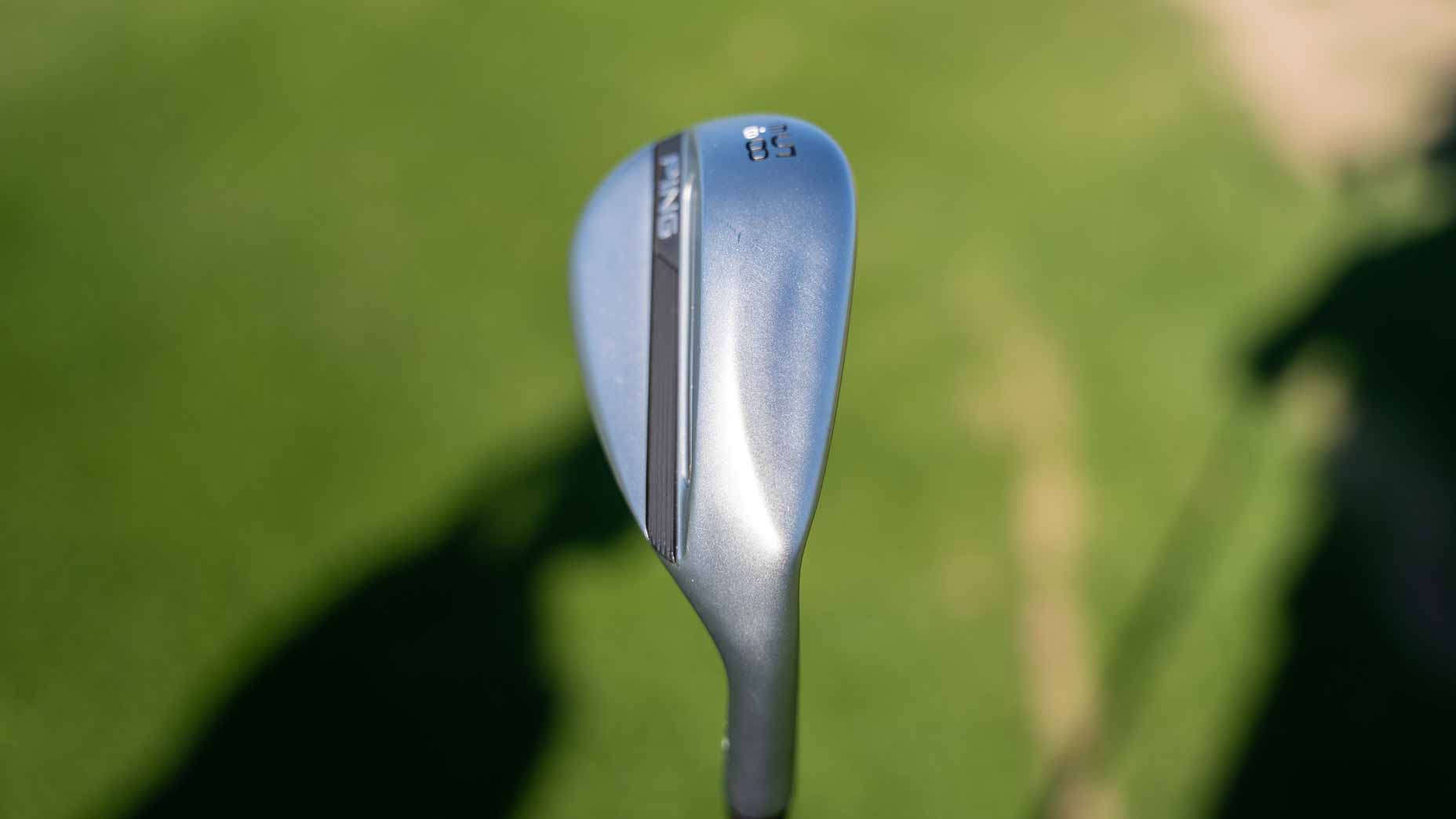
What it is: This grind used to take Ping’s famous Eye-2 shape, but it retains the “dish” in the middle of the sole, allowing it to create high, soft shots from tightly mown lies.
Lofts available: 58°, 60°
Who it’s for: A great option for players who want forgiveness out of the sand, but don’t want to give up control from tight lies.
My take: Focusing on consistency
Ping isn’t trying to wow you with new tech with S259. They knew how popular S159 was and didn’t want to change what players liked about it.
The biggest advancement here is the new shaping, which I found works as intended and gives me a better feeling of covering the ball, something I really struggle with on flighted wedge shots.
Combine that with Ping’s goal of producing consistent spin and the ability to swingweight the wedges using the elastomer insert, and Ping has done a really nice job with S259.
Not to mention, getting fit for Ping wedges is super easy with the updated WebFit Wedge app. Interestingly enough, I plugged my own preferences into the app and got very similar grind recommendations to what I was fit into at the Proving Grounds.
Overall, Ping has taken a successful wedge platform and moved it forward and their loyal following is going to love the changes.
Price and Availability

PING s259 Custom Wedge
View Product
The Ping S259 wedges are available for pre-orders starting Jan. 13 and arrive at retail locations on Jan. 29.
Each wedge will cost $199.
Want to find the best wedges for your bag in 2026? Find a club-fitting location near you at True Spec Golf.