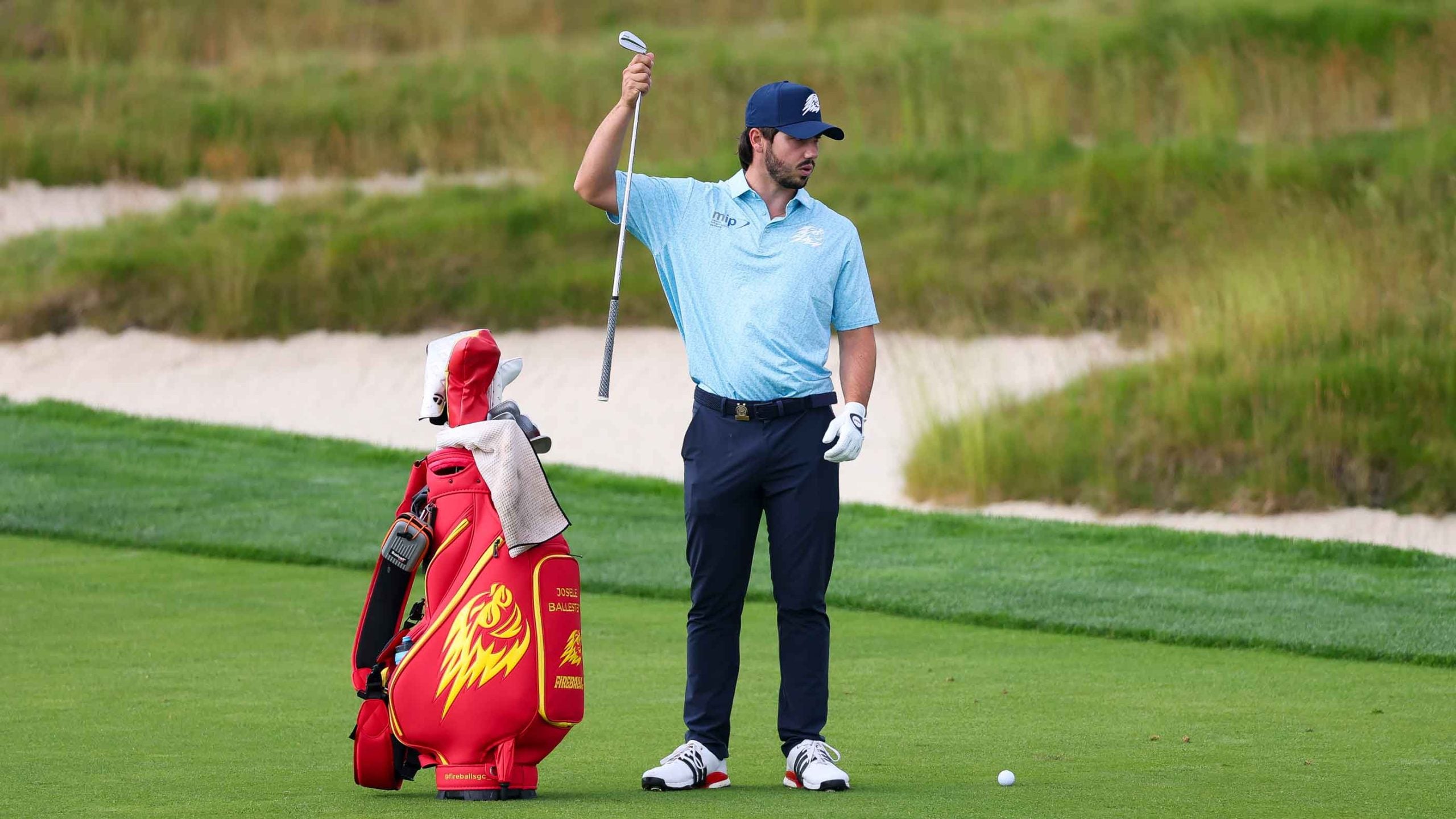
There is definitely something different about Josele Luis Ballester.
Ask anyone around the collegiate game and they’ll tell you the former Arizona State Sun Devil and 2024 U.S. Amateur champion was either the or at the very least among the top two players to come out of college this year. He’s the definition of the modern golfer: athletic, fast (195+ mph with the driver), can overpower any course on the planet — and, yes, he’s young (only 21). The youth surge is real in golf and is becoming more and more like professional tennis. These kids coming outta school are not only ready to win but also typically all have that one thing every golfer desires: speed. Even the slower elite college players possess 170+ mph ball speed. It’s a different game than it was 15 years ago, and Ballester is the prototype example of that.
Fitting someone with Ballester’s speed is no easy task, because his speed comes more from brute strength than technique. In other words, he’s a raw athlete who doesn’t play the tee-it-high-and-hit-up-on-it game; his angle of attack is down, his launch is low and the amount of attention he must pay to his spin is probably more critical than most. Why? At sub-8 degrees of launch and 195 mph+ you need every rotation of spin you can find to keep the ball in the air. Last player I can remember like this was Cameron Champ.
I had a chance to go through Ballester’s bag with Ping’s LIV rep, Spencer Rothluebber, who offered some interesting insight into Ballester’s setup.
JW: When fitting someone with Ballester’s speed and launch conditions, what do you have to stay mindful of?
SR: Iron and wedges wise, not much different than any other player. Metal woods are where it differs. Josele is either level or negative on his attack angle so where your norms on Tour of 12 launch and 2,300 spin would be perfect for most, it’s not enough juice to keep the ball in the air. He’s looking in the 7-8 launch in the 2,700-2,900 RPM range.
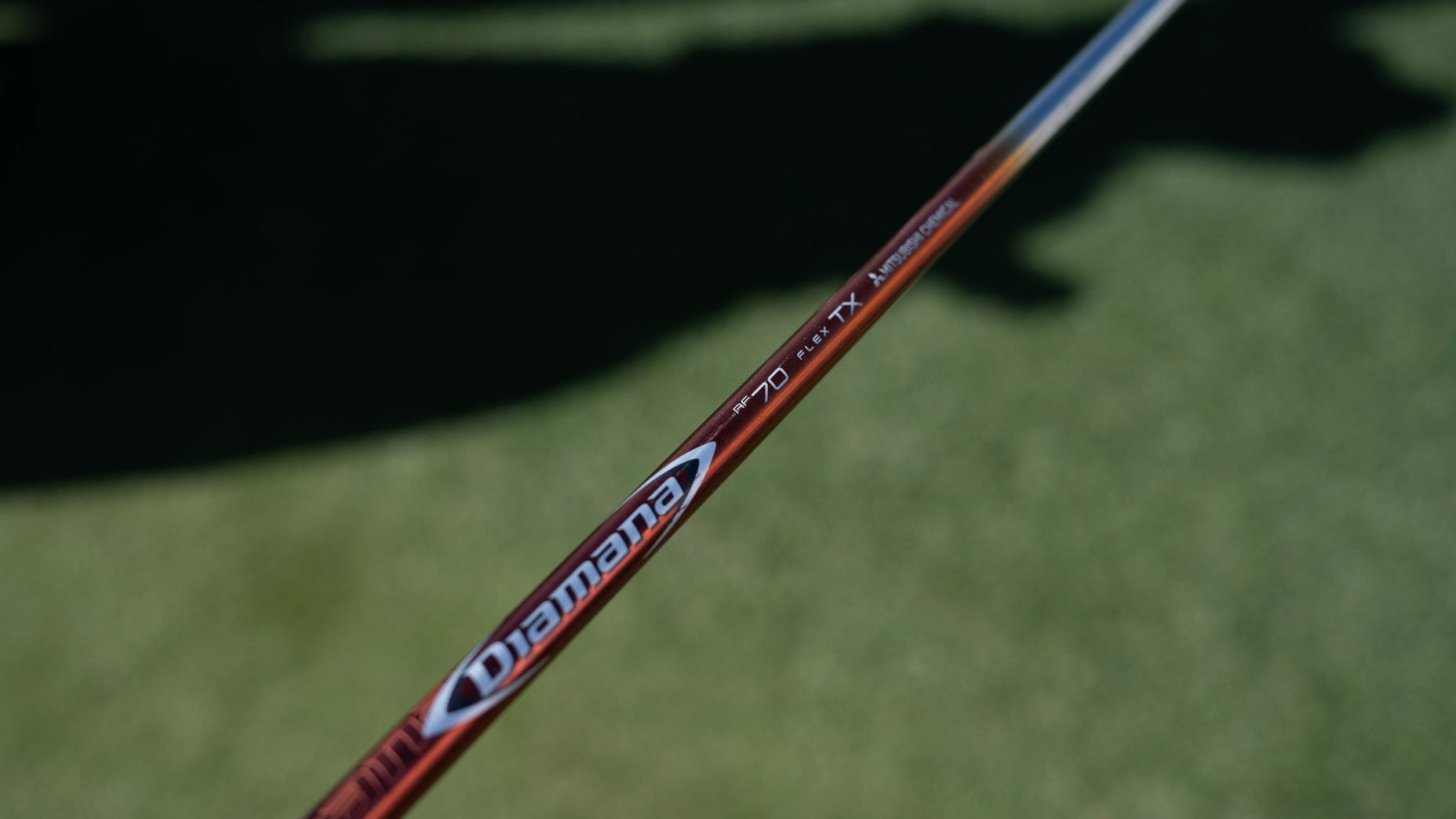
Another unique thing about his setup is he prefers softer feeling shafts. We do this because he doesn’t want to miss shots left and primarily only hits a fade off the tee. A higher lofted driver is also preferred so he can have the feeling of covering the ball, while still being able to launch it. Hence the MCA Diamana RF, which has a stiff handle yet softer tip profile. He plays his driver at D4+, which to some would feel like a rock at the end of a bull whip. Perfect for how he delivers the club. You’ll find a good number of Tour players want an AOA at closer to zero for control and with the proper make-up of loft, CG and shaft, you can re-create optimal launch conditions without having to “swing up” on it. That’s why getting fit is so important.
JW: What did he gain switching from the Ping Crossover driving iron to iDi?
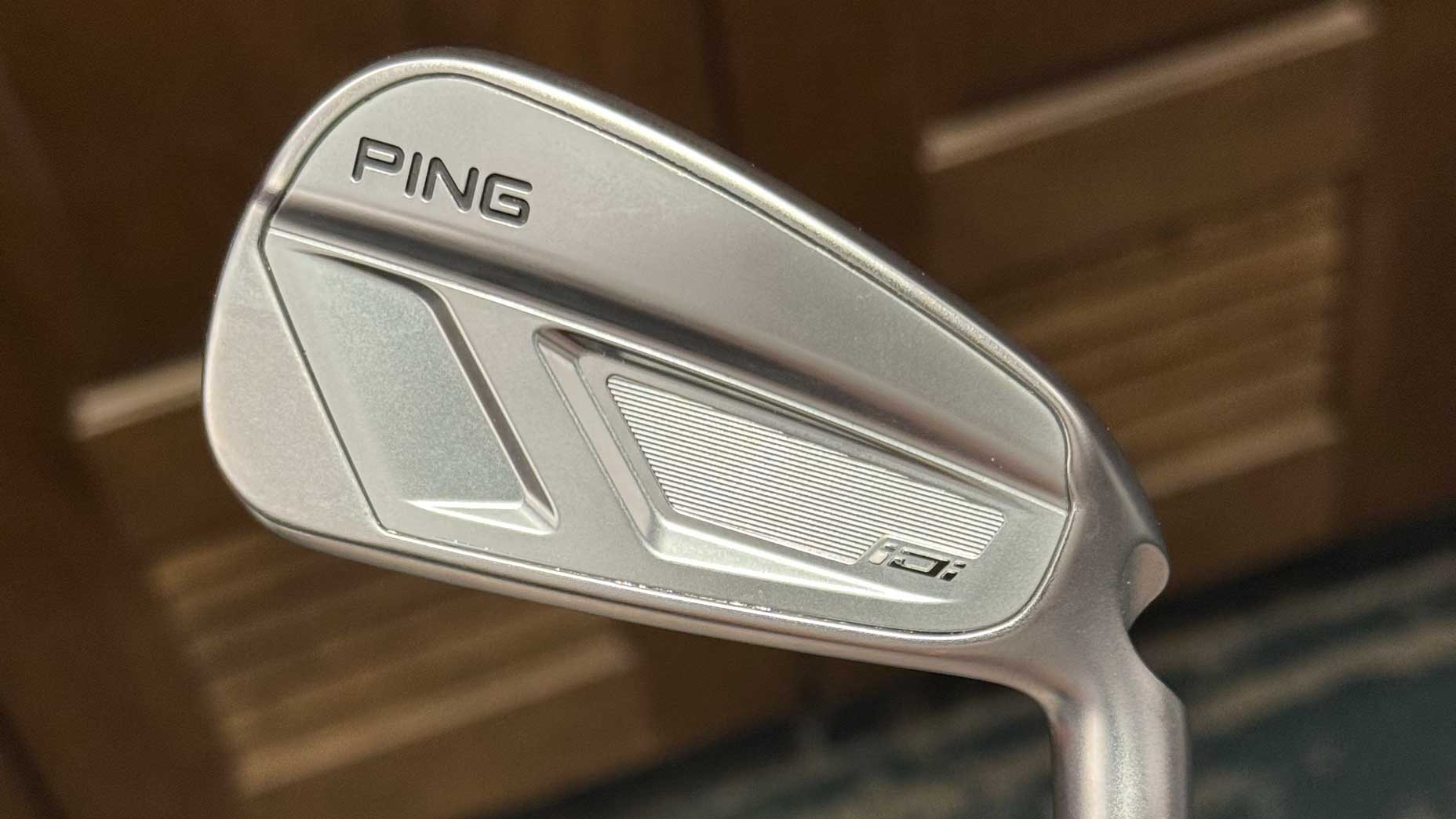
SR: Turf interaction was the most important thing. The iDi was significantly better through the turf, and sound/feel was also better from Crossover to iDi. Turf interaction with everything longer than a 3-wood is so important; it has influence on strike point, which in turn has a direct effect on launch, spin, etc. We always have to be mindful of that especially with someone at his speed.
JW: What’s the most difficult aspect of dialing in his bag?
SR: Due to his speed, wedges are difficult. I have tried to promote adding another wedge to allow more stock-number shots because his speed makes it tough to control his distances. This is the plight of any real long hitter: gapping can get funky and it’s usually at the bottom of the bag. The players that prioritize short irons/wedges and really evolve in that area (a la Dustin Johnson) seem to have the greatest success. Essentially, it’s teaching a knockout puncher to also be a technician. Not simple for some — it takes a ton of work and commitment.
JW: Any of his Trackman data catch your eye?
SR: Anytime I see a Tour pro at 200 mph [of ball speed], it’s always crazy to witness.
Here is Josele Luis Ballester’s full setup:
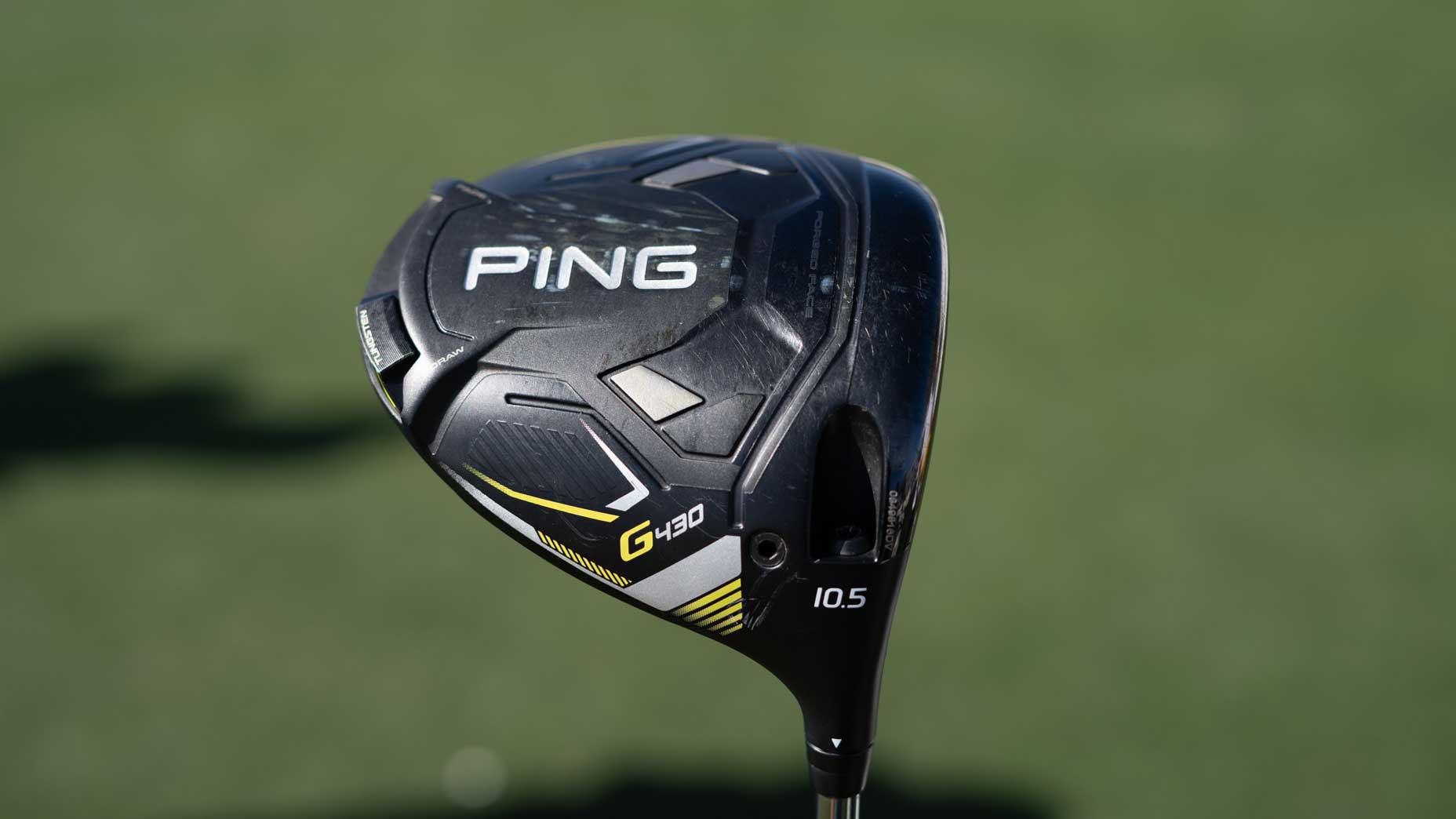
Driver: G430 LST 10.5 @ 9.25 (Big-)
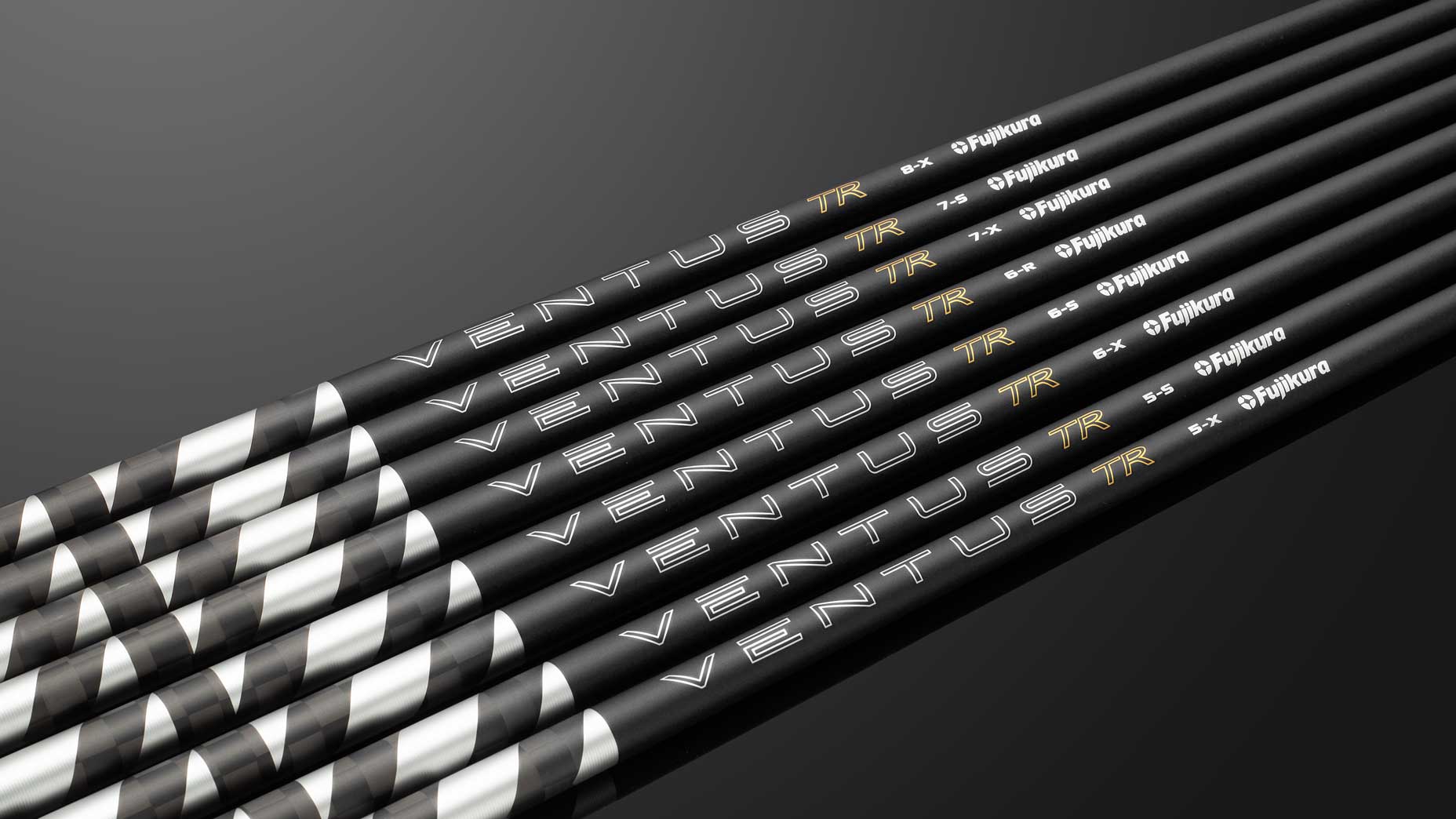
Shaft: Mitsubishi Diaman RF 70TX (Tip 1, 45.25 EOG, D4+)
Mini-Driver: TaylorMade BRNR 13.5
Shaft: MCA Kuro Kage 80TX (43.5 EOG, D4)
Utility Iron: Ping iDi #2 18
Shaft: Mitsubishi MMT UT 125TX (39.75, D3)

View Product
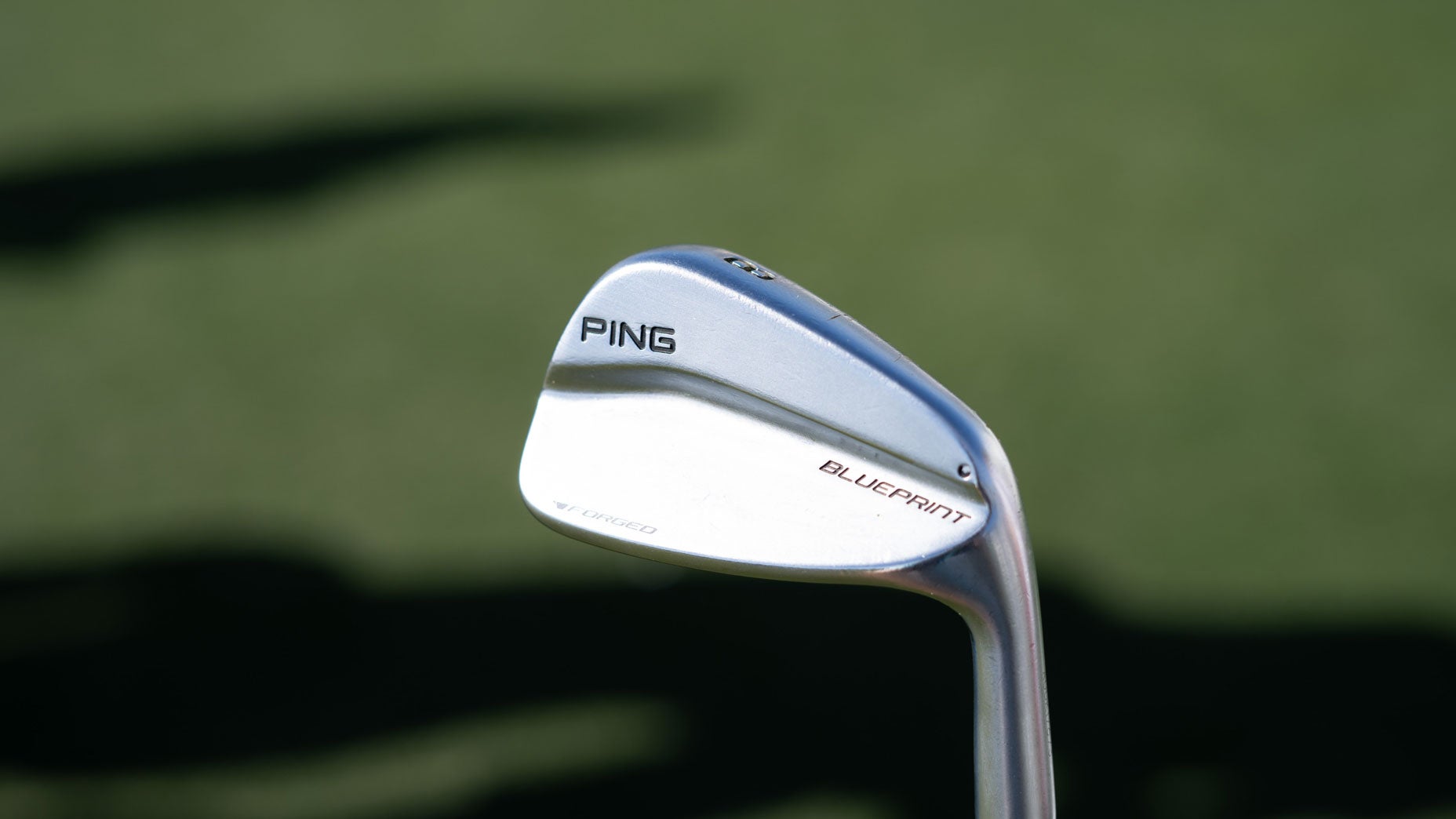
Irons: (4) Ping IBlade (5-PW) Ping Blueprint (1 flat, std length, D2+)
Shafts: True Temper Dynamic Gold Tour Issue X7
Lofts: 23/27/30.5/34/38/42/46
Wedges: Ping Glide Pro Forged (50/10S, 54/10S, 58/10S)
Shafts: Dynamic Gold Tour Issue X100 (Std length, D5)
Putter: TaylorMade Spider Tour X (34 inches, 2.5 loft)
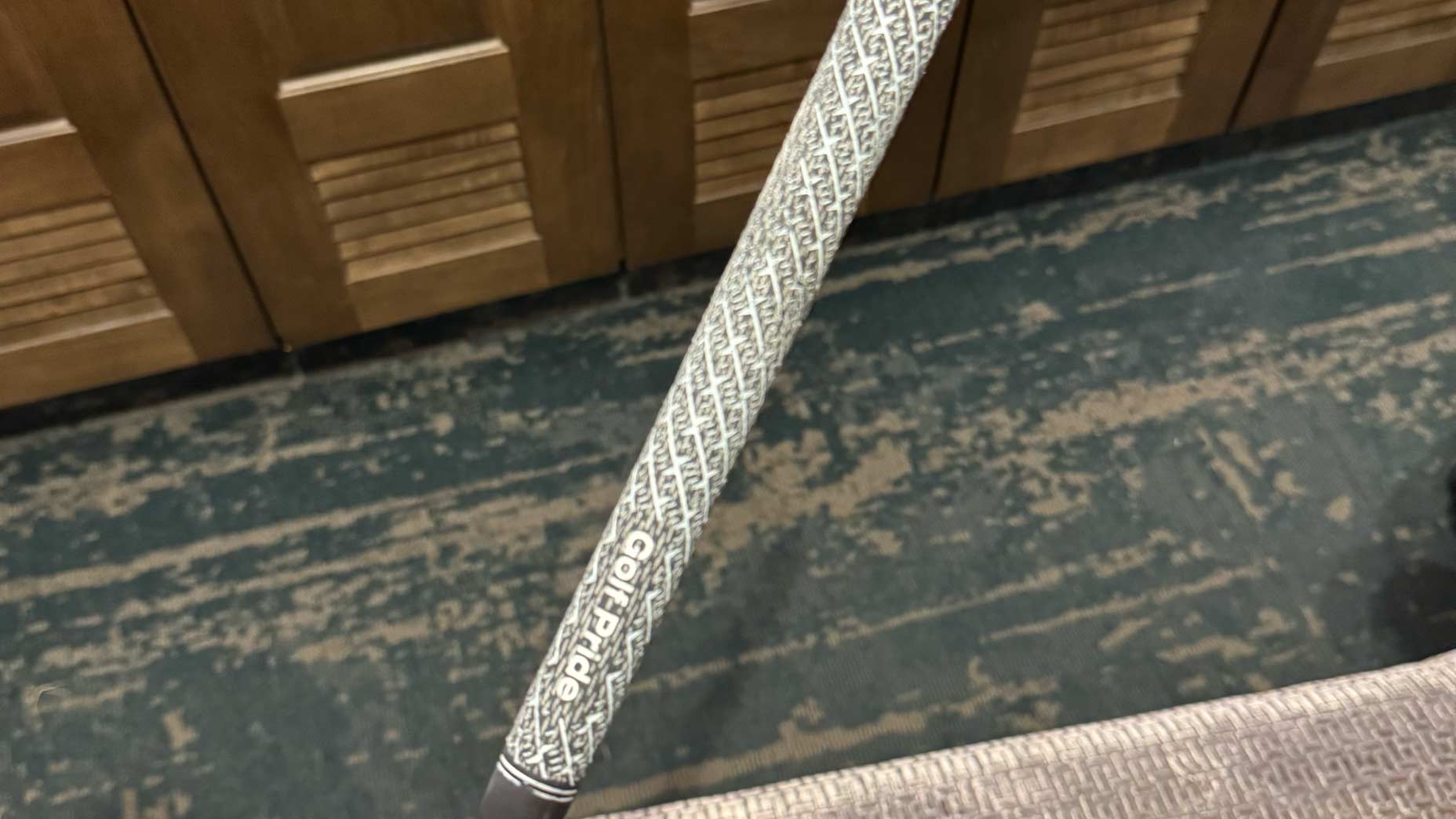
Grip: Golf Pride Pro Only Cord

View Product
Grips: Golf Pride Z-Grip Chord