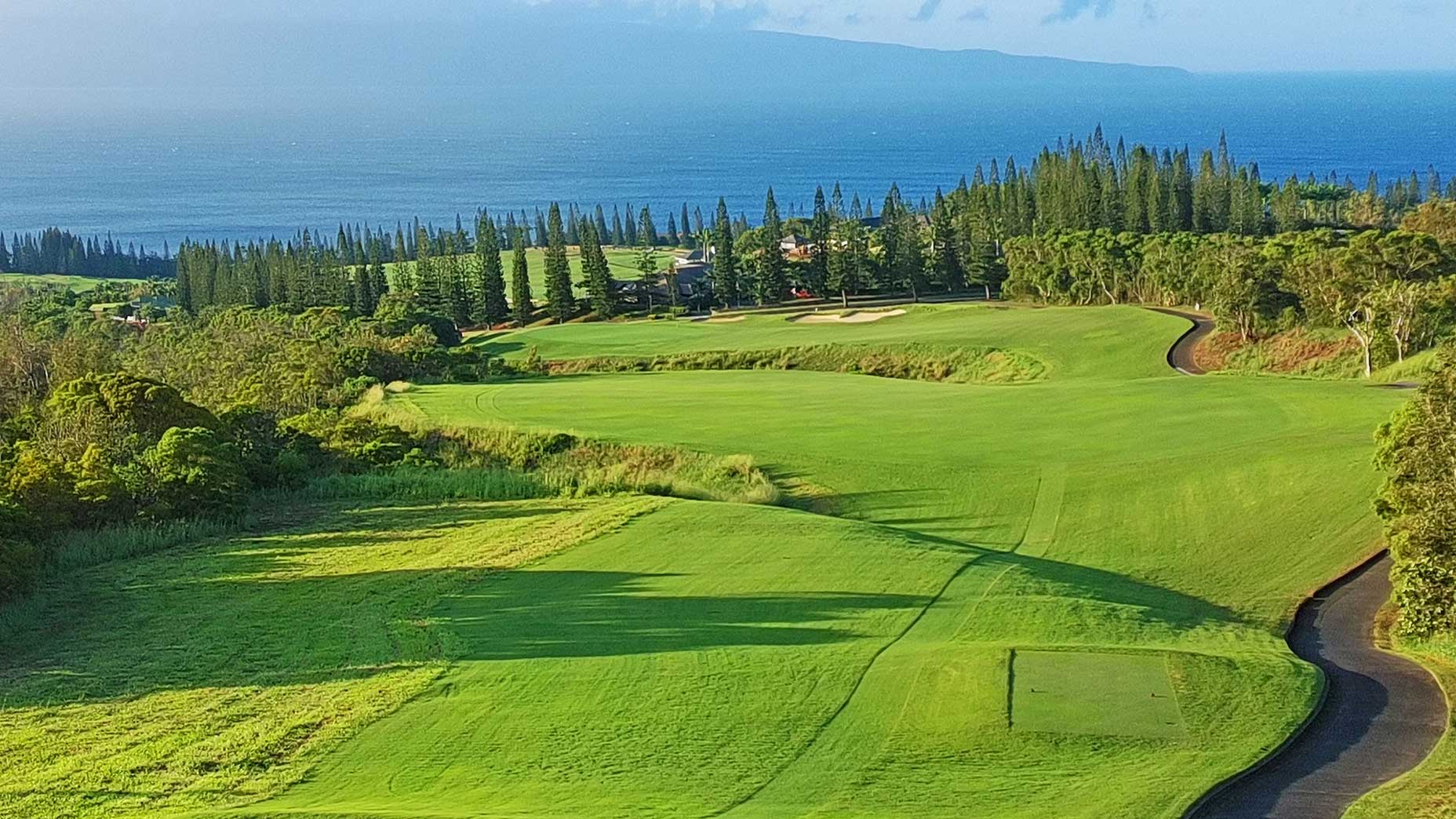
Shortly before sunrise, in the warm Hawaiian half-light, I hopped in a cart and drove up to the 17th tee (the highest point on the course) on Maui’s famed Plantation Course at Kapalua. As I strolled up to the back tee box to have a look, brilliant, low-angled light started spilling over the course.
Since the layout had recently suffered through a significant water crisis, was closed for a couple of months and had just reopened, I expected to see stressed and sun-baked turf, dead spots and ugly scars from malnutrition. Instead? Green grandeur in every direction. Wall to wall perfection. Not a blemish in sight.
The Plantation Course, located on Maui’s northwest tip, is one of Hawaii’s flagship courses; one of the top public venues in not just the state, but the entire country; a longtime staple to host and kickoff the PGA Tour’s January schedule with The Sentry (formerly the Tournament of Champions).
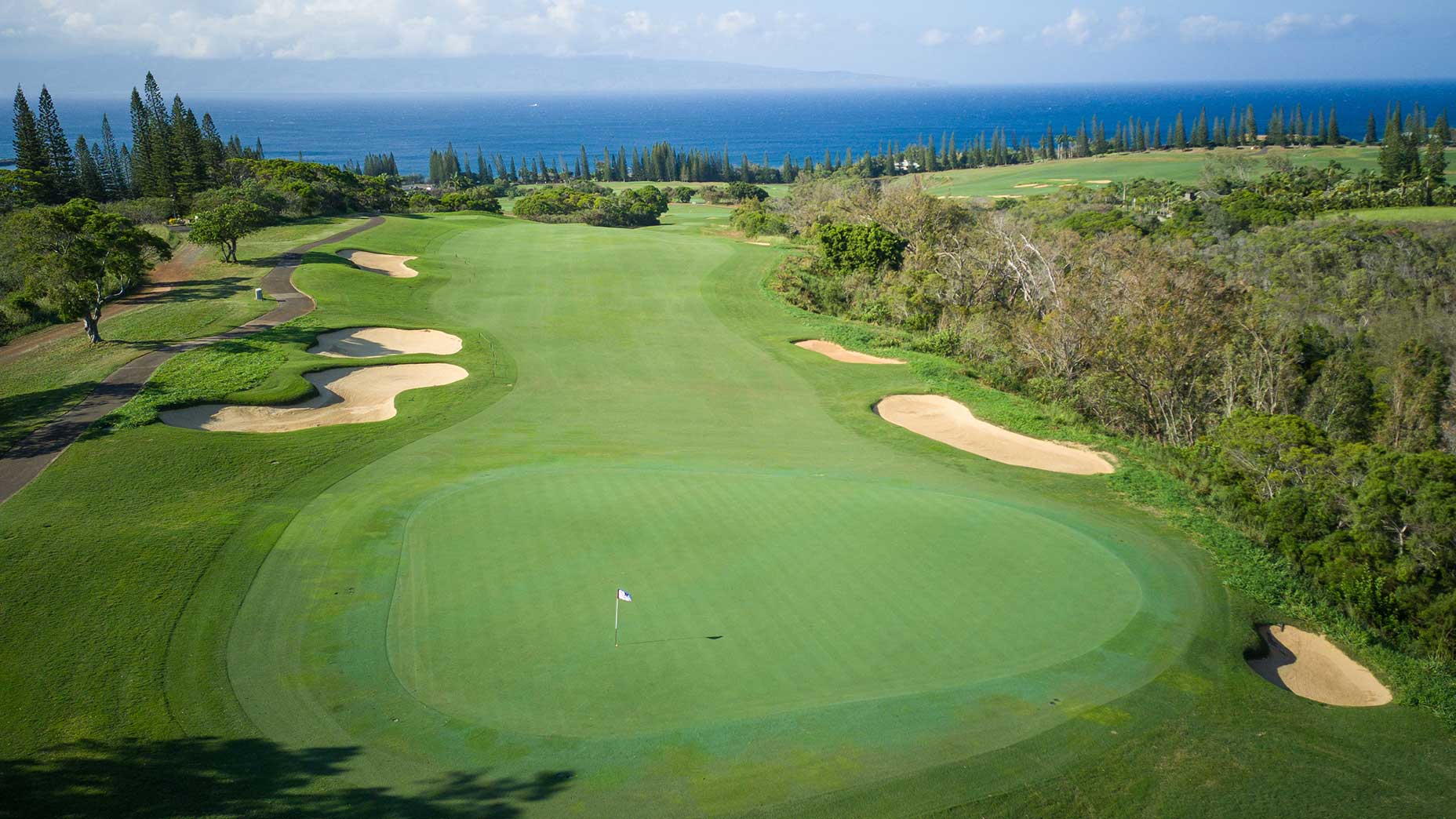
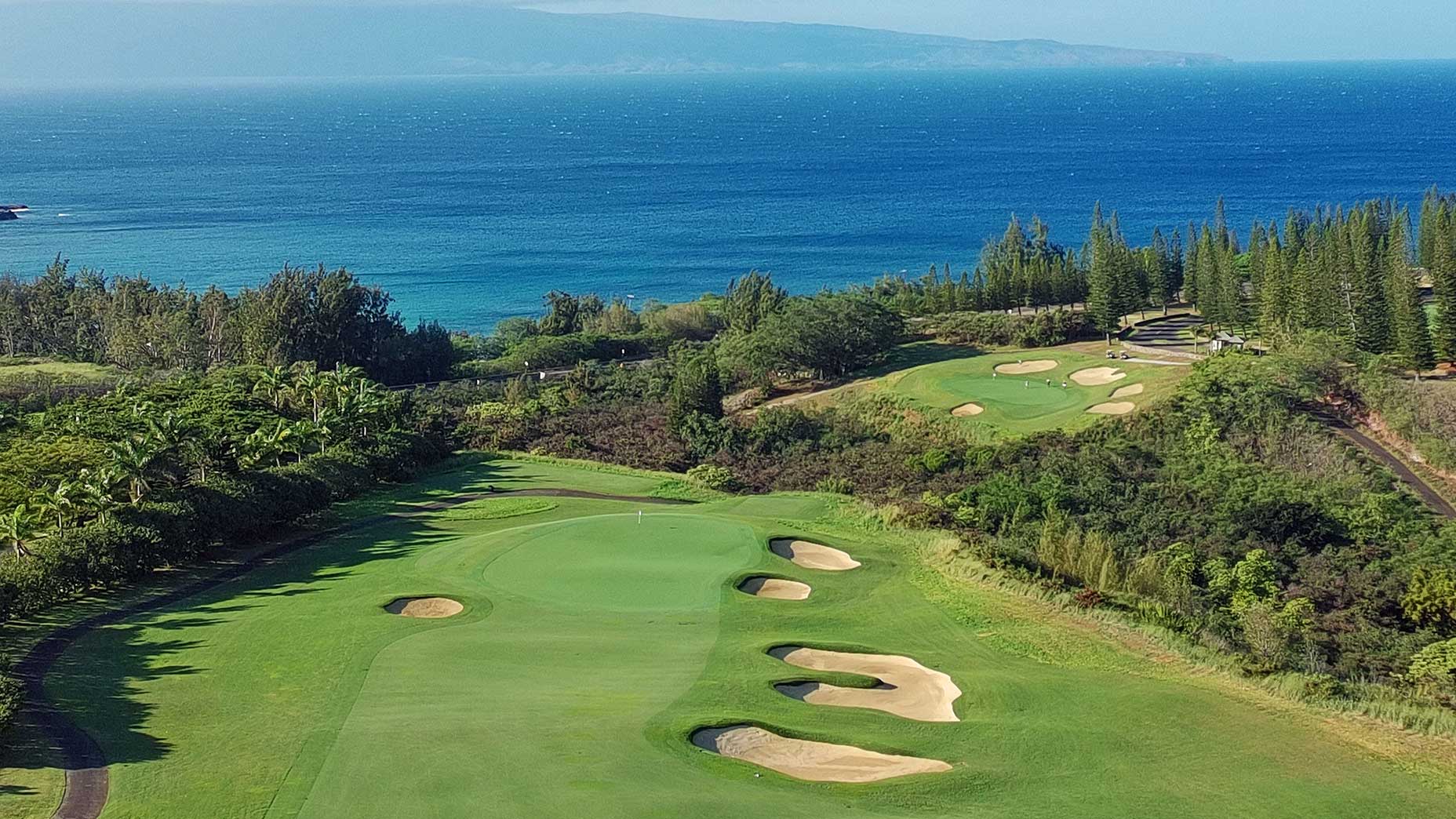
The stunning seaside course, which opened in 1992, is also considered an early masterpiece by Bill Coore and Ben Crenshaw and the layout that really kickstarted the career of, arguably, the greatest architectural duo of all time. Although famous for its closing run — which features a diabolical downhill par-4 followed by a stunning and reachable 660-yard par-5 — the Plantation Course is peppered with wild and one-of-a-kind golf holes that simply could not be replicated elsewhere.
So, given its status and history, naturally, the golf world was stunned when the PGA Tour announced the cancelation of the 2026 Sentry at the Plantation Course (scheduled for Jan. 8-11) due to drought conditions and logistical challenges. And even more shocking were the images that began to emerge of a brown and water-starved course that looked to be on the verge of an eternal exit.
But that was September. Come mid-December, when I teed it up here, and a different tune was being sung. The dirge has turned to dancing. Hula, that is.
“I’m still in awe at how our agronomy team was able to pull off The Plantation Course recovery,” says Kevin Kammien, a senior marketing manager at Kapalua Resort. “The turf was walking that fine line between life and death.”
The problems at the Troon-managed Kapalua Resort began when the Maui Land & Pineapple Company, which owns the water rights in the area, basically shut off the taps to the golf resort in September. (A lawsuit between the parties is still unresolved.) Partial water flow — still 60 percent restricted — has since been restored, but not enough to keep both of the courses at the resort (Plantation and Bay) operating at an acceptable standard. A decision had to be made.
“We had to shift all of our water allotment from The Bay Course to The Plantation Course or we certainly would have lost both courses,” says Kammien. “No one on staff or other industry experts knew whether Plantation would recover or not until we tried. There is no manual for this type of recovery. Our team needed to rely on their vast experience and make numerous decisions on the fly as we progressed with this ambitious recovery plan.”
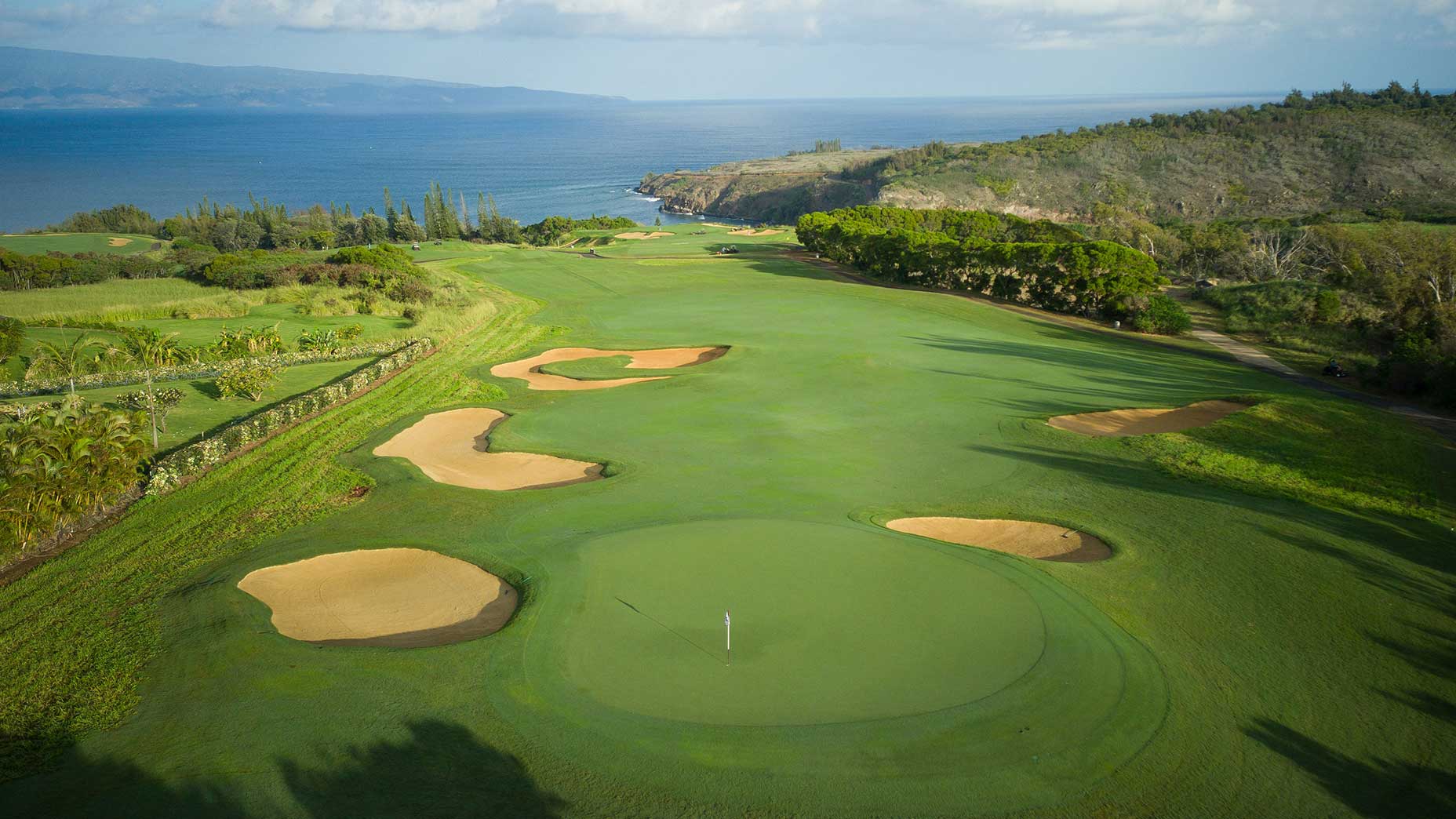
Kammien said they even lost the 1st and 8th greens on the Plantation Course and had to repropagate them with thousands of plugs from their nursery. And while the Bay Course remains closed, he said conditions on the Plantation Course are “fantastic.”
Unquestionably, the drought-tolerant Celebration bermudagrass (on tees, fairways and rough) and TifEagle bermudagrass (greens) also proved to be a major factor in the recovery.
“We converted to these grasses in 2019,” says Kammien. “And during the past six years they established deep root systems. These strains really proved their worth, especially during the period of 100 percent water restrictions.”
While the durability of the turf was absolutely critical in Plantation’s recovery, their scientific-grade weather stations, soil moisture meters and crop sensors that have the ability to adjust precipitation rates for each individual head on the property also contributed significantly.
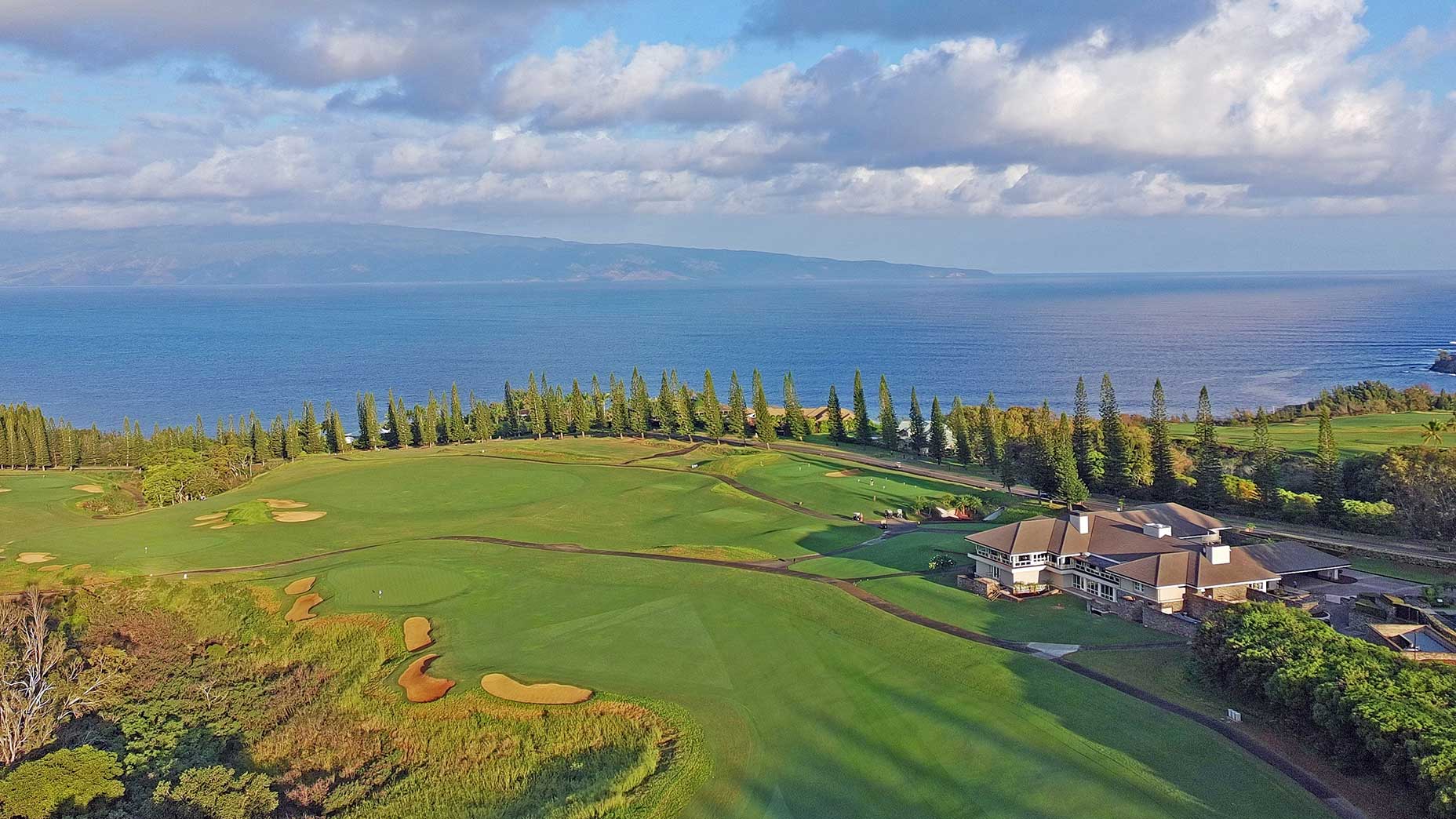
And, of course, the key people behind the entire project — director of agronomy Andrew Rebman and superintendent Bryan Pierce — have done a stellar job. Interestingly, during the closure, the entire turf team remained on staff (43 people) and many projects — such as cart path renovations, new guard rails throughout, brush removal and extensive tree trimming — were enhanced.
But what I quickly noticed during my recent round (Dec. 15, 2025), besides the uniformity and consistency of the turf, was the absence of ball marks, divots and other wear marks from play. Clearly, even though the course did reopen in mid-November, very few people have played. (The day I played, approximately 50 golfers were booked on the tee sheet; $475 per player.)
As it was my maiden voyage around The Plantation Course, I was also keen to experience the fabulous finish. I was tickled pink to run a ball way down the hill on the 18th and give the green a go in two. No birdie, but, hey, given how much fun I was having — and the turnaround of these course conditions — I felt like hula dancing all the way around anyway.
Andrew Penner is a freelance writer and photographer based in Calgary, Alberta. You can follow him on Instagram at @andrewpennerphotography.