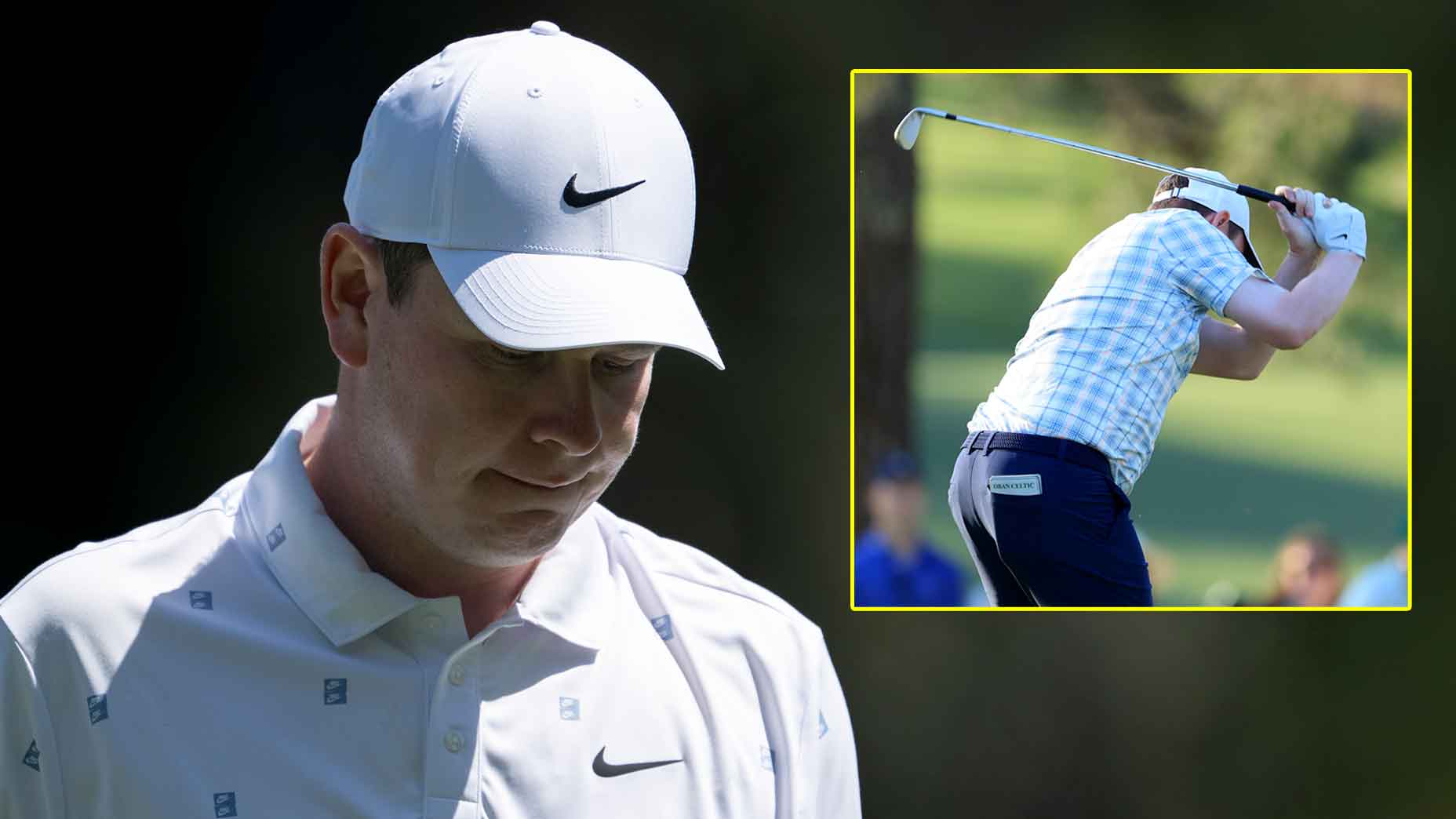
Shane Lowry’s golf ball movement at the Open Championship “was discernible to the naked eye,” the major championship’s rules committee said — and it also explained why the Open’s 2019 winner was docked two strokes on Friday.
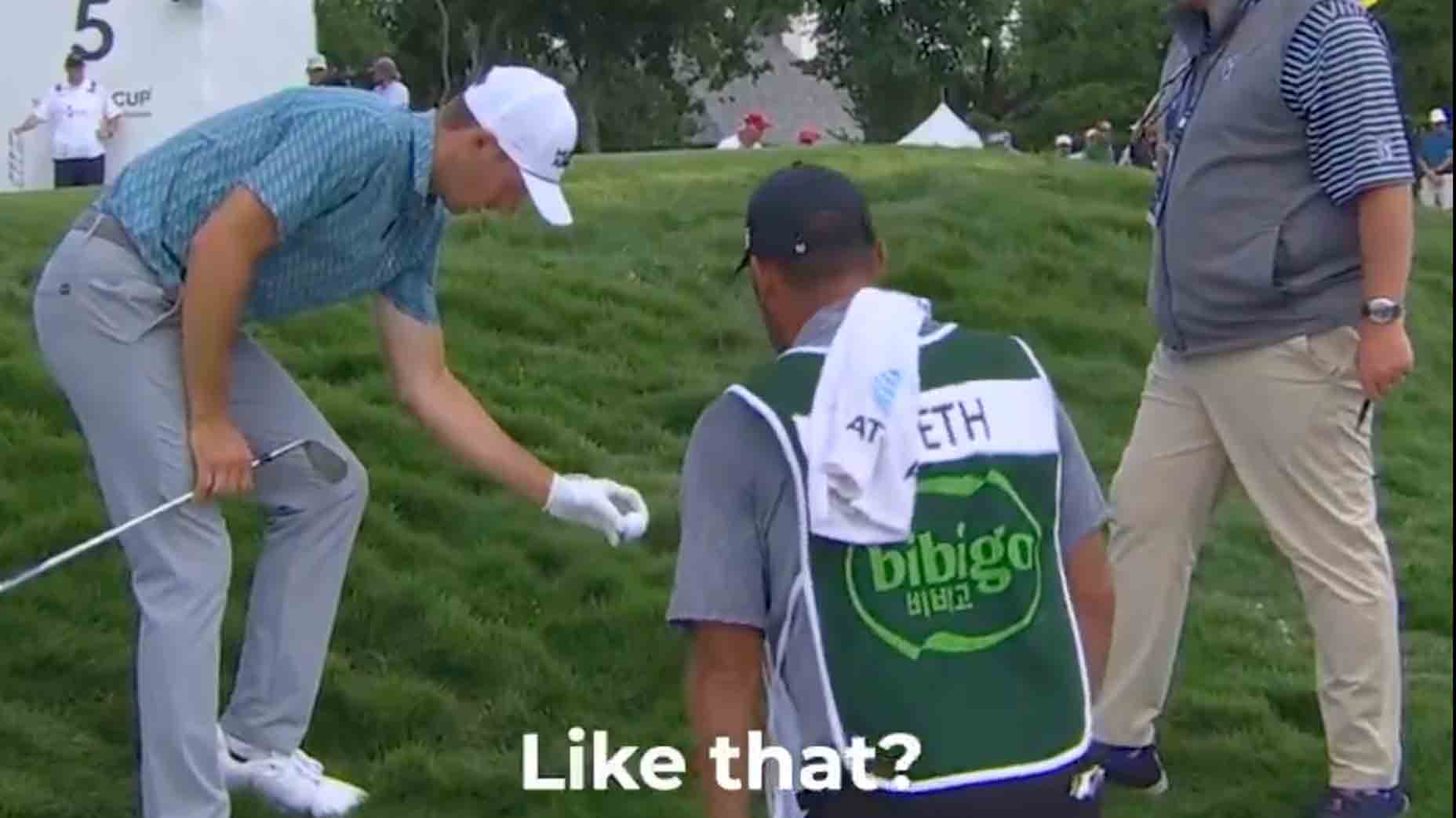
The R&A’s statement came after the second round, where Lowry took a practice swing ahead of his second shot on the 12th hole at Royal Portrush — and a TV replay showed that Lowry’s ball slightly moved in the process, though he later said he didn’t see it happen in the moment. After the round, officials met with Lowry and his playing partners, Scottie Scheffler and Collin Morikawa, and an agreement was made that Lowry would be given a two-stroke penalty.
Why, though, was Lowry penalized after he said he didn’t see the ball move? Notably, a rule instituted eight years ago limits the use of slow-motion replay in rule decisions. That rule reads: “If the committee concludes that such facts could not reasonably have been seen with the naked eye and the player was not otherwise aware of the potential breach, the player will be deemed not to have breached the Rules, even when video technology shows otherwise. This is an extension of the provision on ball-at-rest-moved cases, which was introduced in 2014.”
In its statement on Friday, the R&A said this:
“Assessing whether the movement of the ball was visible to the naked eye in such a situation assumes the player being in a normal address position for the stroke.
“In Shane Lowry’s situation, the movement of the ball to another spot, including the movement of the logo, was discernible to the naked eye. The naked eye test is satisfied whether or not the player was looking at the ball when it moved.”
The R&A also said that it reviewed whether Lowry’s ball left its original position and came to rest in a different one; and whether it was “known or virtually certain” that Lowry caused the movement — and the committee said both happened. It also explained why Lowry was penalized two strokes, which turned his one-under 70 into a two-over 72.
“In these circumstances there is a one stroke penalty and the ball must be replaced,” the R&A’s statement said. “However, as the ball was played from the spot where it was moved to, the player played from a wrong place and incurs a total penalty of two strokes.”
Below is the complete statement:
During Round Two, Shane Lowry’s ball was seen to have moved while he was taking a practice swing for his second shot from the rough at the 12th hole.
The Rules require three things to be assessed in such situations:
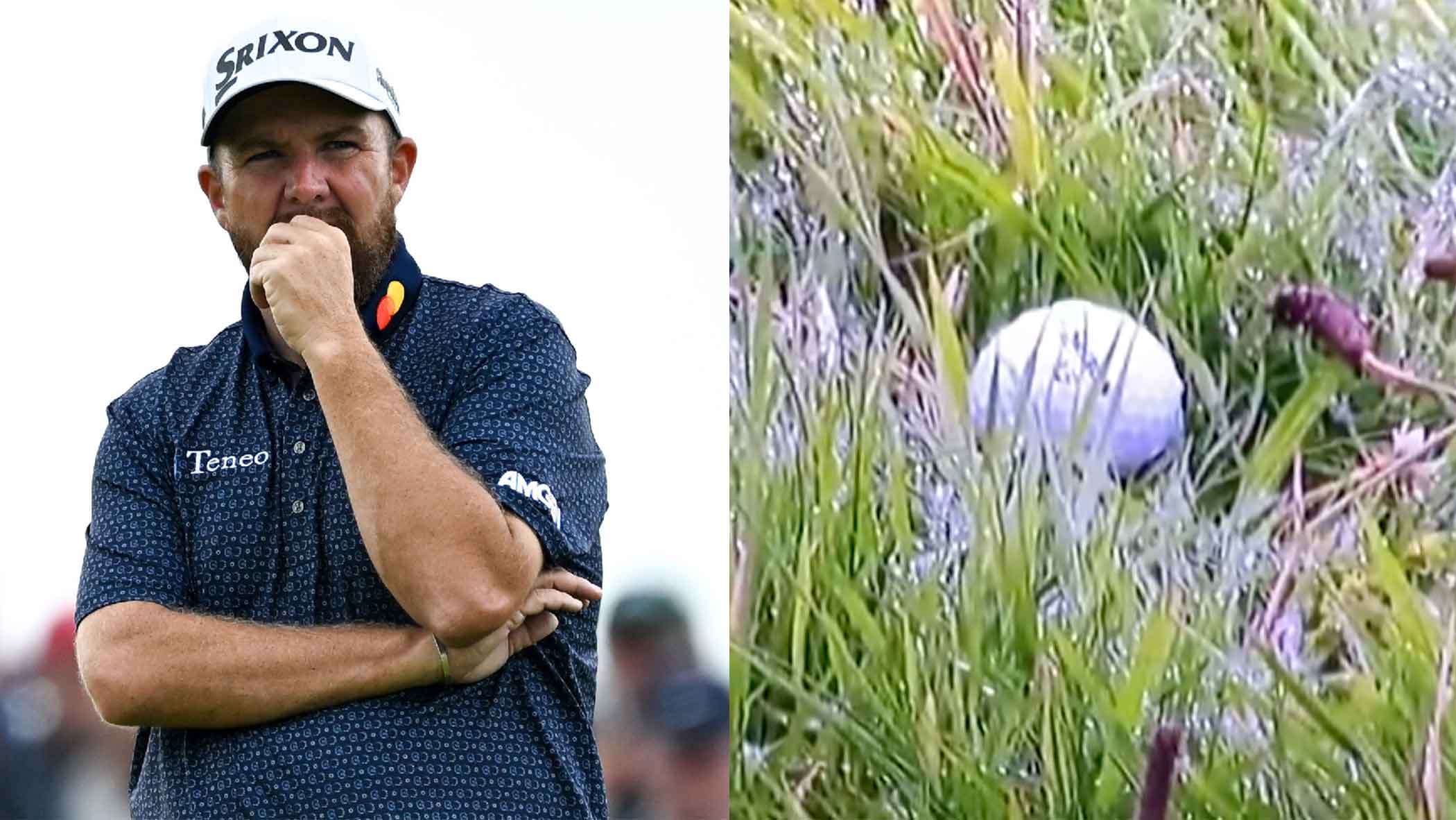
1. Did the ball leave its original position and come to rest on another spot?
2. Was the ball’s movement to another spot discernible to the naked eye? and
3. If the ball did come to rest on another spot and the movement was discernible to the naked eye, is it known or virtually certain that the player’s actions caused the ball to move?