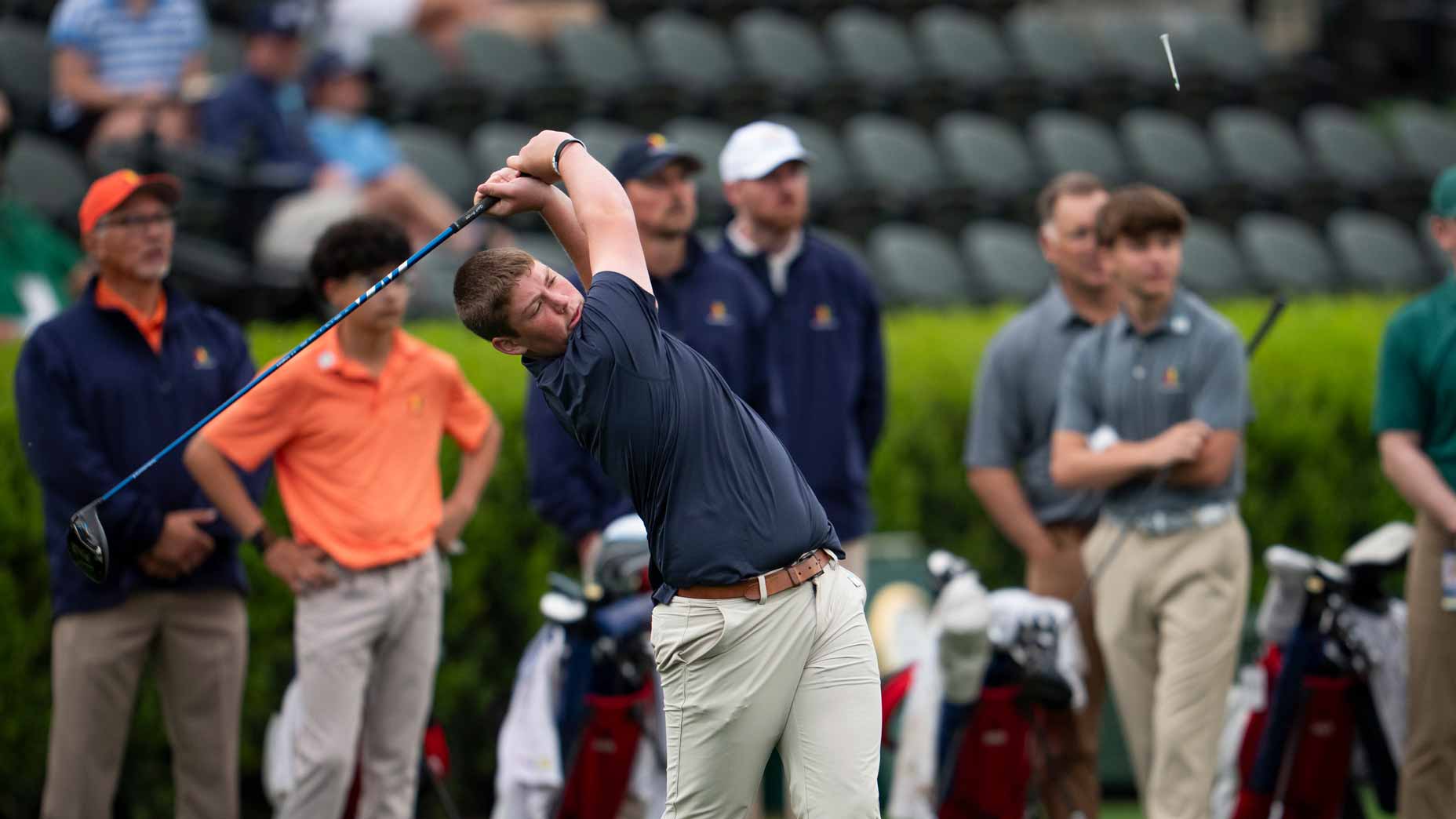
A career of contradictions is probably what best defines Billy Horschel: a sharply dressed golfer with a crisp, buttoned-up swing, yet equally known for fiery outbursts.
A standout amateur who helped the U.S. secure the 2007 Walker Cup and a University of Florida star with four All-American honors and two SEC Player of the Year titles, Horschel was the can’t-miss kid du jour when he turned pro in 2009. Earning his PGA Tour card that December via Q-School, Horschel’s wrist injury stalled his 2010 rookie season, but after two more Q-School attempts, his career took off in 2013. He claimed his first victory at that year’s Zurich Classic of New Orleans with a dazzling six-birdie final round, then dominated 2014, winning the FedEx Cup with triumphs at the BMW Championship and Tour Championship.
After a silent decade, Horschel bounced back in a big way in 2024, notching two wins — one on the PGA Tour, one on the DP World Tour — and a near-miss at the Open at Royal Troon. He continues to post top-10 finishes and showcase a renewed consistency and resilience.
Check out below to learn more about the eight-time Tour winner’s swing.
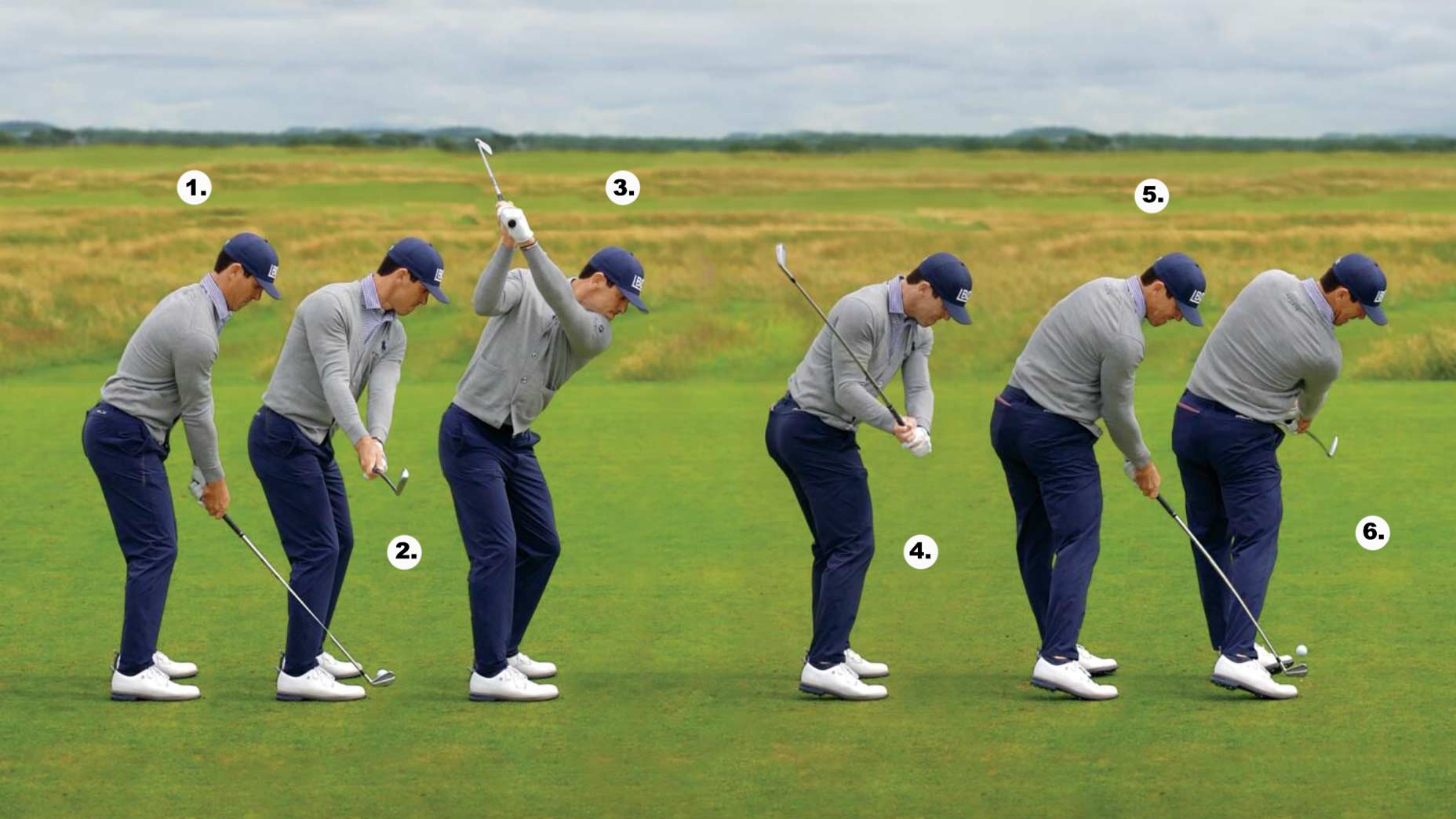
1. Address
Pros stand much closer to the ball than rec players. Billy is close without looking crowded, and he has his rear end out without over-straightening his back.
2. Takeaway
Notice the toe of Horschel’s club pointing toward the sky — an old-school move that allows you to soften your trail arm and shoulder more to free up your turn.
3. Top
Billy’s neat and tidy backswing is neither loose nor long. Notice that he doesn’t over-flex his lead left wrist — flat is just fine, folks. The buttons on his sweater point away from the target. Now that’s a torso turn!
4. Downswing
Horschel does a great job of starting to push off his trail foot without overdoing it, and he keeps his chest closed while opening his hips. He’s keeping the shaft between his arms, à la Jack Nicklaus and David Toms. This is a great goal for any golfer who gets burned trying to over-shallow the shaft.
5. Impact
Billy’s impact position is a great combination of a relatively high and forward trail shoulder. It’s something he must continually balance with his tendency to retain side bend long after impact.
6. Release
Horschel controls the clubface by keeping his trail arm under his lead arm while getting the butt of the club to point back at his torso. One keeps the face from closing too fast and the other from staying too open for a weak swipe.
Brian Manzella is a GOLF Top 100 Teacher who teaches at English Turn Golf & CC in New Orleans, La.