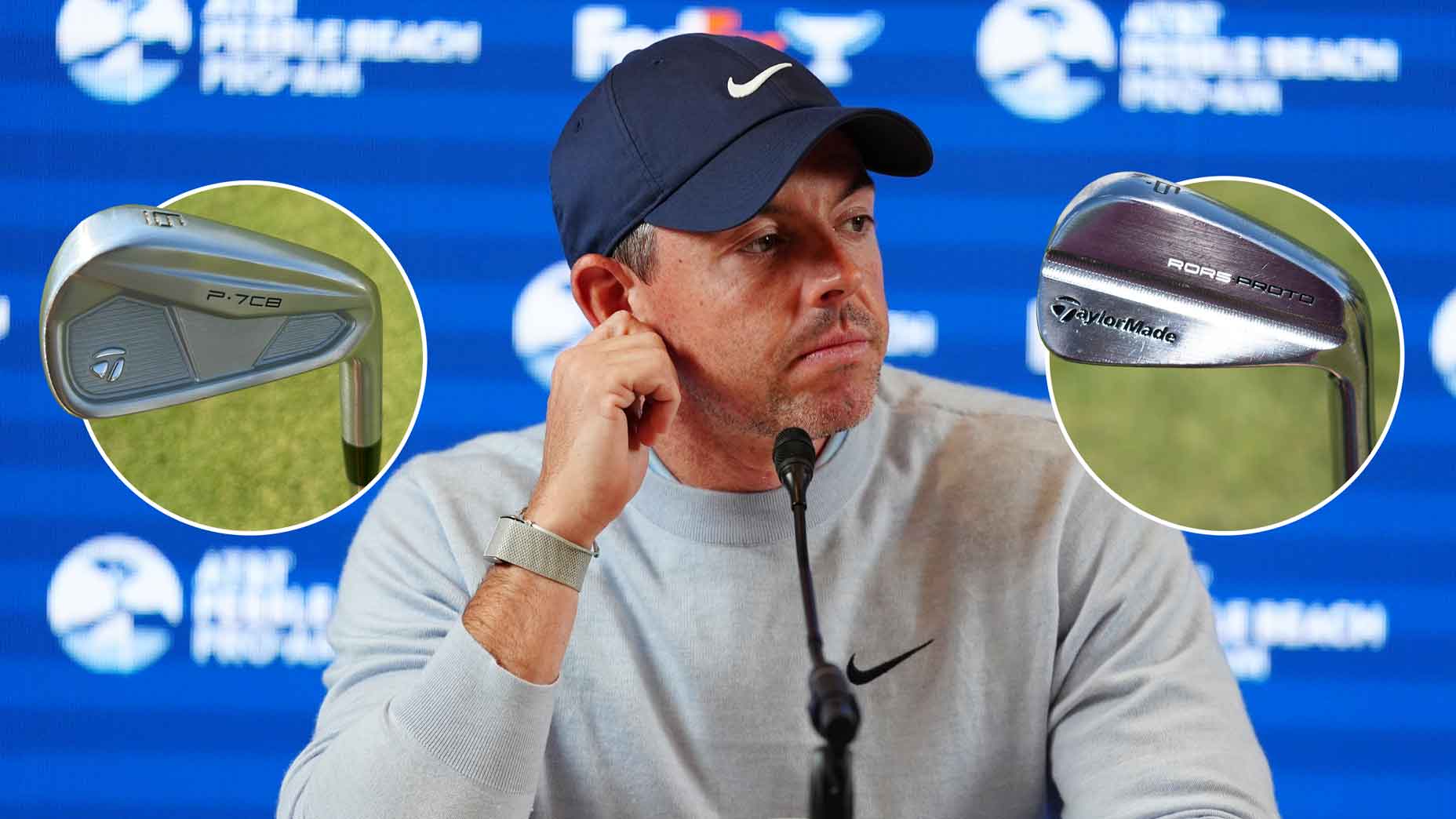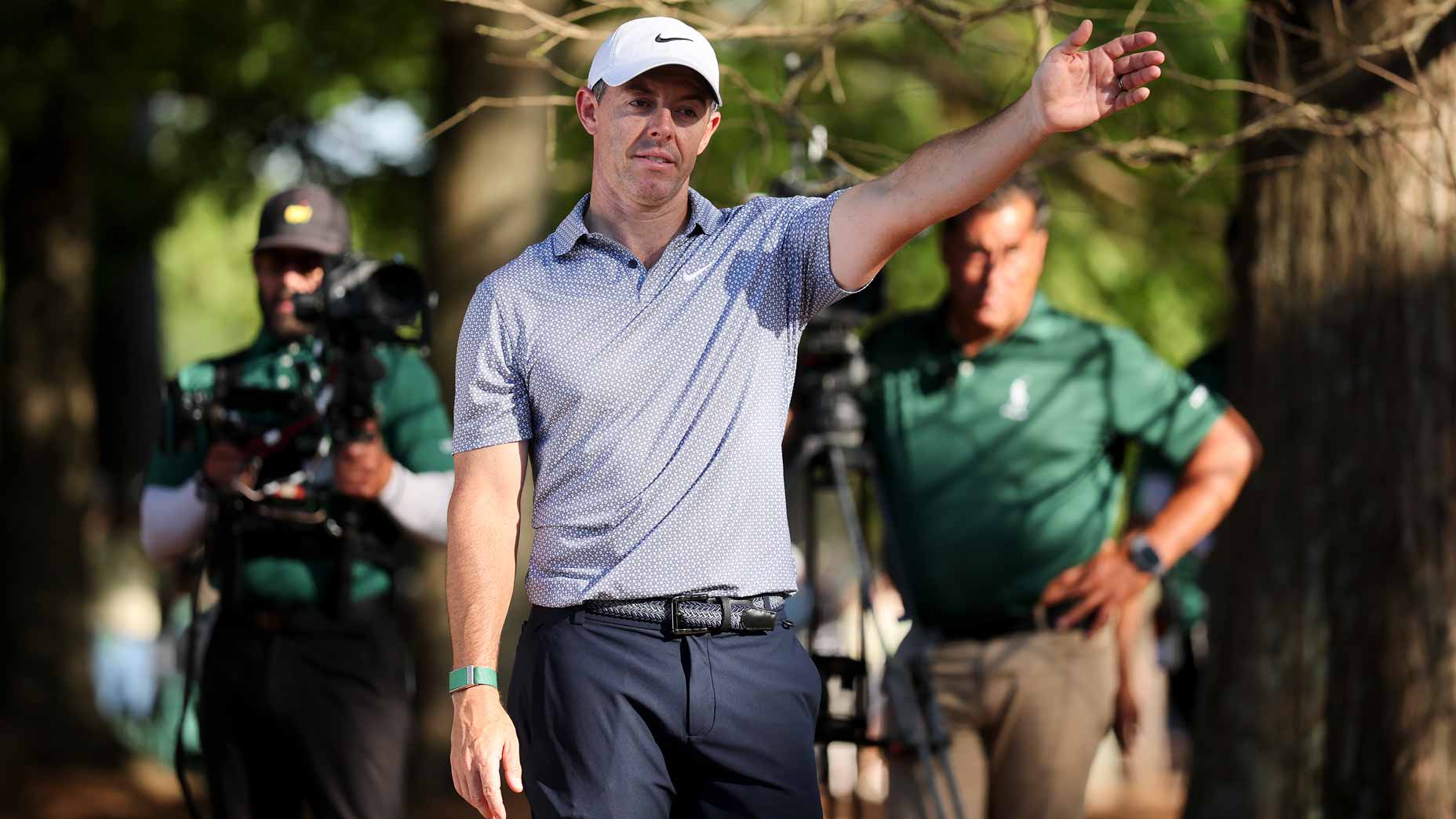
On Friday at Augusta National, Rory McIlroy was sublime. He made six birdies over his last seven holes to close out a seven-under 65, he opened up a six-shot lead (the largest in tournament history) and many questioned if the green jacket was already clinched.
As golf fans have witnessed so many times before, though, no lead is safe around Augusta National. And on Saturday, they got another reminder.
McIlroy, who is looking to become just the fourth golfer to win back-to-back Masters, was out of sorts during his third round, posting a one-over 73 to drop back into a tie for the lead with Cameron Young heading into the final round.
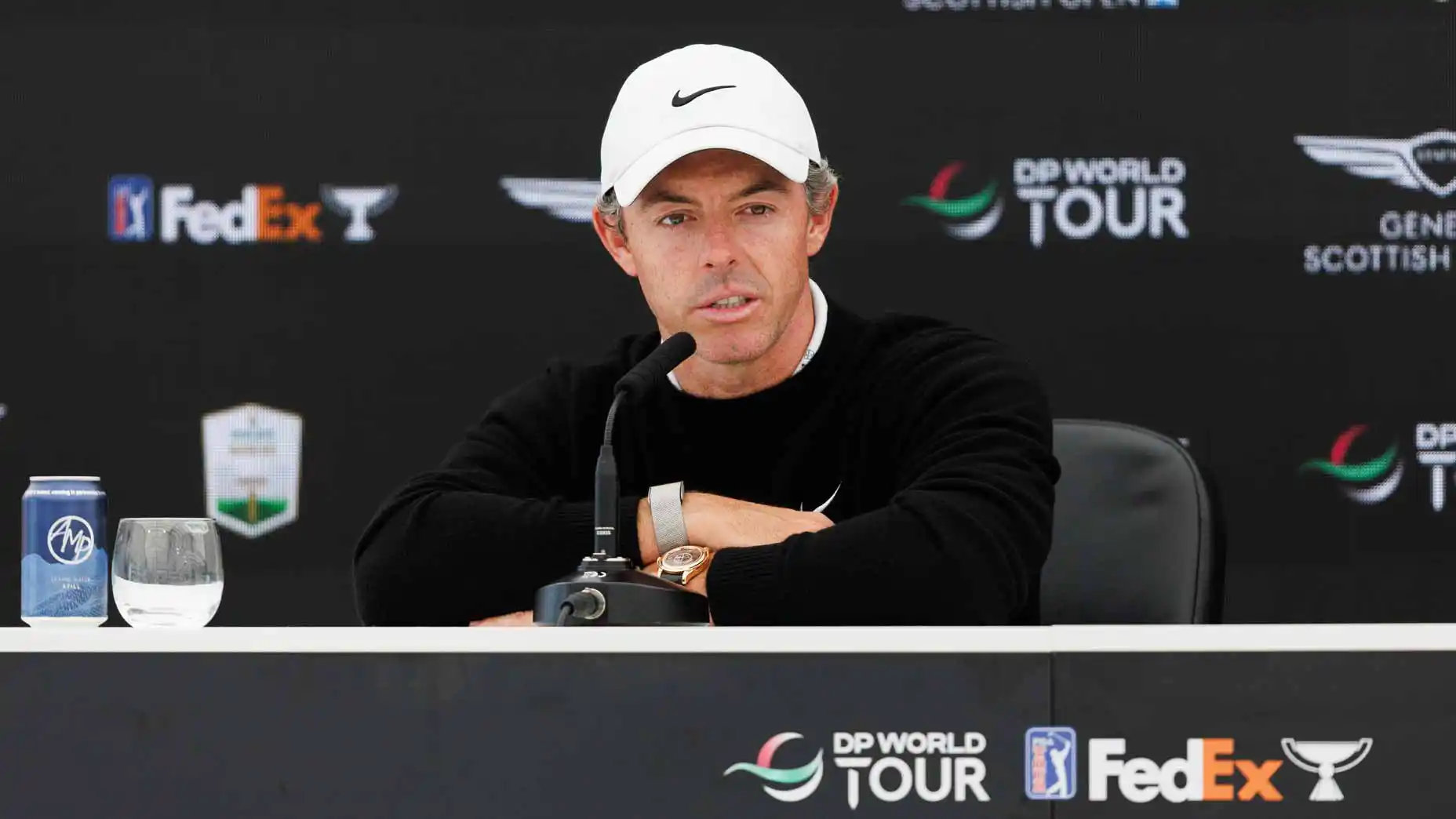
“This golf course has a way of — when you’re not quite feeling it, you struggle,” McIlroy said. “I just need to go to the range and try to figure it out a little bit.”
By “it” he, of course, means his swing. Specifically, a pesky left miss with his approach shots into greens.
Several times throughout his third round, McIlroy missed left of the green. And as he made his way through Amen Corner, those left misses cost him three dropped shots as he made double bogey on 11 and bogey on 12.
The good news for McIlroy fans? The left miss he fought is correctable — and he seems to know why it’s happening.
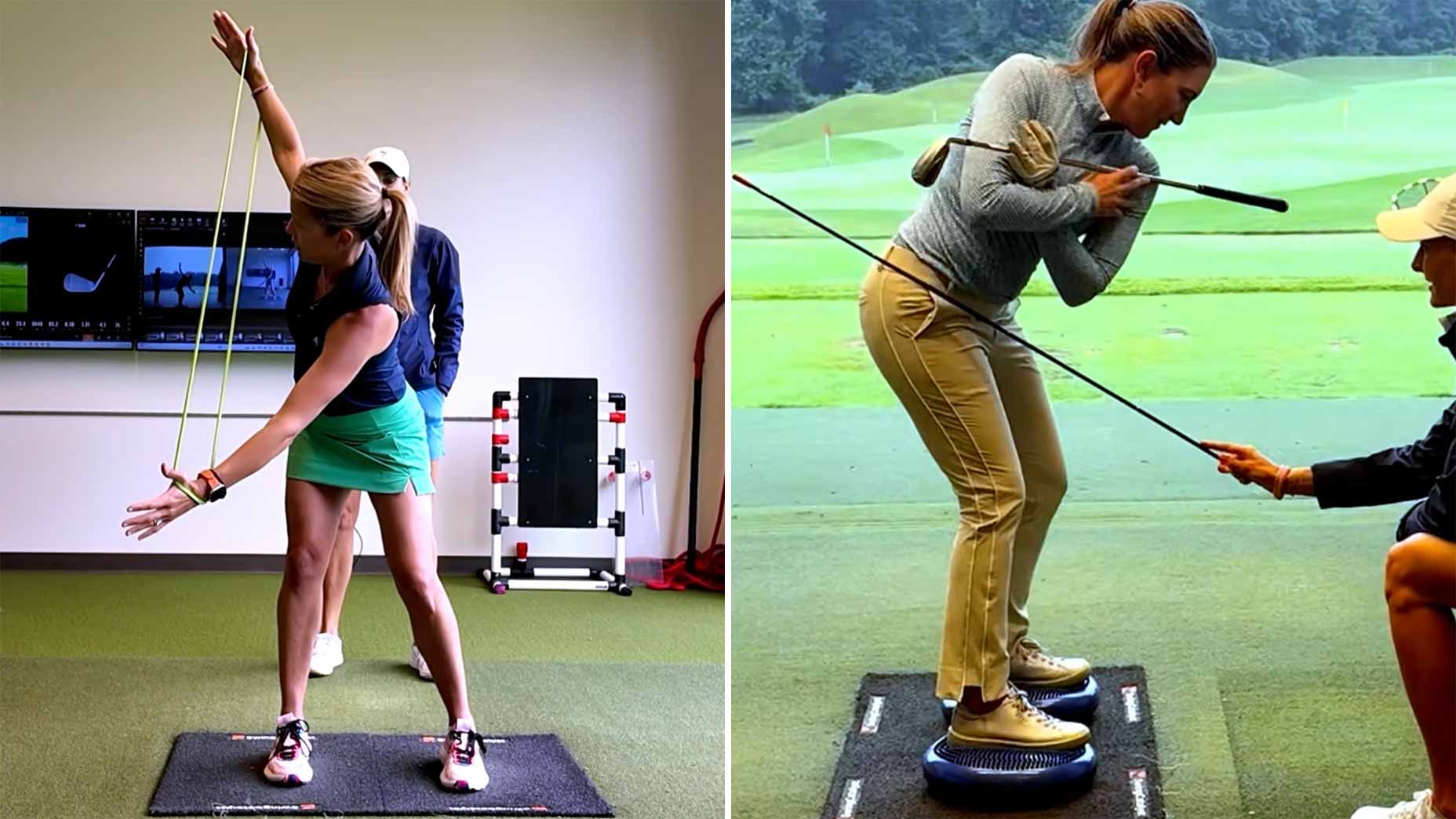
“For me it’s just about keeping my lower body moving,” McIlroy said. “If I can just get my lower body moving through impact, then that should sort of fix it. But I am going to go and hit a few balls on the range to neutralize the ball flight a bit.”
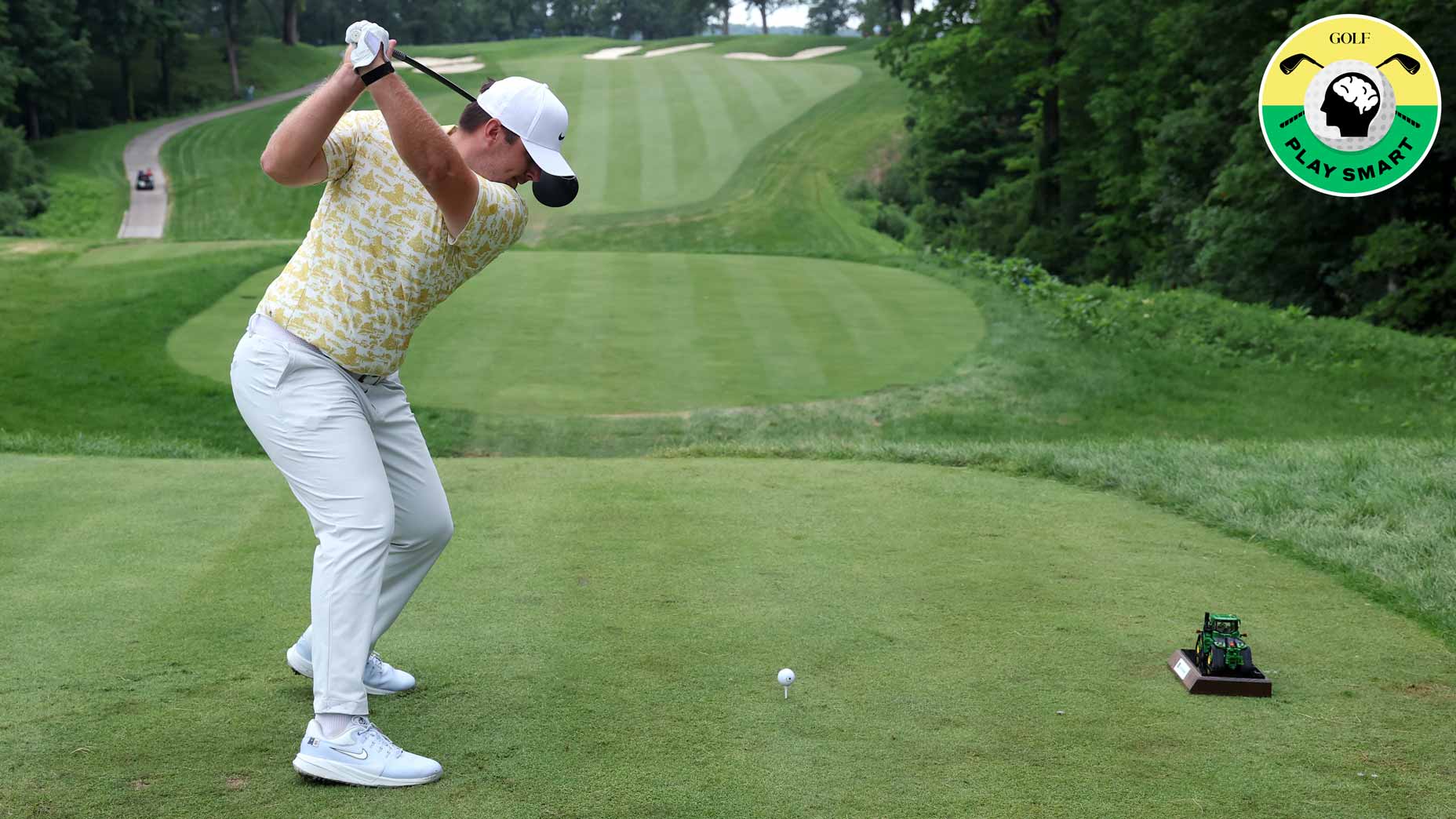
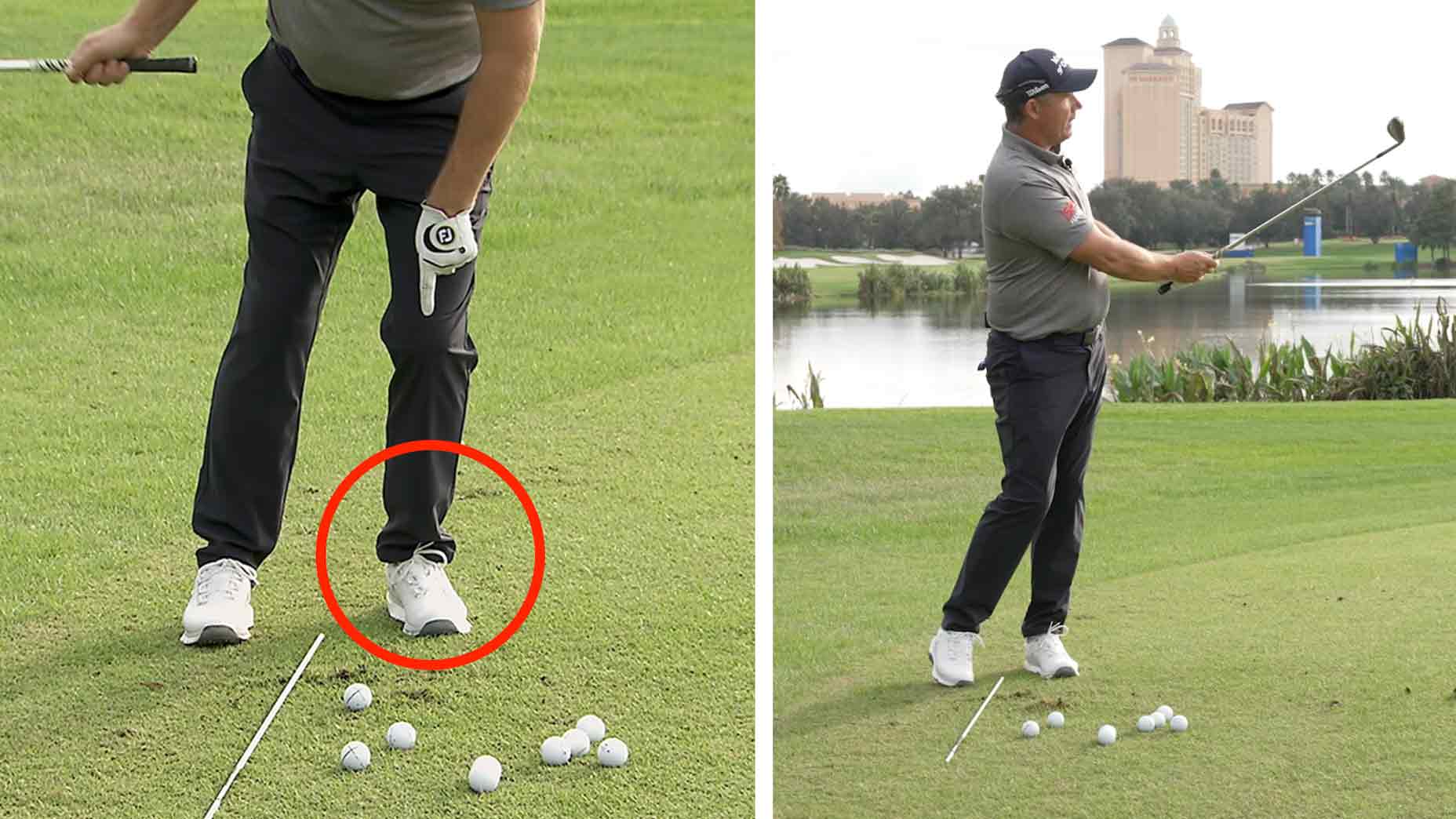
When the lower body slows (or stalls) around impact, your arms and hands take over and close the clubface. This is a miss that plagues everyone from casual recreational players all the way up to green jacket winners, and it’s something that can be round-wrecking if you aren’t careful.
McIlroy’s left miss makes much more sense with the added context of the type of shot he was trying to hit on some of the trouble shots. On Nos. 6 and 12, for example, he noted he was in between clubs and trying to hit a knockdown shot. When trying this three-quarter knockdown type shot, the tendency is for you to stall your turn around impact in a subconscious effort to keep the ball from going long. When you do this, however, the arms and hands take over and produce the pesky left miss.
“I had maybe awkward numbers or trying to take a little bit off and I missed those ones left,” McIlroy said. “So something to maybe go and work on tonight and, again, try to figure that out.”
If he can figure out how to guard against that miss, look for McIlroy to return to his form from the first two rounds and claim a second consecutive green jacket. If he can’t, he’ll be slipping the jacket on one of his competitors come Sunday evening.