Welcome to Play Smart, a regular GOLF.com game-improvement column that will help you become a smarter, better golfer.
Happy Gilmore 2 — the sequel to the Adam Sandler’s 1996 golf comedy — has taken America by storm. Despite lukewarm reviews from critics and fans alike, the flick recorded 46.7 million views during its opening weekend streaming on Netflix, making it the most-successful opening weekend for any movie on the streaming platform. It may not be the best movie ever made, but it’s hard to argue it’s been anything but a smashing hit.
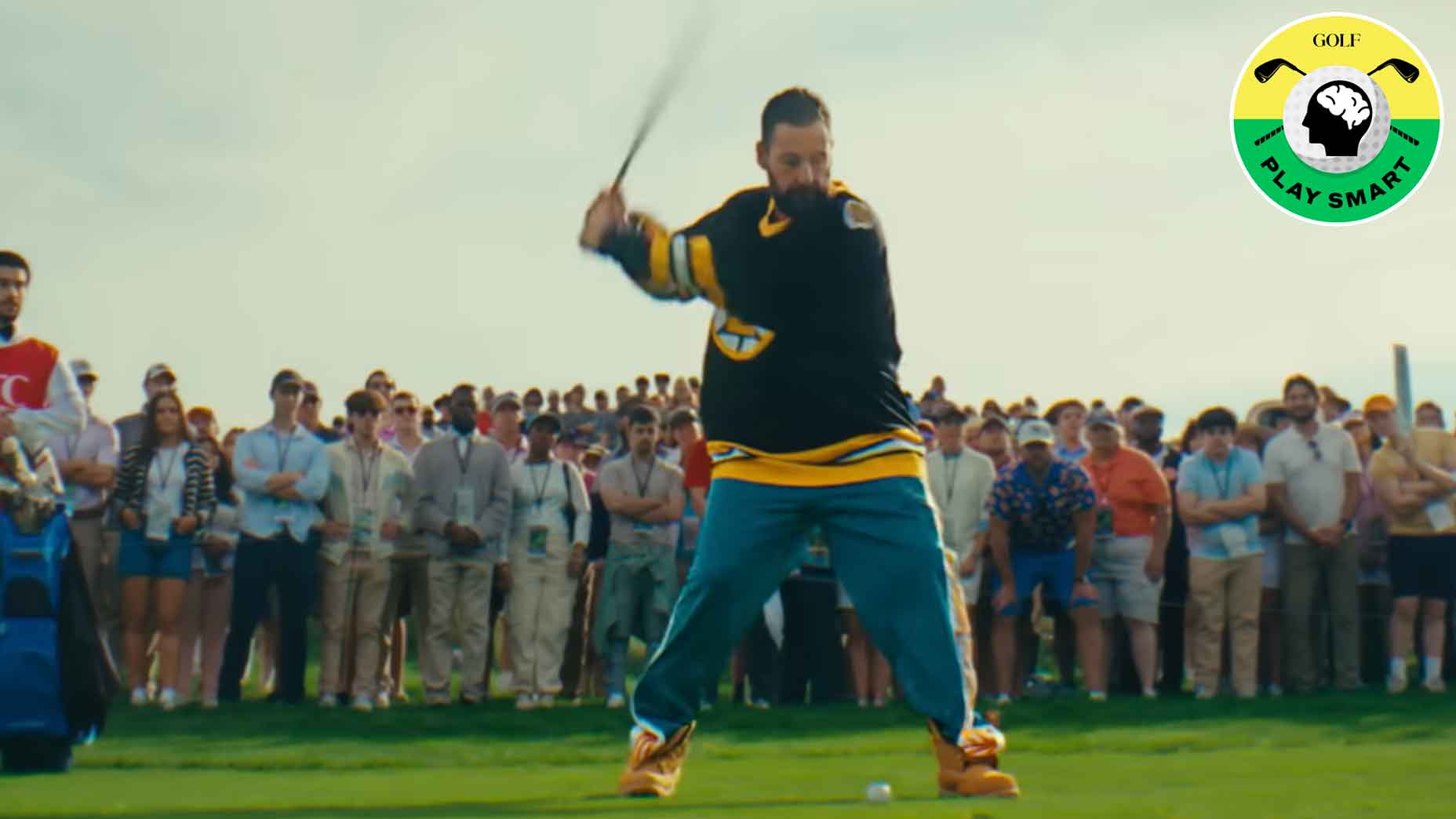
With Happy Gilmore fever in full force, the iconic run-up swing is making a comeback, with pro golfers and influencers doing their best impression of the hockey-player-turned golfer’s iconic move. And while the swing might not be the most consistent move, there is plenty you can learn from it.
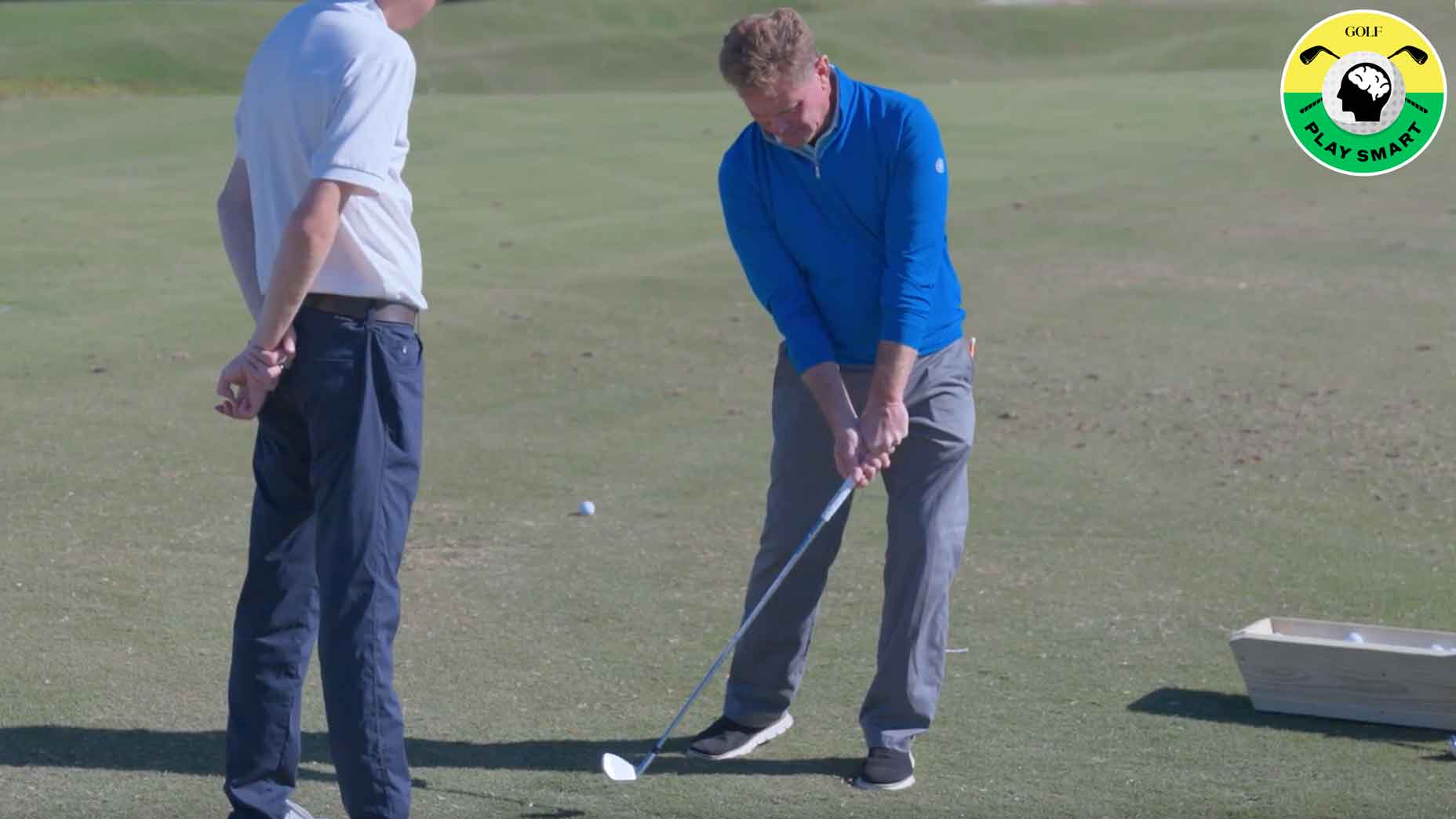
On his YouTube channel Paddy’s Golf Tips, three-time major winner Padraig Harrington broke it all down. Check it out below.
How Happy Gilmore’s swing can help you
Happy Gilmore is known for his supreme power off the tee in the films, and while it’s a bit cartoonish at times, that doesn’t mean there’s no merit to the way he swings the club.
“Happy Gilmores [sic] are really good for your golf game,” Harrington says. “They’re really good for kids because they’re fun, but they are also more instinctive.”
One of the key themes Harrington preaches on his channel is the need to incorporate athleticism into the swing in order to generate power. There may be no better example of this phenomenon than the fictional swing of Happy Gilmore.
“Moving and hitting a ball is a lot easier than staying still and hitting it,” he says. “I recommend that everybody should do a Happy Gilmore.”
Use Happy Gilmore’s swing to develop power
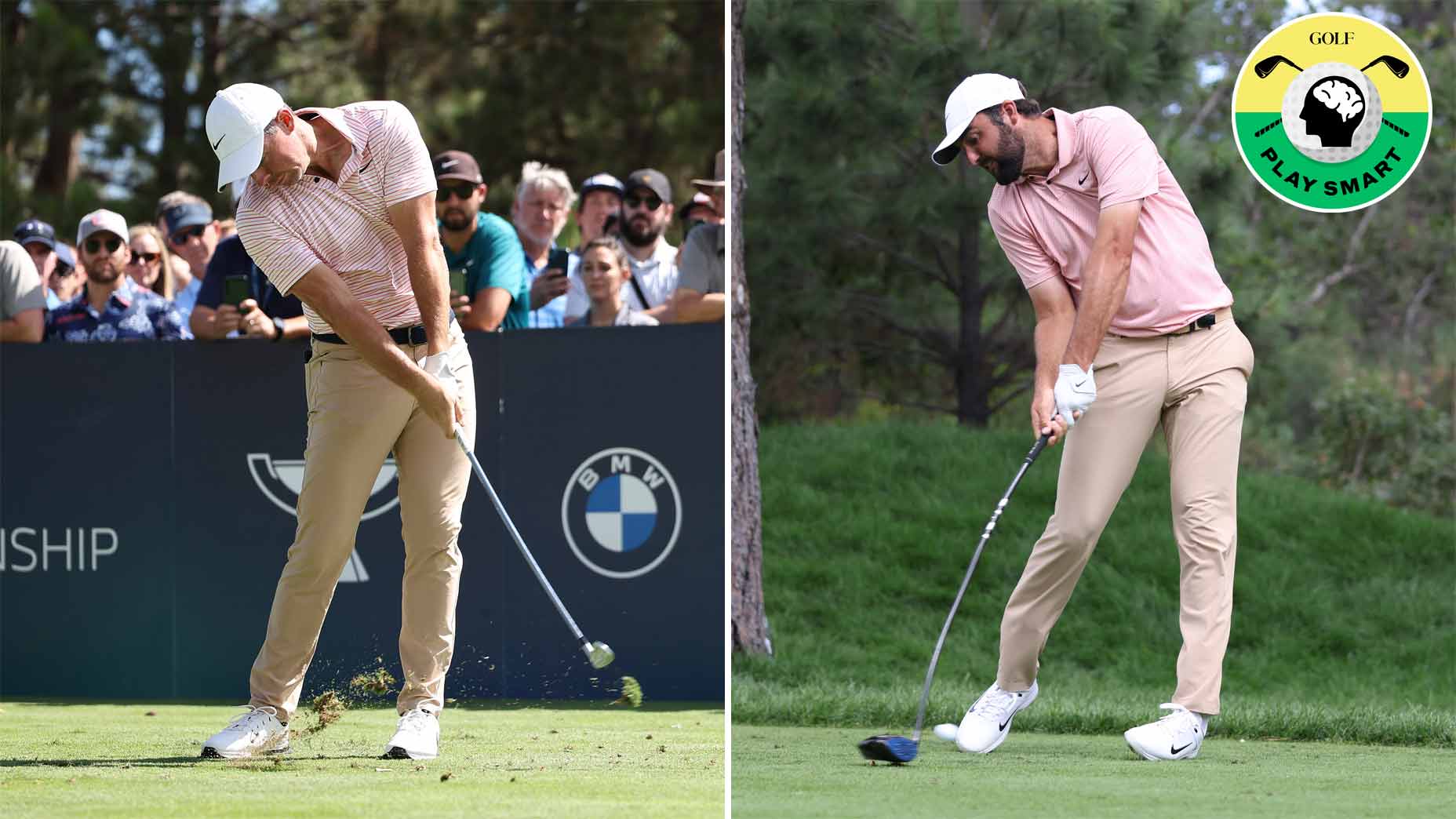
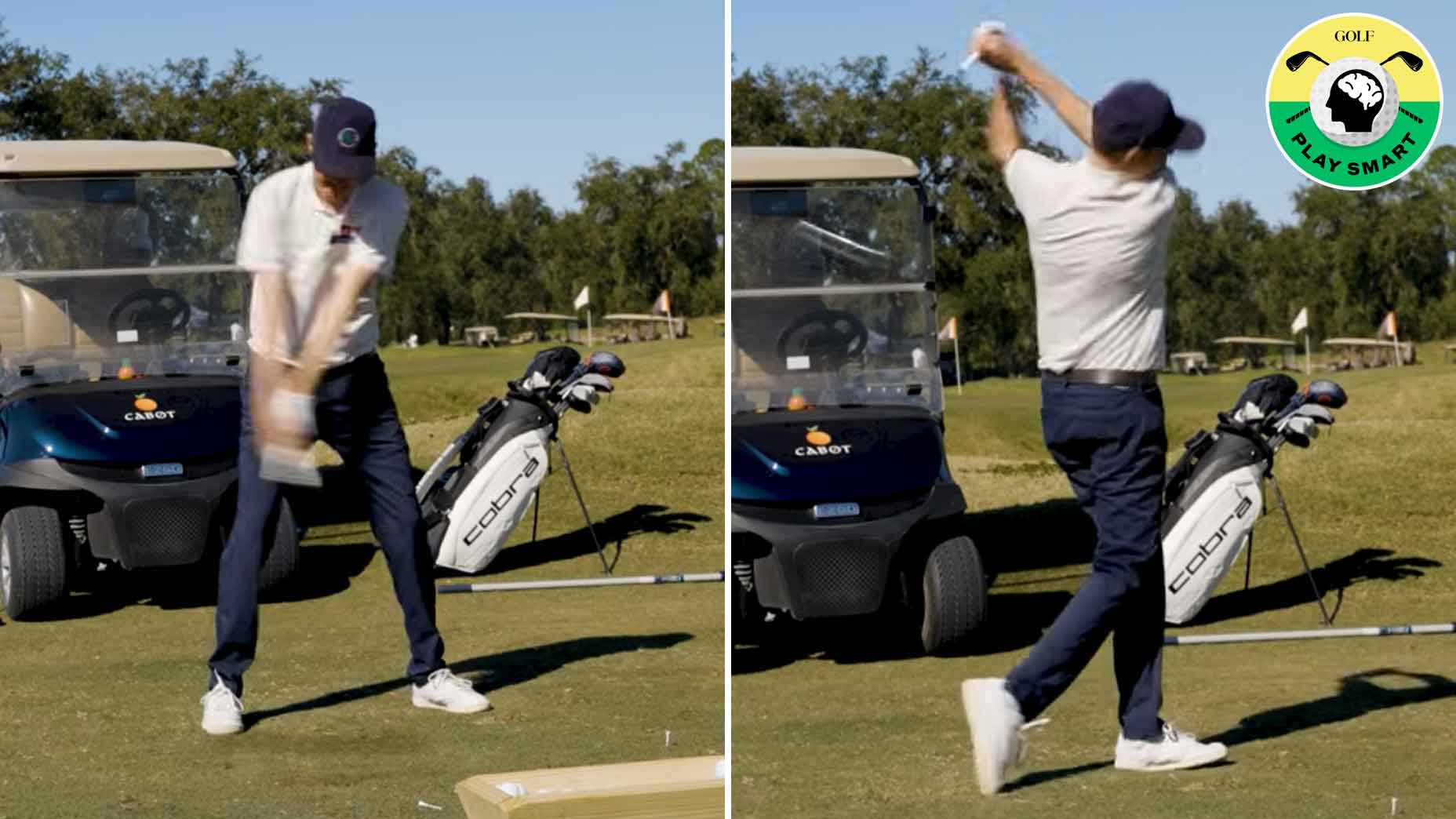
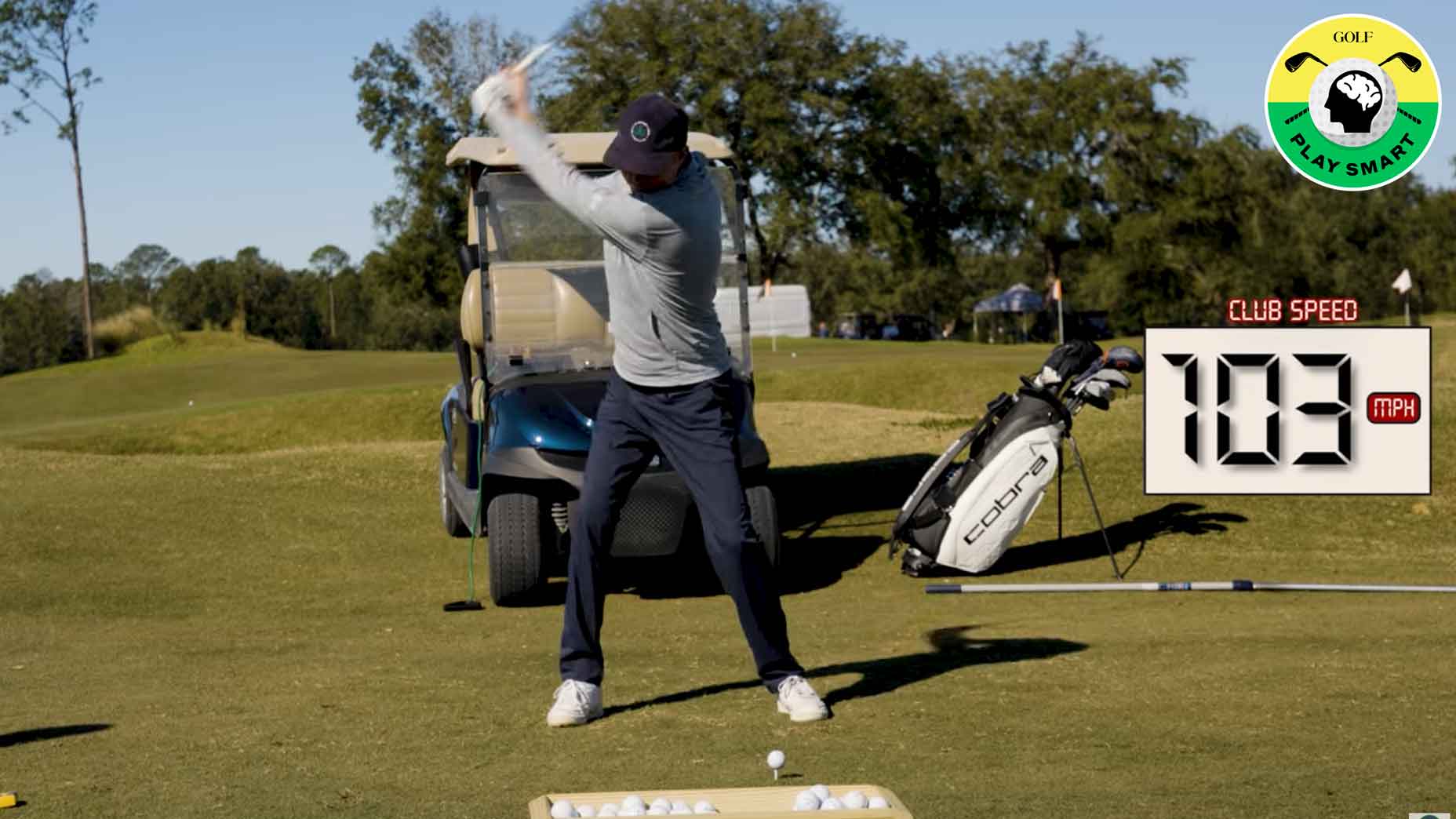
When you use a couple steps to run up on the ball and make a swing, you’re using physics to your advantage to generate power. One of the key tenets of generating power in the golf swing is by using the ground to your advantage, and a Happy Gilmore swing does a wonderful job of that.
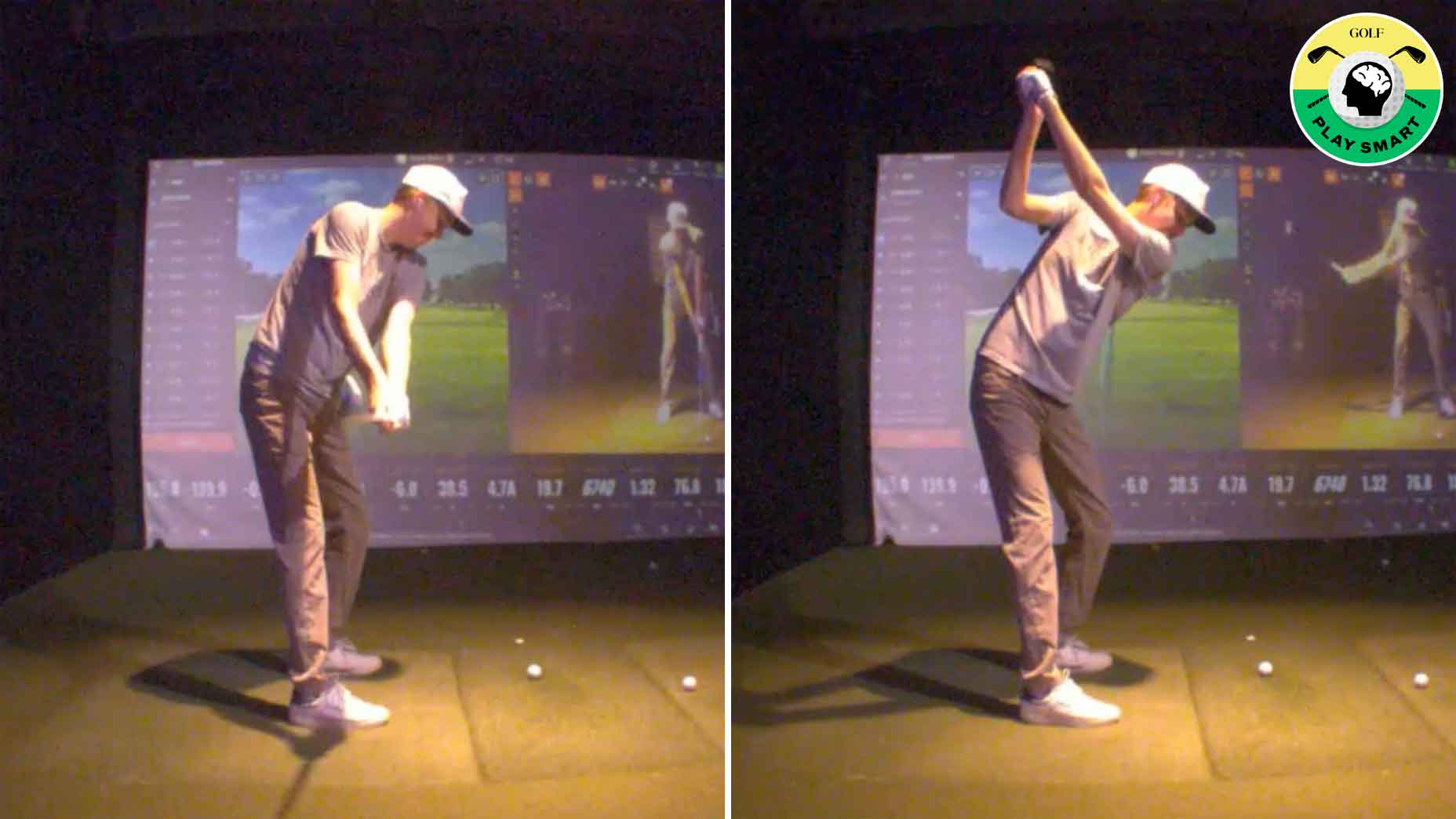
As you use the run up into the ball, you will plant your lead foot into the ground as you complete the backswing. As you do this, you’ll naturally push into that foot, which will then allow the ground to push back and start the ground reaction forces.
“This is a great position for kids or even adults to practice from because it creates a lot of power,” Harrington says. “It does all that ground-force work that they talk about without much going on.”
Happy Gilmore’s weight transfer
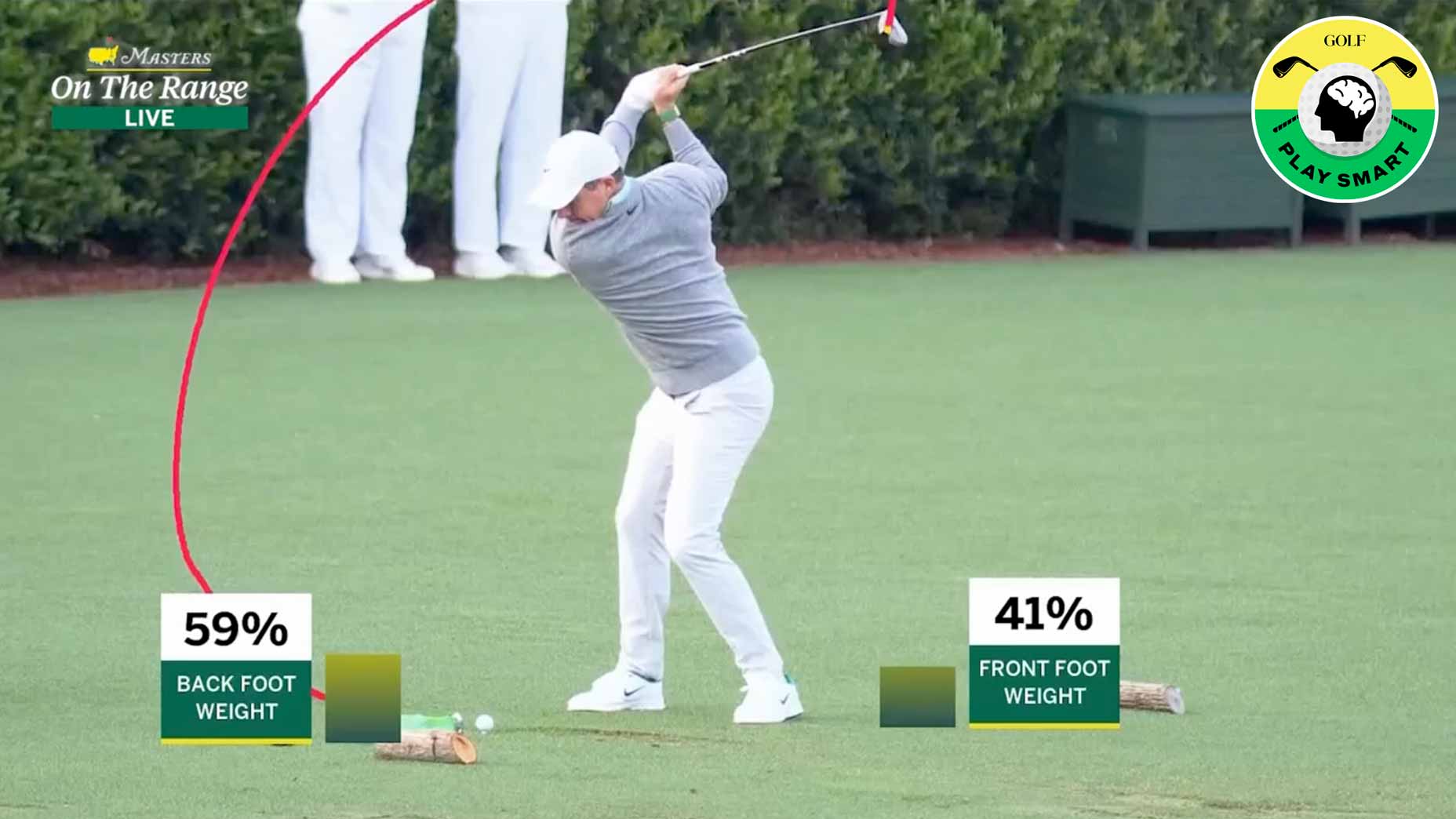
Another great element of the Happy Gimore swing is the way it forces you to properly transfer your weight. When you run up and make a swing, you will naturally start your weight shift before you finish the backswing, which is something the longest hitter in the world do.
“If you can do that, the club is gonna stay on plane,” Harrington says. “Stepping forward, keeping the club going back and forward is probably the best thing a beginner can do for their golf swing.”
This movement is similar to the step drill in that it helps teach proper weight transfer and helps players get the weight to their lead side earlier in the swing.
Takeaways
Happy Gilmore’s swing might be fictional, but the benefits of practicing the move are not. Try it out for yourself and remember these principles, then go back to your normal swing and try to implement the same feels. If you do, you’ll generate more power and hit it better than ever.