Johnny Wunder visited Mitsubishi’s state-of-the-art testing facility in Carlsbad to explore a new way of looking at shaft fitting—and why matching your delivery matters far more than arbitrary flex charts.
Fully Equipped
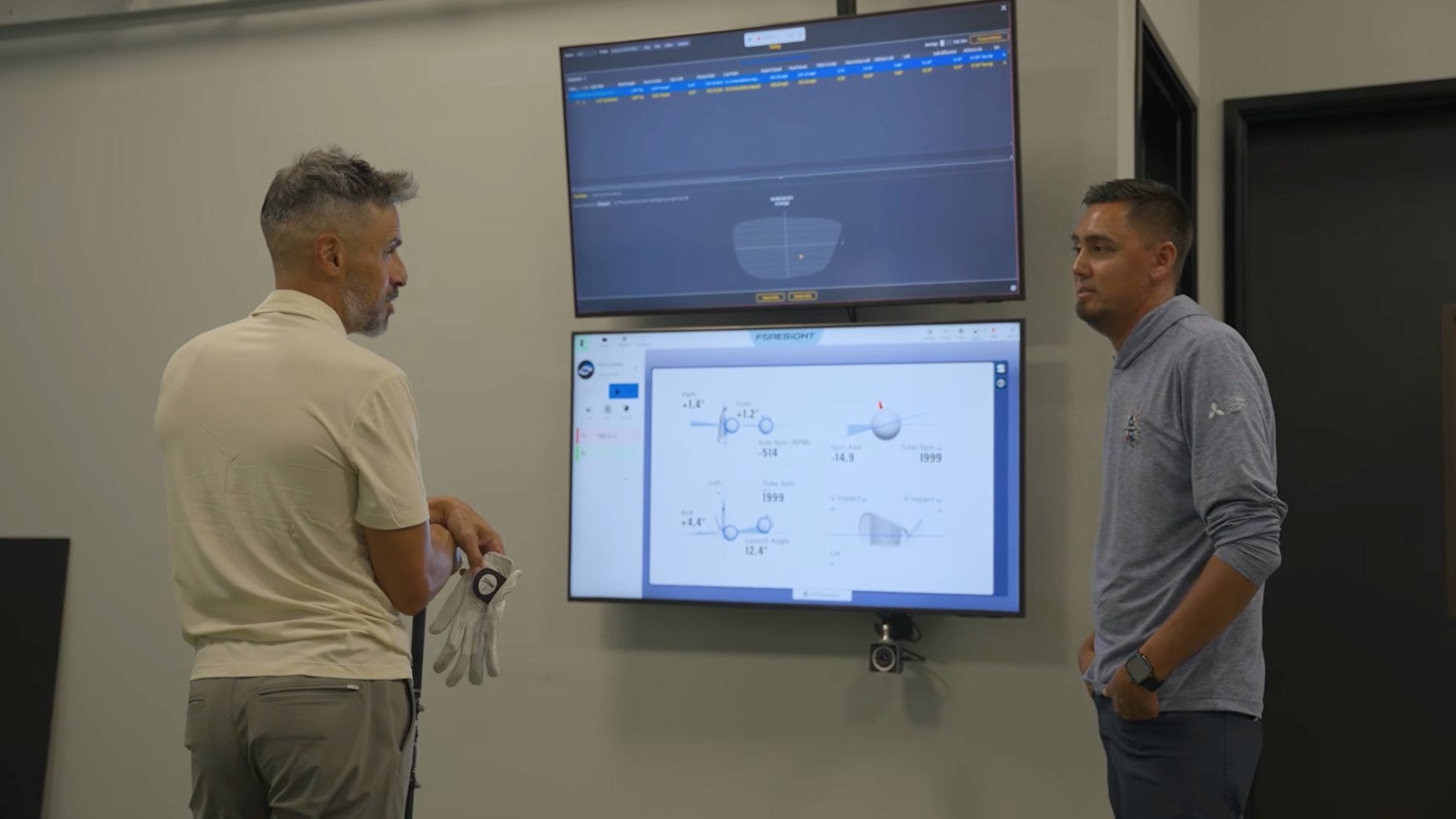
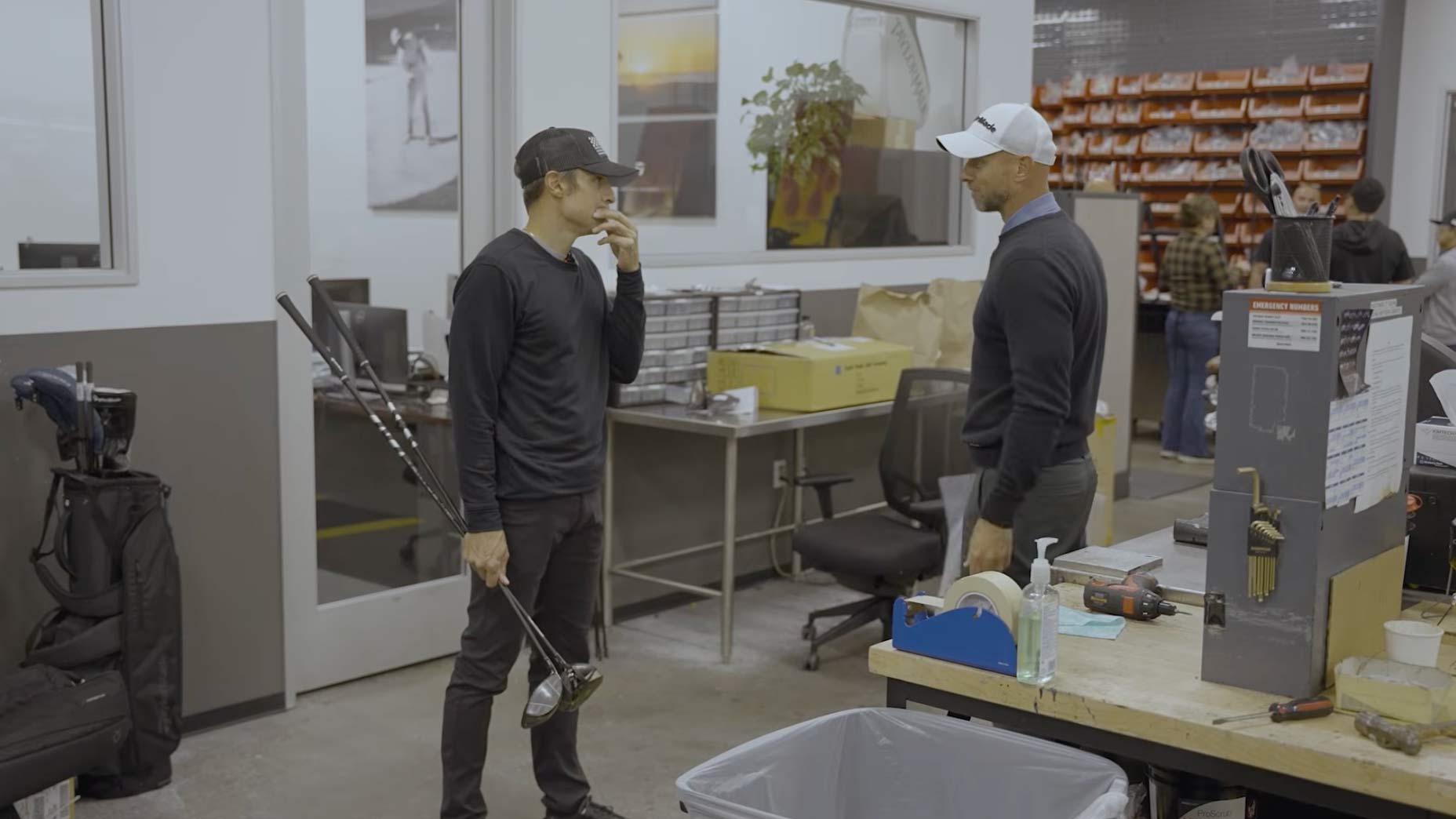
Before we got into our testing, we stopped by Mitsubishi’s new KOBO facility in Carlsbad, California. The place is essentially an R&D playground filled with cameras, robots, and custom shaft-testing machines. It gives you a quick look at why what happens in the lab translates directly to finding the center of the face on the golf course.
Moving Past the Retail Myths
For decades, the equipment side of the game has leaned on a very tidy, convenient narrative: if you swing fast, you need a heavier, stiffer shaft profile that launches low and kills spin. if you swing slower or struggle to get the ball airborne, you need a lighter, softer shaft that launches high. That makes some sense, but it doesn’t tell the full story.
That philosophy does make for clean charts on retail display walls and simple color-coded fitting matrices. But if you spend real time inside an R&D bay looking at 3D motion data, you quickly realize shaft performance is rarely that black and white. In reality, a golf shaft is an intensely personal timing device. How it interacts with your hands, your transition, and your delivery pattern matters far more than arbitrary category labels on the side of the graphite.
Working through Mitsubishi’s M-LAB protocol alongside Jason Felicitas, whose job description includes Tour Performance and Fitting Innovation, the objective went beyond just chasing an optimized launch monitor screen. It was about looking under the hood to see what the shaft actually does throughout the swing—and why what looks great on paper often fails out on the golf course.
Shafts Don’t Launch the Ball—Heads Do
One of the most persistent misconceptions in golf equipment is that the shaft has a heavy hand for launch and spin.
The truth is that the clubhead and impact physics dictate how the golf ball flies. The shaft’s primary job is to deliver that clubhead to impact consistently, square to the path, and centered on the face, to make all the rest possible.
When evaluating swings on high-speed 3D optical capture systems like GEARS, you see that a shaft profile doesn’t magically alter launch angles on its own. Instead, variations in butt stiffness, mid-section flex, and tip stability directly influence how the shaft droops under load, how quickly the face rotates closed into impact (closure rate), and how your body responds to the weight and bend profile at transition.
If a shaft profile doesn’t match your natural release pattern, your hands and body will subconsciously compensate. You might hold off the release, cast early from the top, or alter your path simply because the clubhead doesn’t feel like it’s where it belongs. The moment you have to consciously time a shaft rather than swing naturally, your dispersion widens and your centeredness of contact drops.
Testing Across the Profile Spectrum
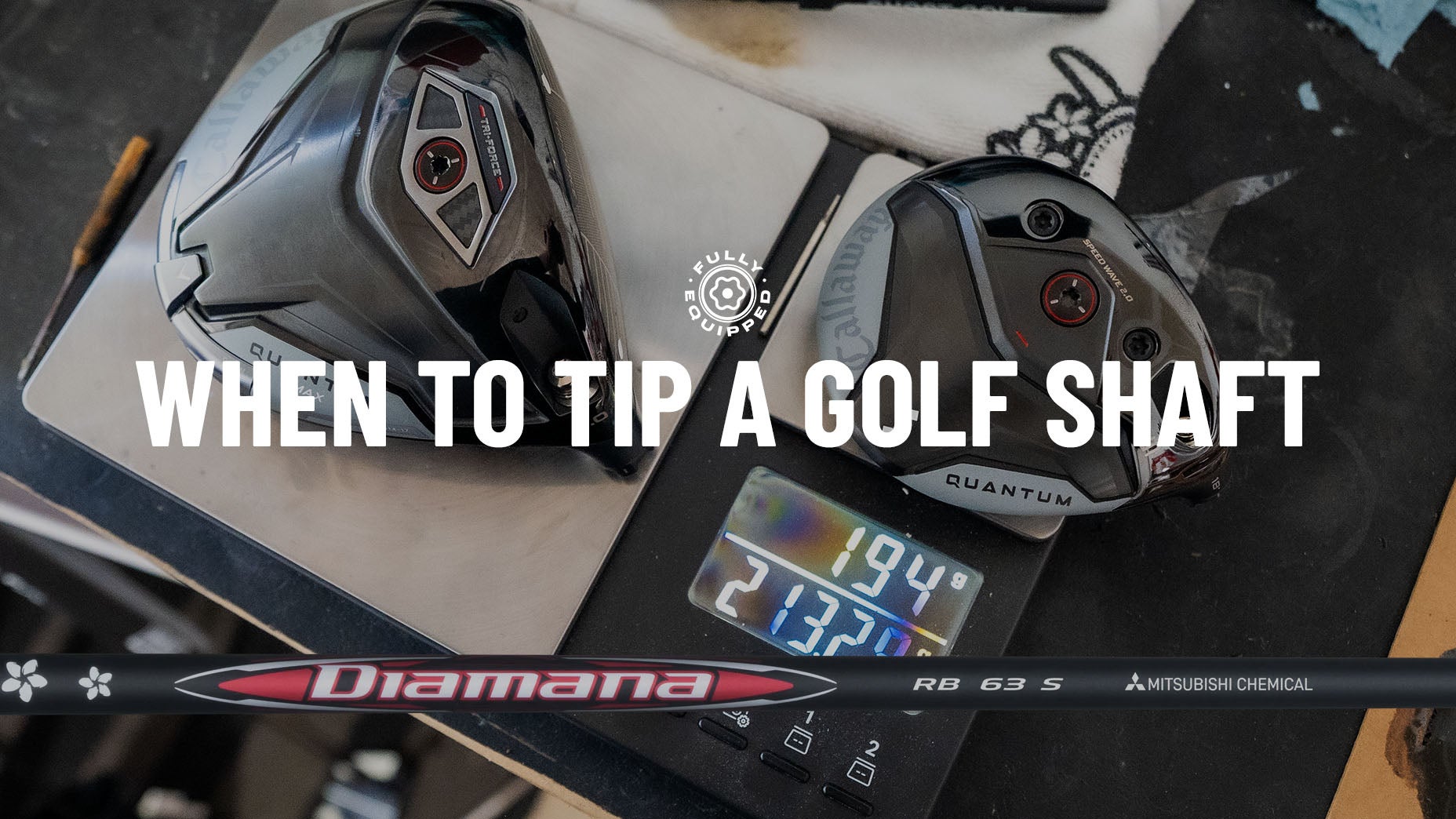
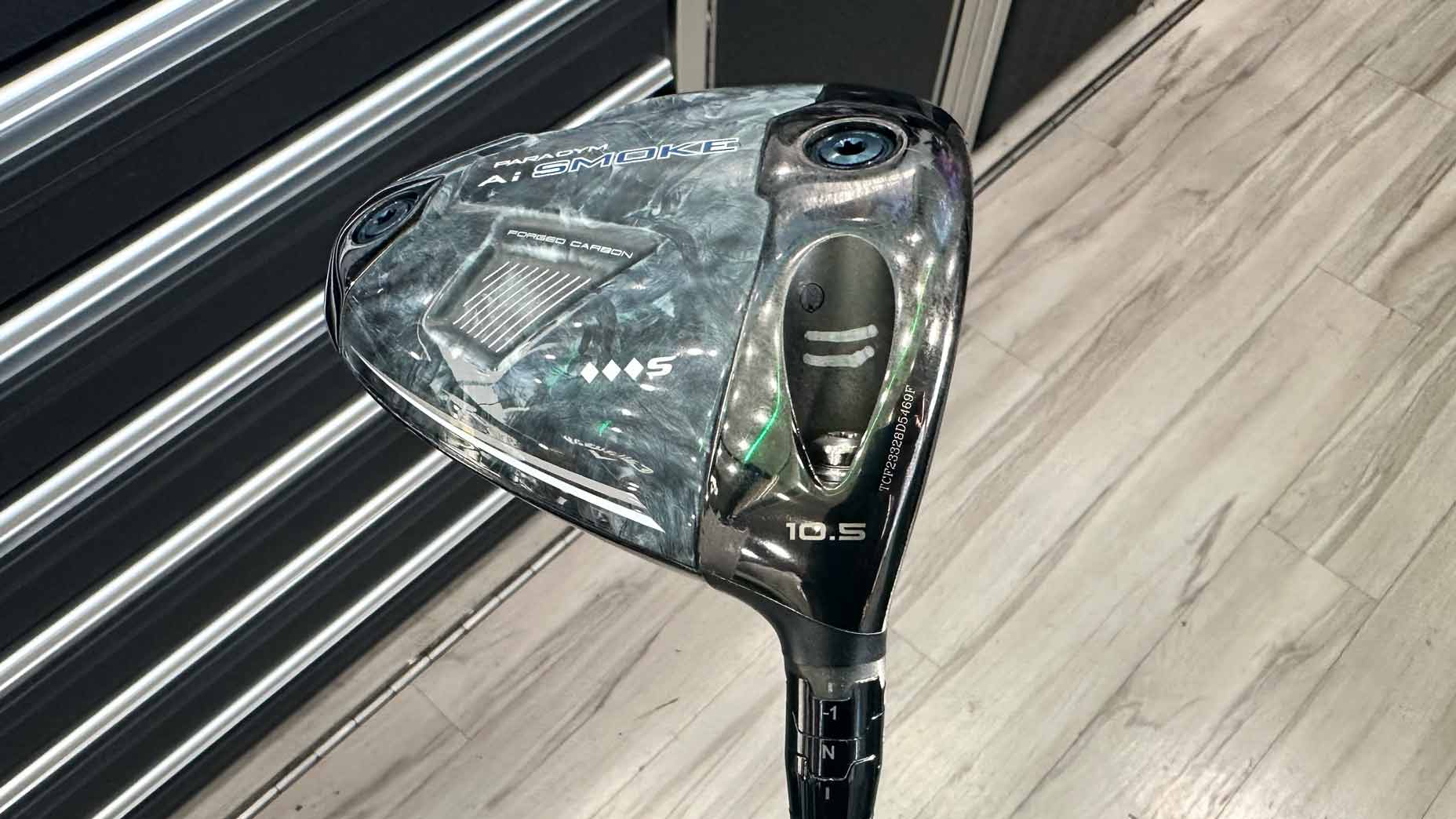
To see how the body reacts to distinct shaft profiles, we ran through three foundational design philosophies across Mitsubishi’s Diamana platform using the exact same driver head:
The Diamana BB (Blue Board) is the second profile in the latest generation of Diamana shafts. It features the traditional branding that made Diamana popular, including a return to the original 53/63/73/83 weight class designations. This shaft incorporates advanced engineering and material innovation, making it a top choice on tour. Key Features: Maximum Energy Transfer: Utilizes super high-modulus 80-Ton Dialead Pitch Fiber in the butt section. Greater Stability: Employs high modulus 46-ton fiber in the shaft’s angle plies to lower torque. Enhanced Feel and Durability: Mitsubishi’s proprietary Xlink Tech system increases the overall strength and durability of the shaft while enhancing carbon fiber volume for a superior feel.
The Whiteboard Profile (Stiff Tip, Firmer Overall): Traditionally categorized as low-launch and low-spin. For aggressive transitions, it provides stability and limits excessive droop or twist. However, because it resists closing as quickly through impact, a player who relies on face rotation to turn the ball over might leave the face slightly open, resulting in high-right misses. Again this is a broad description. I’ve seen it help players draw it, too.
The Blueboard Profile (Balanced, Smooth Mid-Flex): The middle-ground design with a smooth transition from handle to tip. For many golfers, this balanced stiffness distribution allows the hands to sense where the clubhead is at the top of the backswing without feeling boardy. In testing, this produced the most consistent center-face strikes and tightest shot patterns because the delivery required zero manipulation.
The Redboard Profile (Active Tip, Stable Handle): Traditionally viewed as a “high-launch” option for moderate swing speeds. But modern builds pair an active tip with extremely low torque. For a player who comes significantly from the inside and battles an over-hook, an active tip with a stable handle can allow them to swing freely without fear of the face shutting down violently through impact.
Dispelling the Swing Speed and Flex Myths
Evaluating how these profiles perform in real time highlights why standard fitting rules often fall apart for everyday golfers.
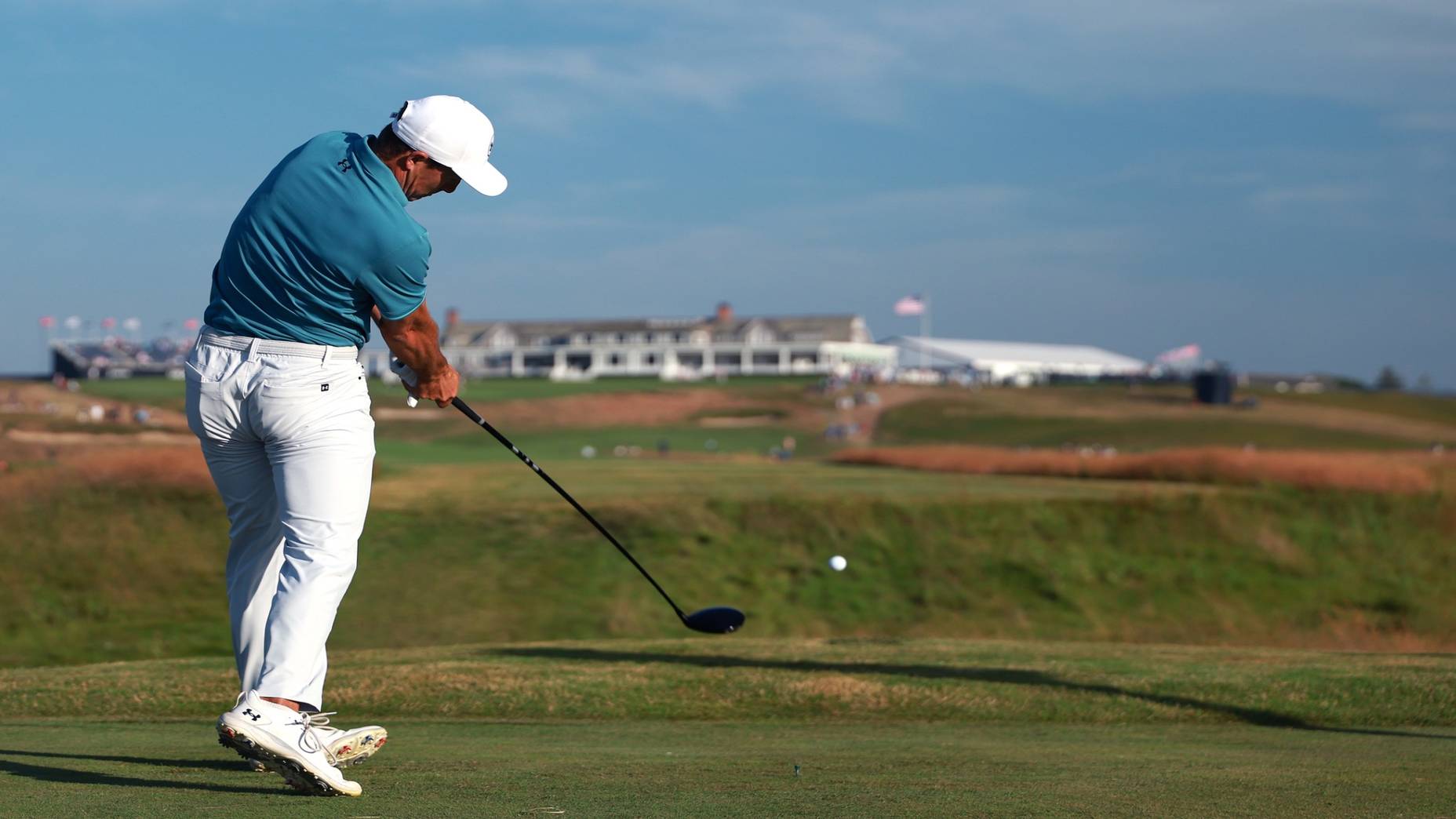
High swing speeds do not automatically require board-stiff shafts. On professional tours, there are players swinging over 120 mph who play 60-gram shafts or softer tip profiles because it allows them to load the club properly and square the face without over-relying on violent hand action. Also keep in mind that not all PGA Tour players have an upward angle of attack like a Rory McIlroy. Players like Xander Schauffele tend to live in the 0 to -1 realm.
Conversely, moderate swing speeds are not restricted to high-launch profiles. A golfer with a 90 mph swing speed who has an aggressive change of direction from the top might lose track of the face completely with a soft profile, finding far better center-contact and tighter dispersion in a stout, linear design.
Furthermore, “stability” is largely a feel metric. Whether looking at Tour X (TX) or standard X-flex, differences often come down to subtle variations in torque and material placement. If a shaft feels too loose, you will hesitate; if it feels like rebar, you will over-swing to compensate.
Centered Contact Is the Ultimate Benchmark
When evaluating a driver setup, the fitting hierarchy must always prioritize real-world delivery over theoretical launch numbers.
The first step in any fitting is establishing your start line and shot shape to ensure the club delivers the face where you expect. From there, the focus shifts entirely to impact location and whether you are consistently finding the center of the face. Finally, feel and transition ensure you can repeat that swing without conscious manipulation.
When strike location stays within a tight, dime-sized area on the face, ball speed remains consistent, spin numbers stay stable, and misses remain playable. That consistency comes from a shaft that works in harmony with your natural mechanics—not from chasing a generic label on a fitting cart.
If you are looking to dial in your driver, look beyond flex designations and static charts. Pay attention to your start lines, where you tend to hit the ball on the face, and how naturally you can release the club. When those three variables line up, you’ll find the shaft that actually belongs in your bag.
Johnny currently serves as the Director of Equipment at Golf.com, contributing to platforms like Fully Equipped Golf. Prior to this role, he was the Content Marketing Manager at Callaway Golf, where he led “Callaway Golf’s World of Wunder,” a platform dedicated to in-depth golf equipment content. Before joining Callaway, he was the Director of Original Content and host of “The Gear Dive” podcast at GolfWRX.com. Beyond his professional endeavors, Johnny is an avid golfer with a deep passion for the game, having played since his youth in Seattle, Washington.