This past week, the top 50 PGA Tour players in the FedEx Cup rankings took on Caves Valley Golf Club for the 2025 BMW Championship, the second to last stop in the PGA Tour Playoffs. Among them was fan favorite Rickie Fowler, who had an impressive T7 finish with a final score of one-under-par.
“Been a lot of good stuff. Been a fun run through the summer. Nice to have a chance, and other than really the one swing to execute and play the way I did,” Fowler said in a press conference after Sunday’s round.
While his finish in Maryland wasn’t enough for him to slip into this week’s top 30 at East Lake, it’s clear that Fowler has been in excellent form with seven top-30 finishes in his last nine events to close his season. He attributes his strong performances to a renewed commitment to his health and fitness.
“I’m really happy with where things ended up going,” he said when asked if he felt rejuvenated for the fall. “I want to get the body into a better spot, so that’s kind of my first priority, and then go from there.”
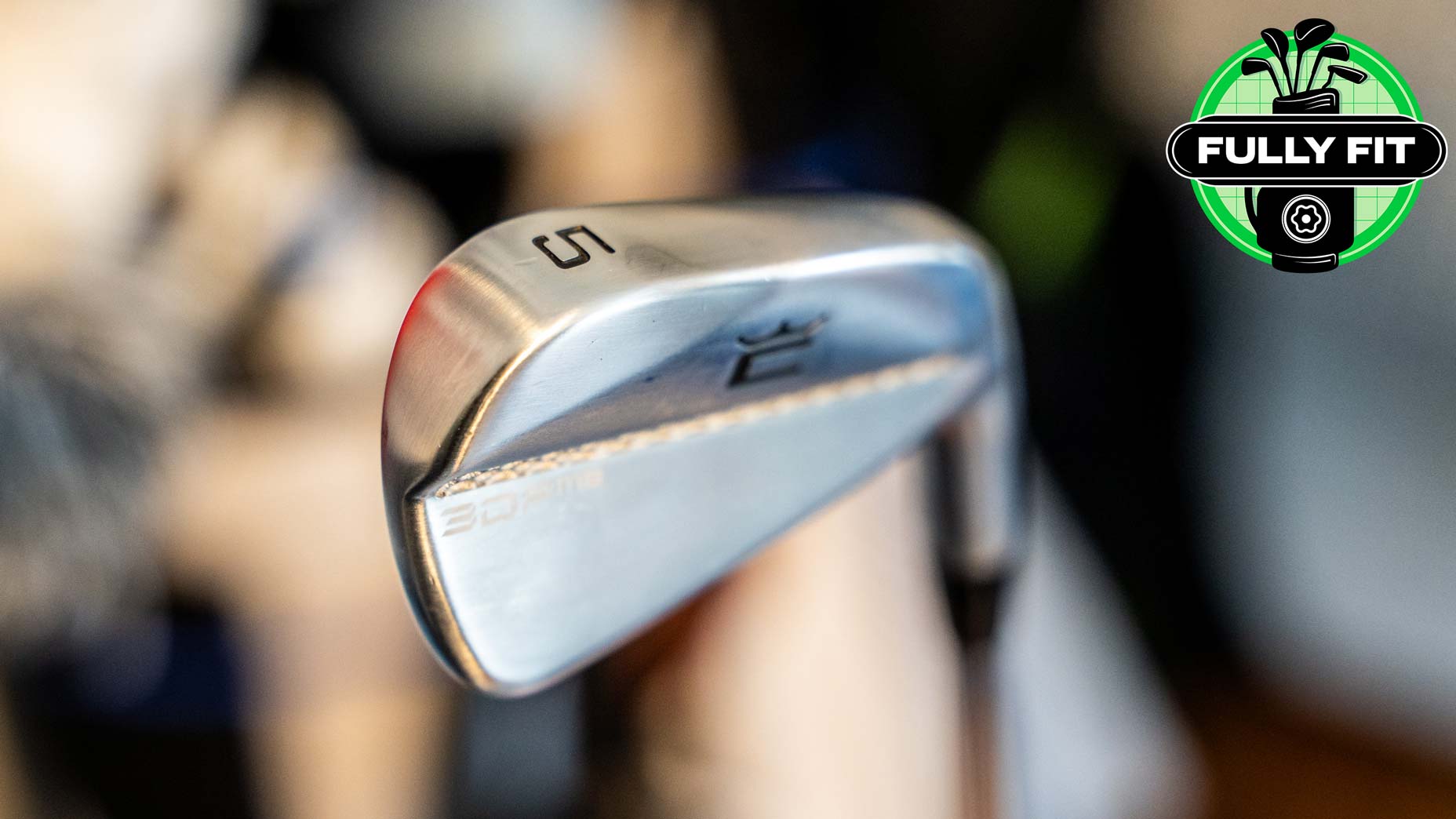
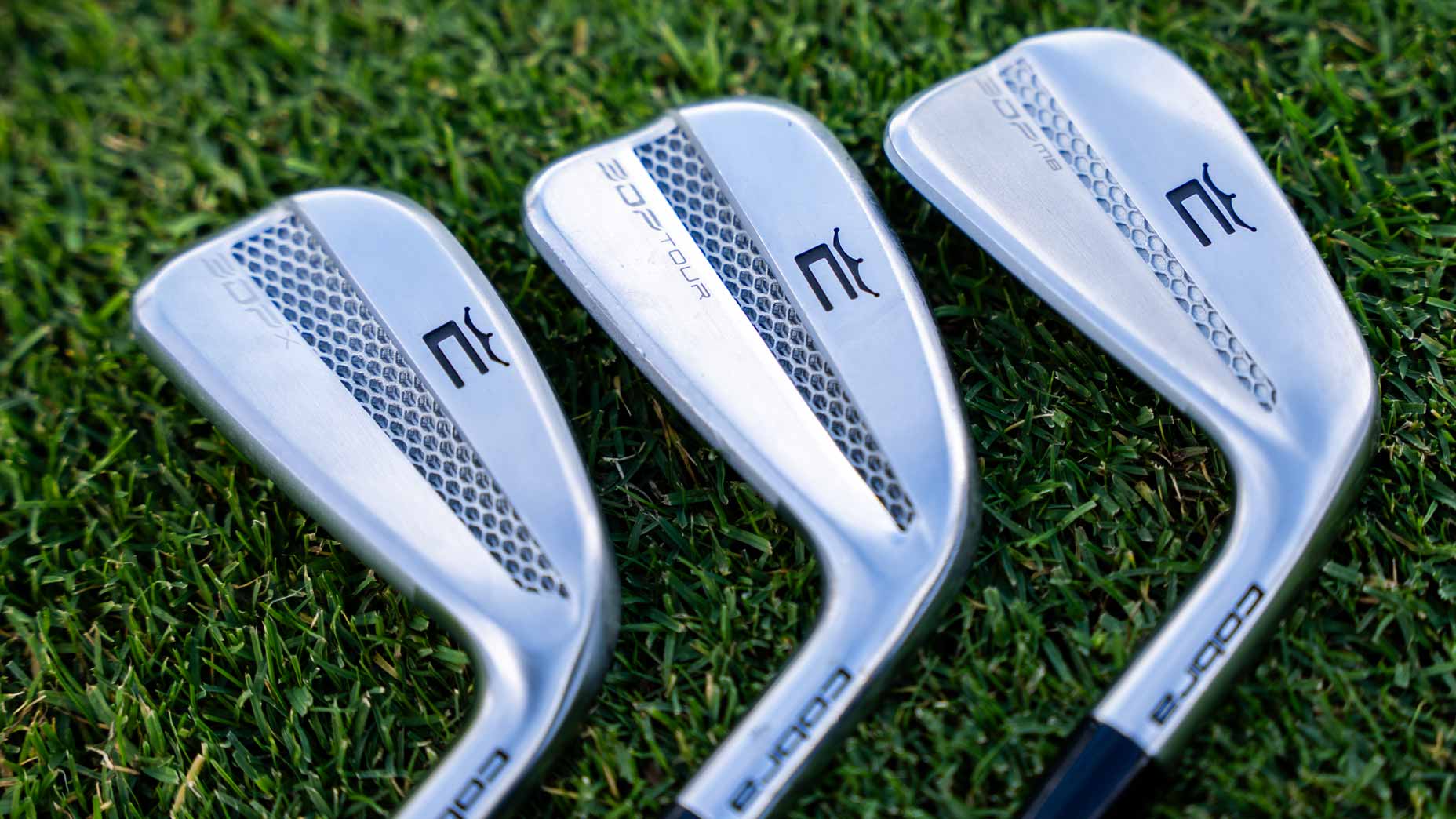
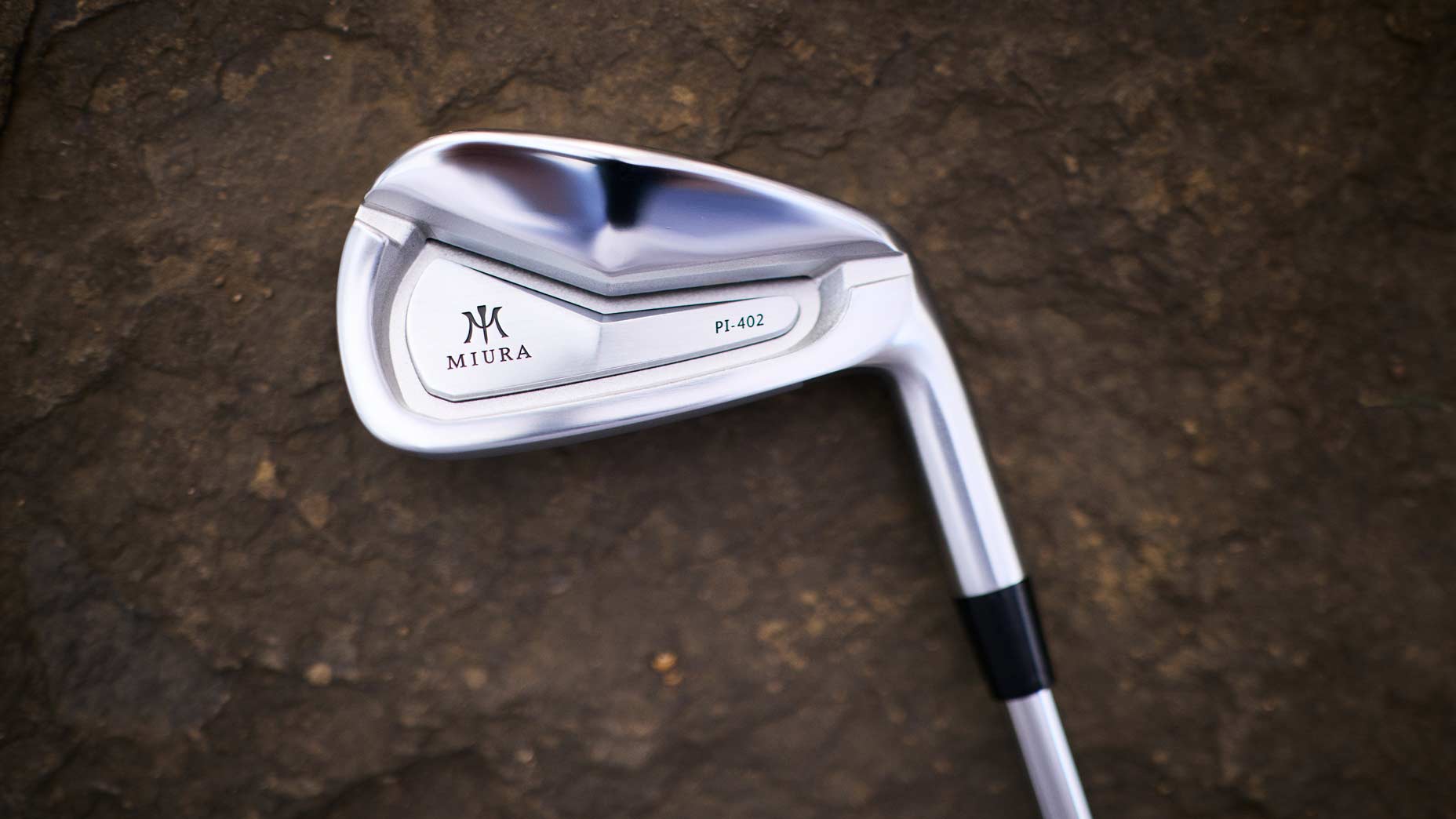
A key factor that has contributed to impressive performance over the last few months? Fowler made a notable equipment change, moving from the KBS Tour C-Taper 125-gram steel shafts that we’ve seen in his Cobra King Tour irons, to graphite Aerotech SteelFiber 125cw shafts—a change he debuted at the Travelers Championship.

Aerotech Steelfiber Tapered Iron Shaft
View Product
“It’s something that’s a little easier on the body and seemed like it got very similar numbers to where I was at,” Fowler said in a press conference at the Wyndham Championship.
Why switch if his previous shafts were weighted the same and producing nearly identical results? As GOLF’s resident equipment expert Johnny Wunder explains, it all comes down to feel.
“If a player really responds to the feel of a shaft, a lot of the external things—like launch or spin—fall into place. Everything starts to harmonize with the player,” Wunder said.
We also have to take into consideration that Fowler was looking for something that’s easier on the body, and as Wunder explains, graphite can be a great option for players who want a shaft that delivers less harsh feedback through impact.
“Because of the vibration dampening of graphite, these shafts help a little bit with that,” Wunder says.
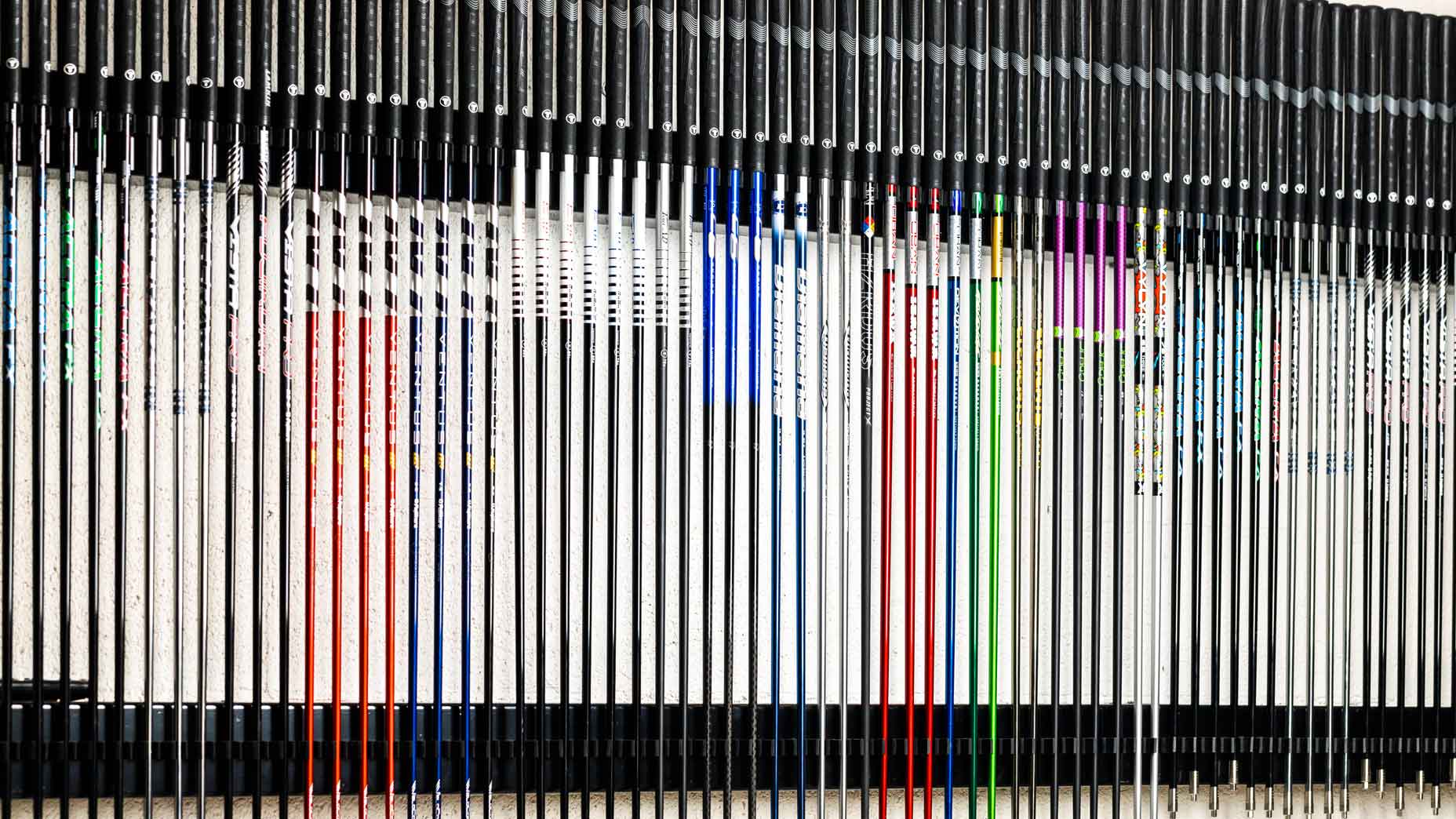
Why getting fit for your golf shafts is essential | Fully Equipped
With the right shaft for your swing, that softer feel can reduce tension, minimize fatigue, and even support better sequencing and tempo. But, this softer feel doesn’t mean a softer flex, in fact Wunder explains it might mean the exact opposite.
“At a tour level, graphite shafts in the heavier flexes (like Fowler’s 125 gram shafts) get very stout—like, super stiff,” he said.
That increased stiffness can also translate to increased stability, which Wunder says is crucial for preventing unwanted shaft movement through impact.
You might also wonder why Fowler switched from low-launching shafts to mid-launching shafts. According to Wunder, shafts don’t always react the way they’re necessarily designed to, because it’s all dependent on the player.
“Shafts are timing mechanisms, and everyone reacts to a shaft differently. A shaft might be labeled ‘high launching, low spin’ on a robot, but that’s not gospel for every player—some might actually hit it really low,” he said. “That’s why getting fit is so important.
“You don’t know until you try. Shaft companies are essentially giving you different clock hands for your timing, and you have to figure out which one fits your rhythm. Like a drummer in a band setting the pace, your shaft is your rhythm keeper—the glue that holds it all together.”