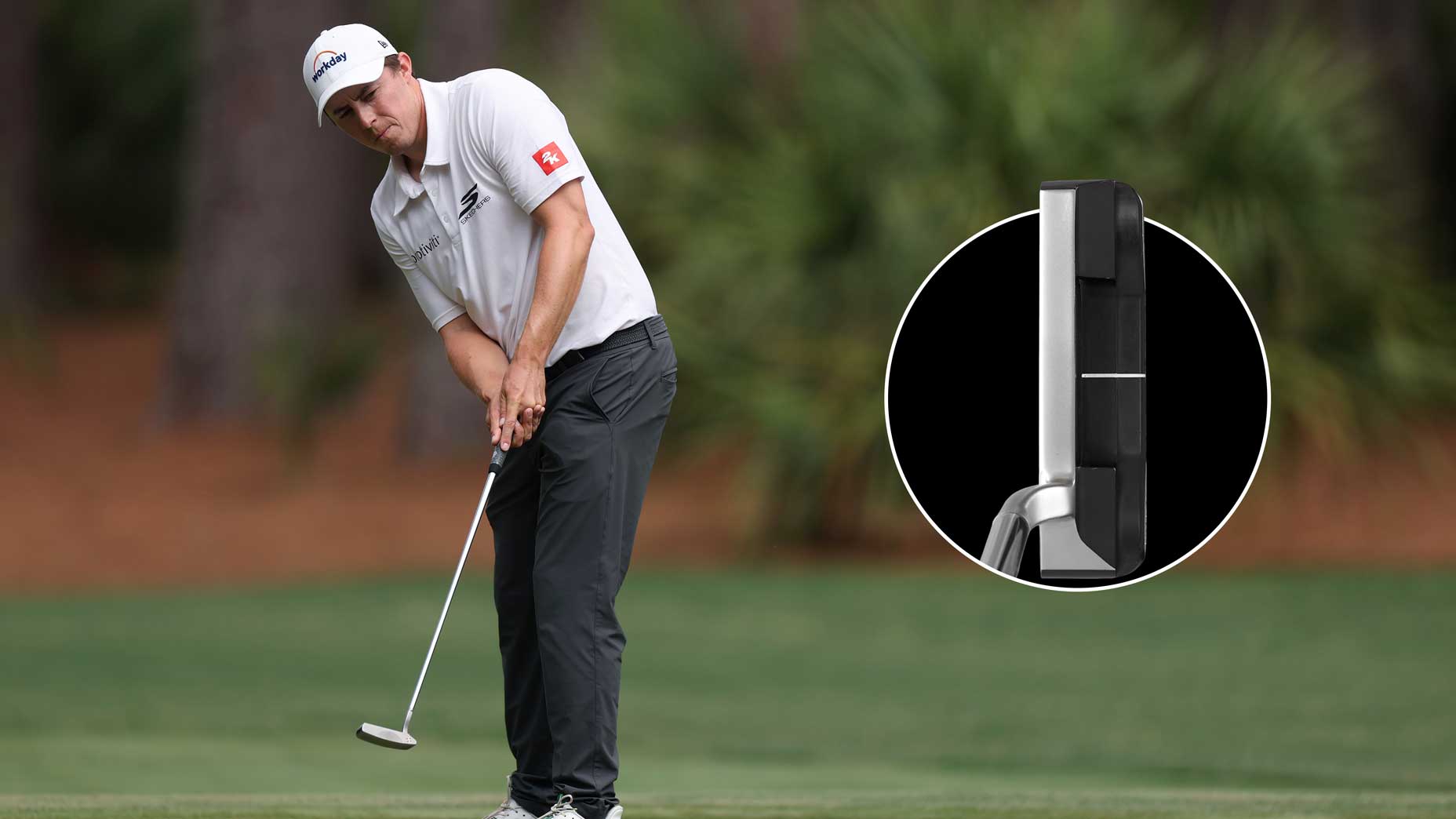
By now you’ve been told enough times that Fujikura sort of dominated the PGA Tour this year. They captured a clean sweep at the majors with Ventus Black, they won 24 of 39 tournaments overall and led the metal woods shaft category in all but one of those events. They also won number one shaft on LIV, and have a Fujikura shaft in the hands of World No. 1 Scottie Sheffler, No. 2 Rory McIllroy and in the bag of recent first time winner Tommy Fleetwood at the Tour Championship.
Domination in Fitting Bays
So the question then is… why? How can a shaft family be this dominant? It’s not something that happens often, specifically with golf shafts.
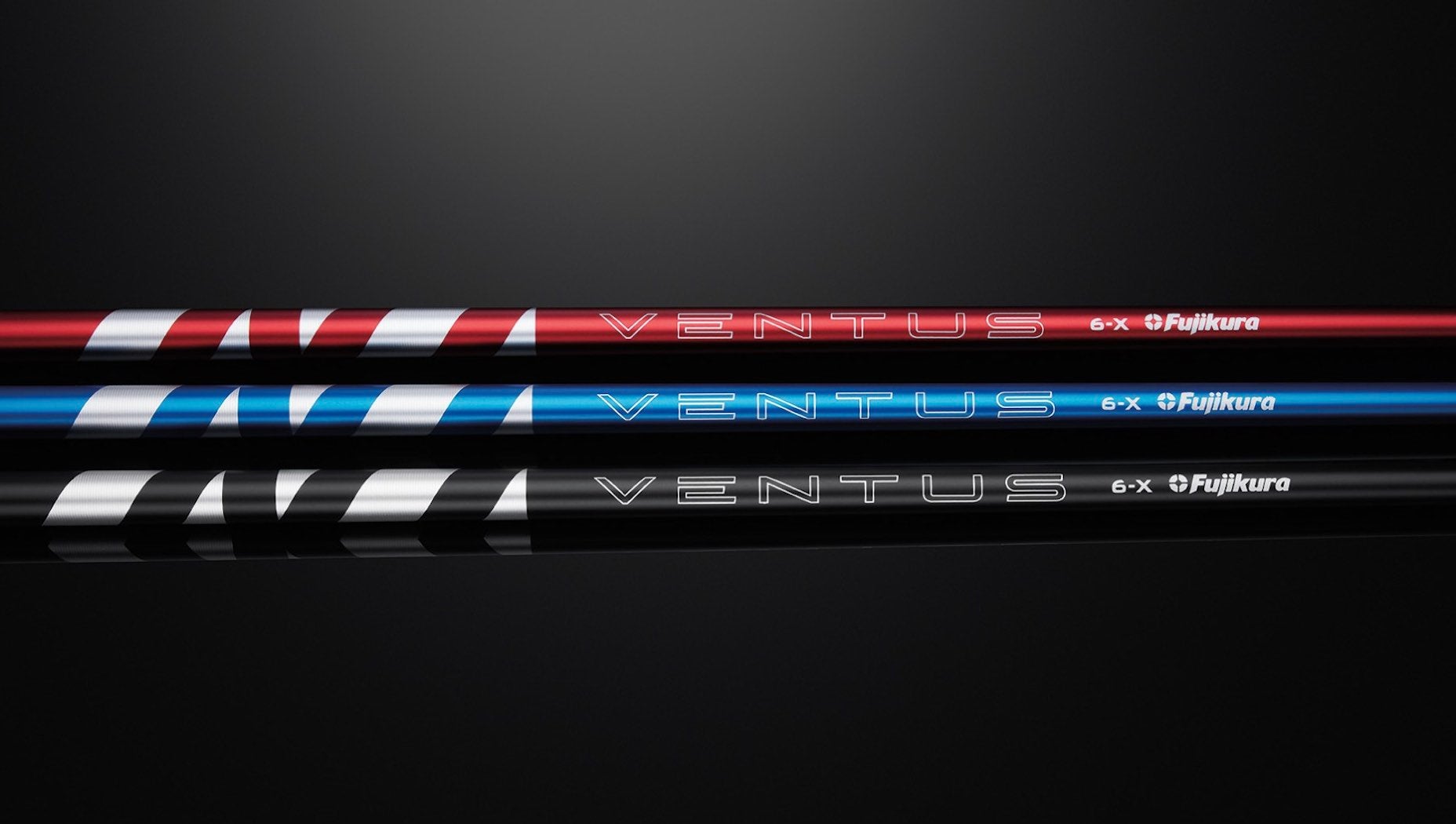
Since it’s launch there have been a few key variables of Fujikura’s Ventus Families that have made them such a crowd favorite, and I’ve been hearing the same things over and over again from fitters for the last couple of years.
Regardless of which Ventus lineup you get fit into (OG, TR, or Velo+), each lineup is in sync — meaning that moving from one profile color to the next is very harmonious. With the Ventus, feel doesn’t change a ton in the hands, and the player doesn’t feel like they have to swing the shaft differently. Fujikura also did an amazing job educating both the fitter and the player on the lineup, which helps more fitters pull Ventus off the wall more often, but that’s a whole other article to write.
If you want to get a brand new Fujikura Ventus Blue TR like Tommy won with (or any other Ventus) you can snag one now from Fairway Jockey

Fujikura Ventus TR Blue Wood Shaft
View Product
Velocore & Velocore + Technology
Ventus also seems to have this ability to center up contact very quickly thanks to its Velocore (and now Velocore +) technology. With Velocore and Velo+, Fujikura has created a multi-matieral bias core construction that’s designed to keep the shaft more stable through the entire swing. They also use an ultra-high modulus (very resistant to deformation) material so they can be very specific about the layout and the thickness of the graphite throughout the length of each profile. All of this means that the shaft will behave more consistently even with the small variances we have of players from swing to swing. That stability also allows golfers to feel a little bit more free in their swing, which helps to deliver more club head speed.