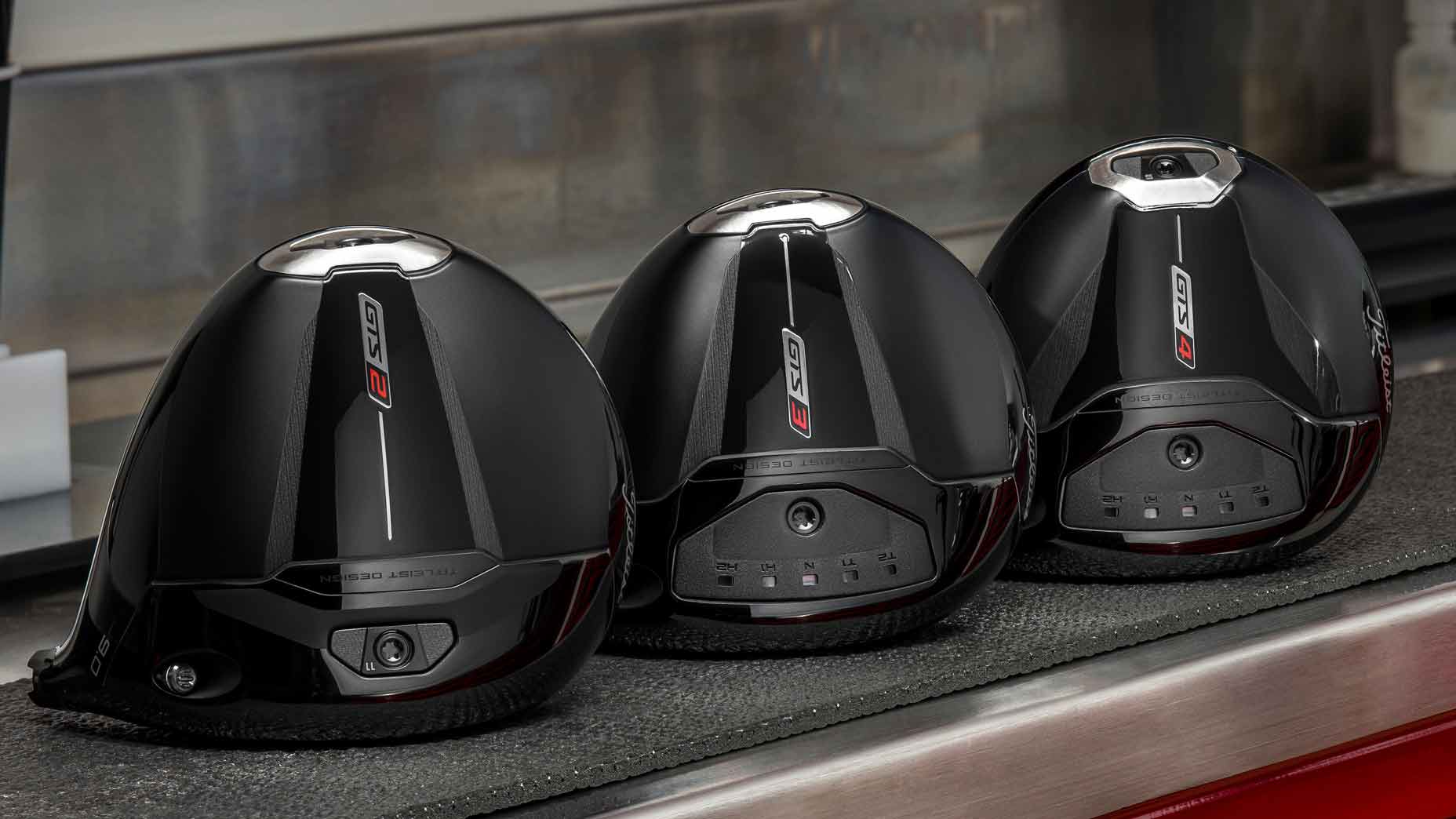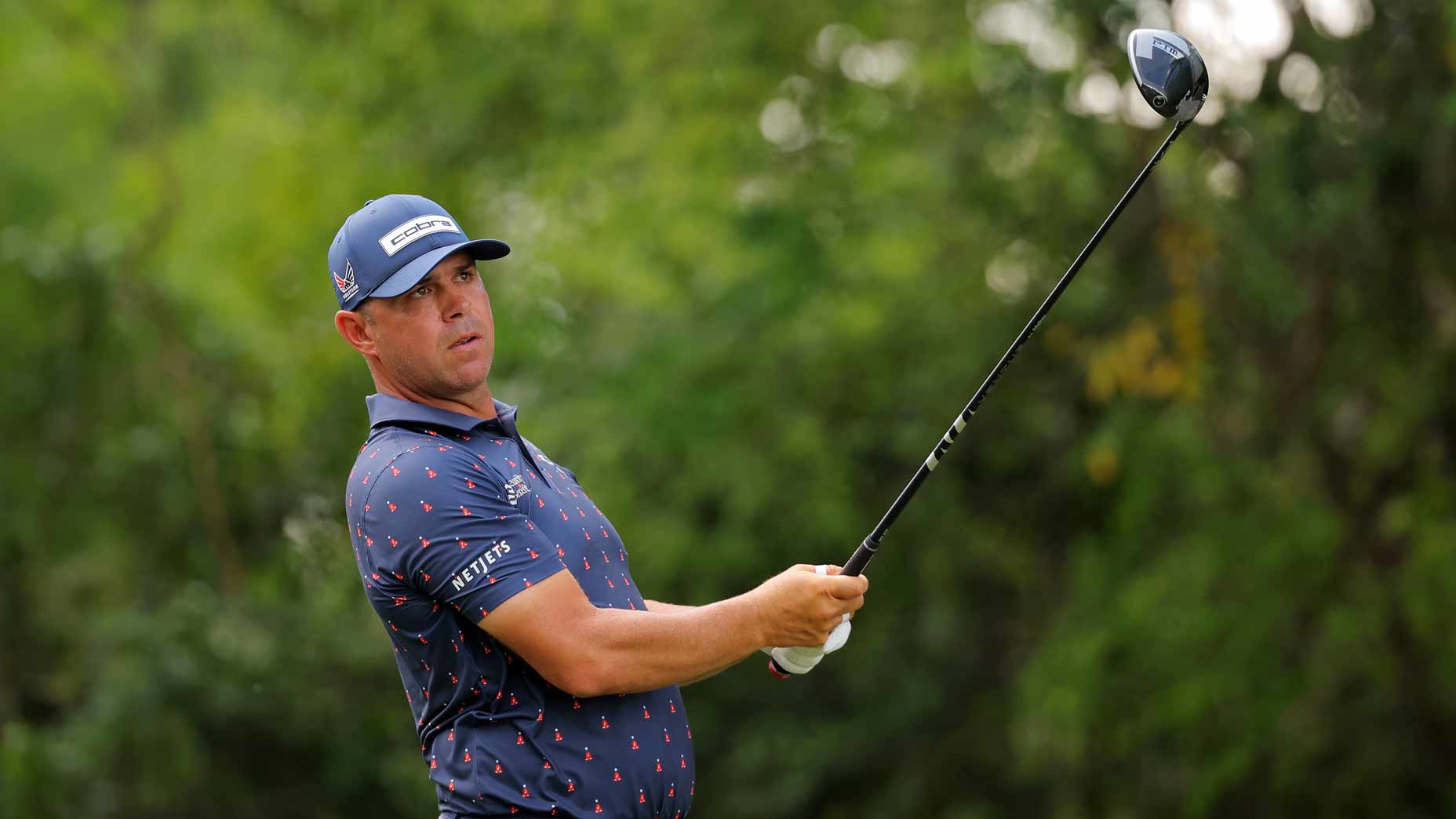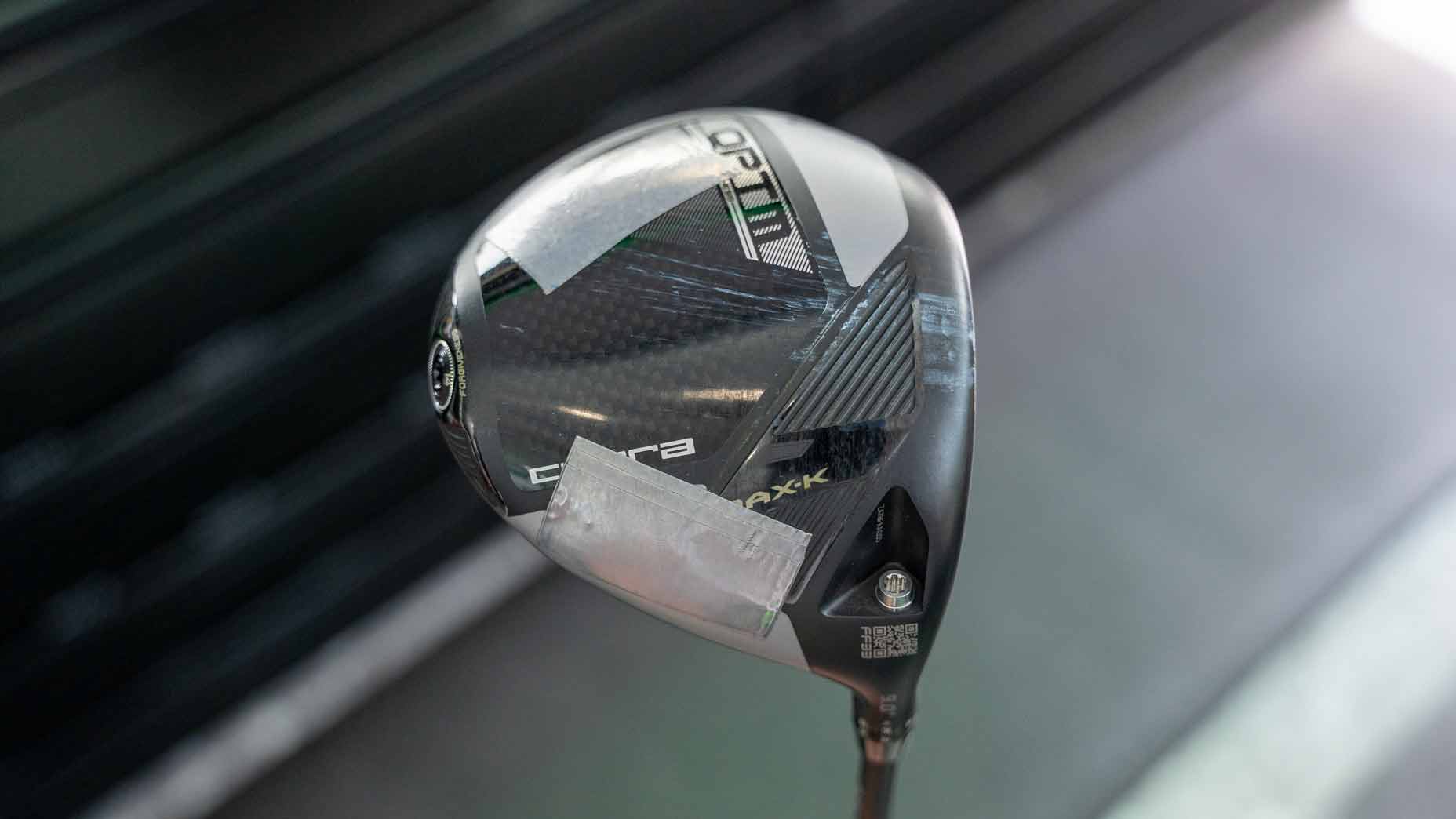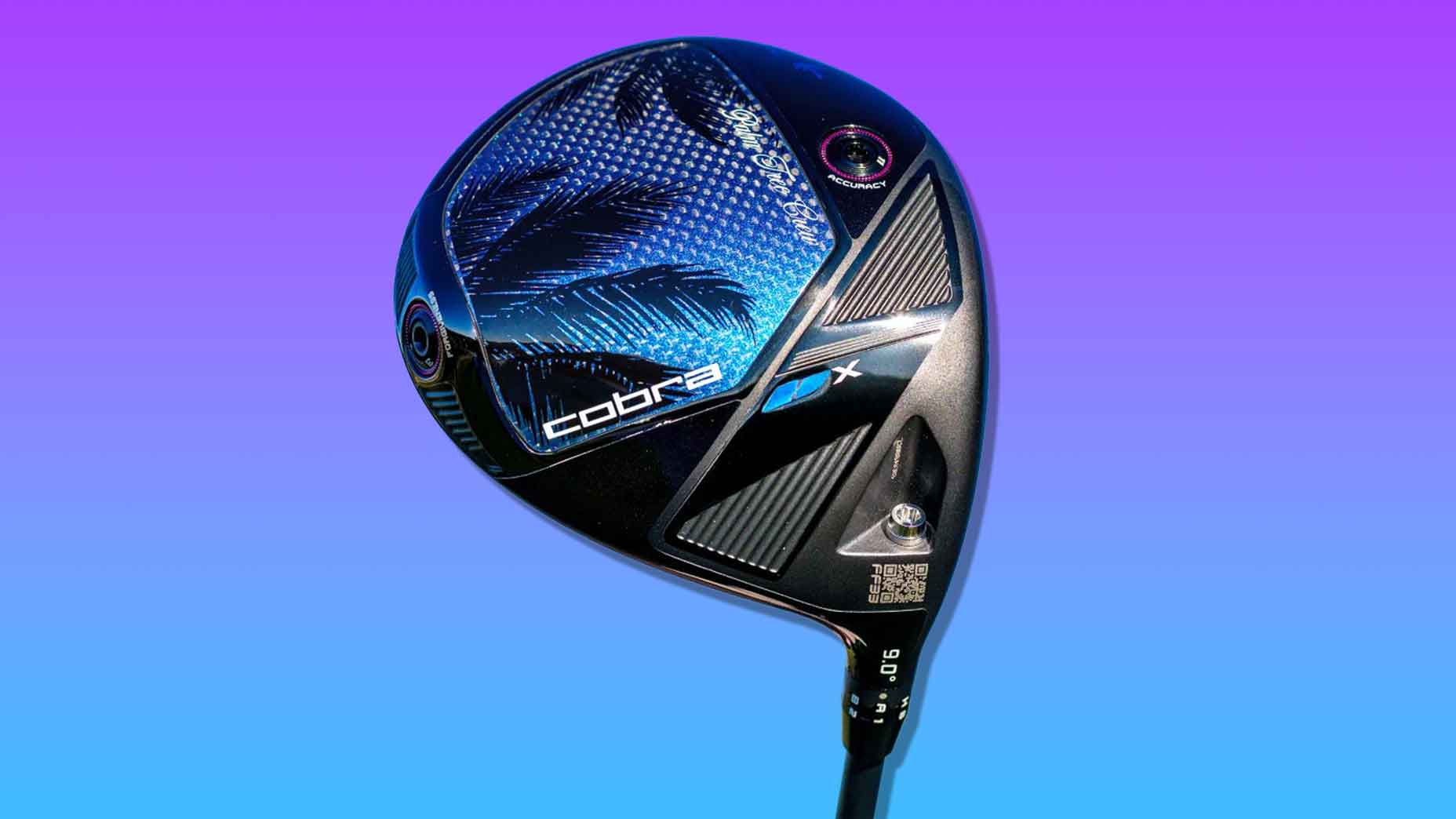
With Gary Woodland winning in Houston using a prototype Cobra OPTM Max-K driver, the days of LS heads dominating the PGA Tour are surely over.
Just a few years ago, it would have been unthinkable for a fast player like Woodland, who leads the PGA Tour in clubhead speed this season, to consider anything other than a compact low-spin style driver.
But thanks to modern technology, more and more players are opting for more forgiveness-minded drivers, while still getting plenty of speed.
On this week’s episode of GOLF’s Fully Equipped, co-hosts Johnny Wunder and Jake Morrow debated the death of the “LS” driver.
Woodland said earlier this year that he opted for the OPTM Max LS-K, a prototype version of Cobra’s high-MOI Max-K driver that would still be considered a more forgiving head with a deep and low CG, because he realized he drives it best when the weight is deep.
Wunder realized that when he was at Callaway, Jon Rahm and Xander Schauffele also drove it well with the weight in their drivers more neutral instead of forward, the characteristic of LS drivers.

Cobra OPTM LS Custom Driver
View Product
ALSO AVAILABLE AT: PGA Tour Superstore, Cobra
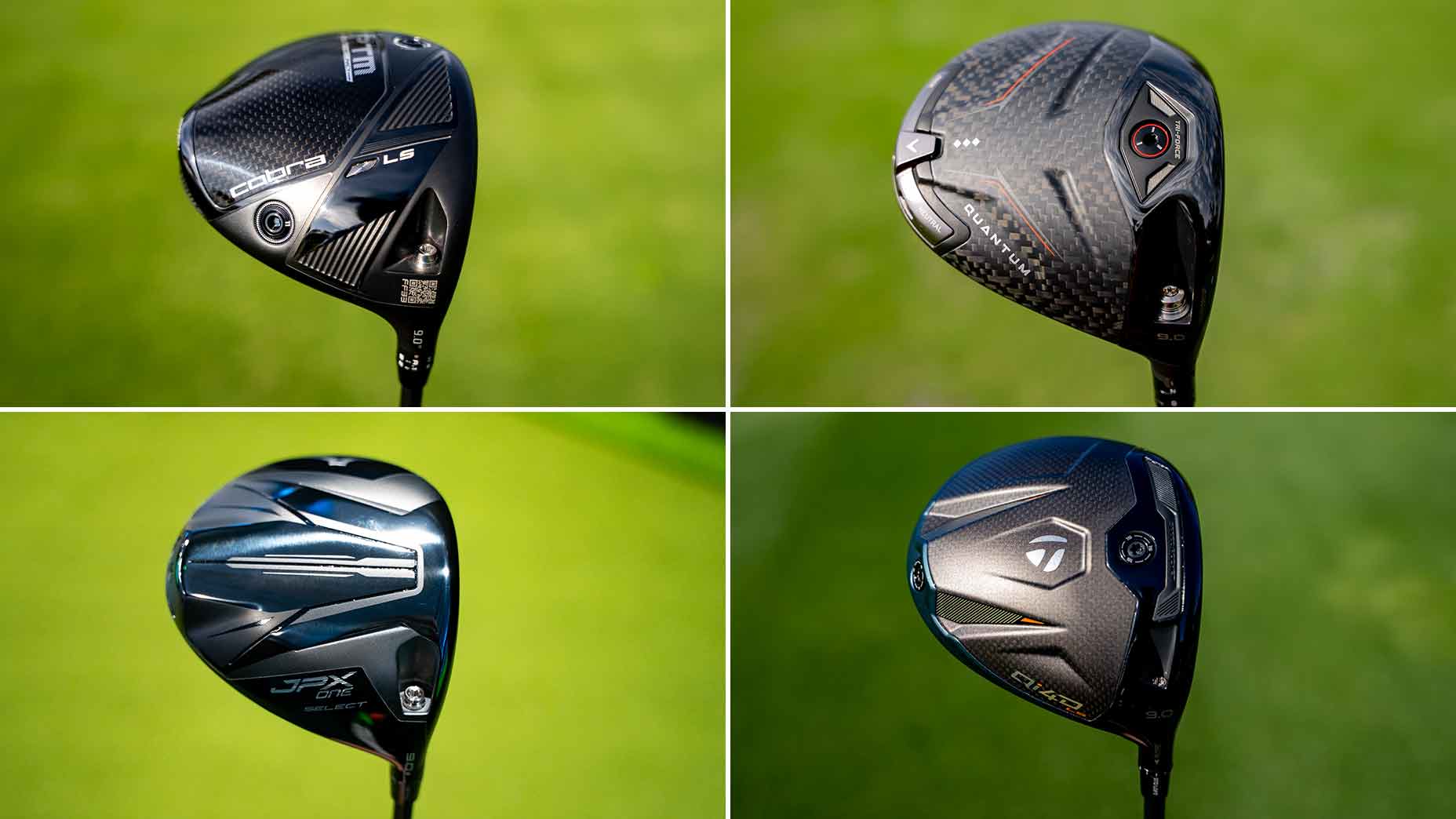
“None of those guys were frontloaded weights and they all drove it well when they played,” Wunder said. “The only time that they had a ton of weight up front is if they played with a lot of loft. So what I’m seeing is that these core heads, for example, if we’re going to talk about Callaway, the reason why the TD Max works so well, is that you can make it super low spin or you can make it super fast and super forgiving. [TaylorMade] Qi4D is like that. That’s why you’re seeing so many Ping players go from 440 LST into 440K. Because you can go down in loft.”
Because adjustability has come so far in modern drivers, companies are able to take more forgiving shapes and make them low spin by neutralizing the CG and lowering the loft. The only issue there is struggling to see the loft, which can be fixed with minor optical tricks like drawing lines on the face or brighter faces.
Morrow pointed out that the line between a company’s core model driver and the LS driver has blurred over the years, thanks to that adjustability. But that also means LS heads have gained forgiveness, which makes them great tools for players who fight a slice.
“I have put a lot of slicey people into a low lofted LS head that’s lofted up because it closes the face and it eliminates a lot of spin,” Morrow said. “They’re like, ‘Well, I’m supposed to be playing this because this is for the fast guy.’ Well, no, no, no. It’s just a spin thing.”
So is the LS driver ready to die? Probably not, but the use cases for them are definitely changing.