
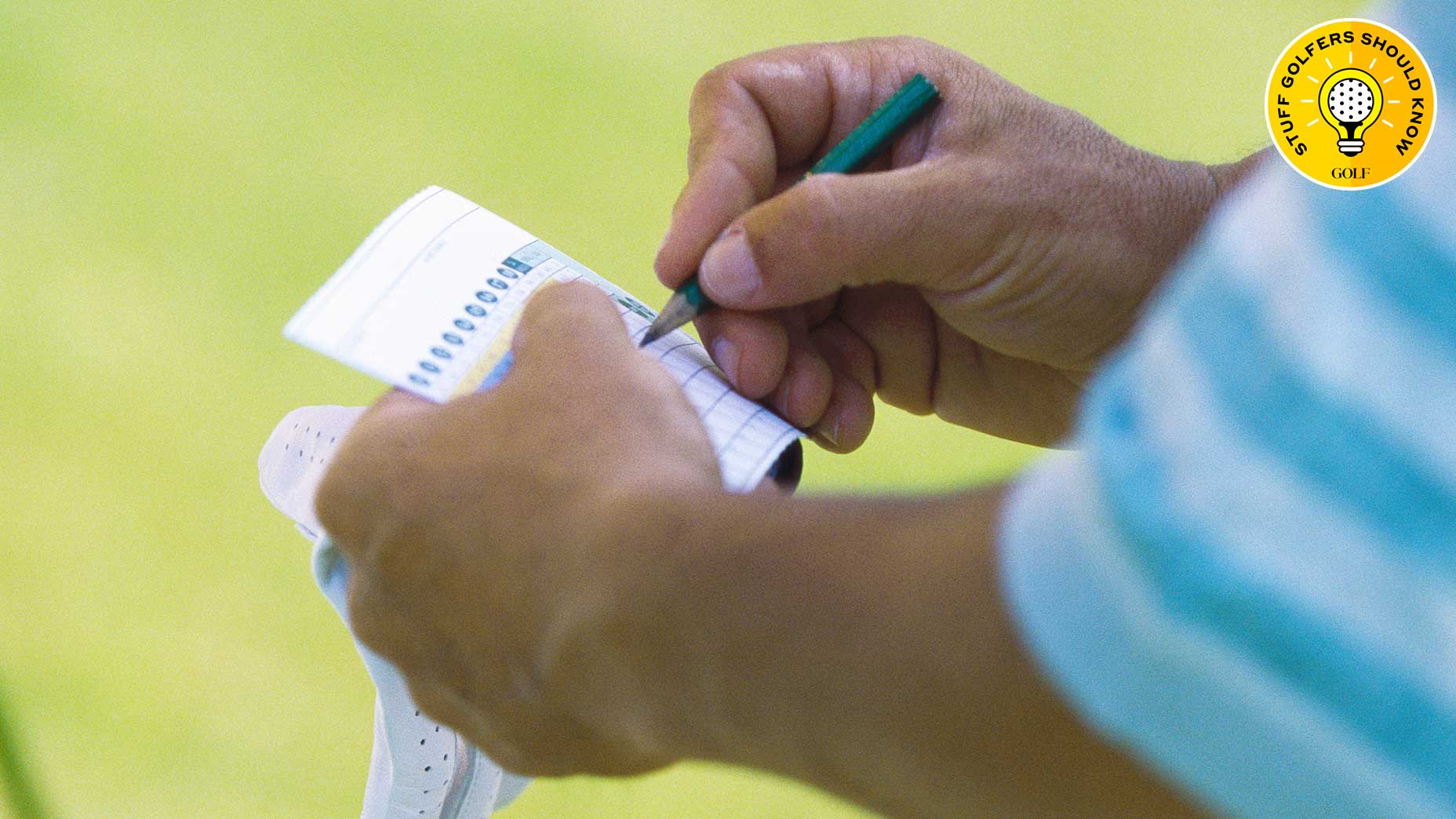
How’d you play last year? Don’t give us your gut feeling. Supply us with hard numbers, the kind of stats you get from counting every stroke and posting every score. That’s what is required to keep an accurate handicap. It’s not hard. Lots of people do it—3.68 million golfers in the United States alone. (Don’t have a handicap? You can sign up for one here.)
In 2025, they posted 82 million rounds under the World Handicap System, a domestic record. The USGA counted every one and crunched those numbers to produce the 2025 Golf Scorecard, a compendium of data-driven findings that provide a snapshot of trends in the game. Here are seven that caught our eye.
More Golfers Are Keeping Score
The 3.68 million golfers who kept a handicap in 2025 represent an 8.2 percent bump from 2024, and a 46 percent jump since 2020. Another way to put it is that the number of golfers who keep handicaps has increased by around 1.16 million since Covid hit.
Average Handicaps Haven’t Budged
With so many new golfers taking up the game, you might expect handicap averages to go up. But there hasn’t been dramatic change in those numbers. In 2025, the average handicap was 14.0 for male golfers and 28.8 for female golfers. In 2020, those numbers were 14.2 and 27.7, respectively. The more things change, the more they reveal that this game is really hard.
Scratch Golfers Are Unicorns
A lot of golfers dream of getting down to scratch. Very few do. Only 2 percent of male golfers have handicaps of 0 or lower. Female scratch golfers are even harder to come by. They make up just .85 percent of girls and women who keep handicaps.
Florida Posted the Most Rounds (Ok, no shock there)
When you’ve got year-round weather and courses on every corner, the numbers add up. Florida golfers logged more total rounds than any other state in 2025. The Sunshine State’s dominance in raw volume comes as a shock to absolutely no one who’s ever spent January anywhere north of the Mason-Dixon line.


Maine Crowned the Northeast’s Most Golf-Obsessed State
Here’s one we didn’t see coming. Despite having one of the shortest seasons in the country, Maine claimed the title of the Northeast’s golfiest state. The USGA’s formula divided total rounds posted by the number of golfers keeping a handicap, then divided again by the number of days the scoring system was open for posting. Turns out when you can only play half the year, you make every available day count. Florida led the Southeast, Wisconsin topped the Midwest, Colorado ruled the Central region, and Arizona won the West.
Arkansas Golfers Are the Best in America (By the Numbers)
If you’re looking for the lowest handicap average for men in the nation, head to Arkansas. Golfers in the Natural State posted better numbers than anywhere else in the country. Whether it’s the quality of instruction, the courses, or just a particularly dedicated group of players grinding away at their games, Arkansas earned bragging rights as home to America’s best golfers by average handicap (10.6). For women, Mississippi had the lowest average (22.0).
Nine-Hole Rounds Are the New Normal
Among golfers who established a handicap in 2025, half of all women’s posted scores came from nine-hole rounds. For men, that figure was about a quarter. The data confirms what many already suspected: shorter formats are attracting players who don’t have four hours to spare, and nine holes is just as legitimate a way to enjoy the game.
Career Days Were Surprisingly Common
“I never play that well,” your opponent tells you as he pockets your money after the round. We’re not saying you were sandbagged. The USGA isn’t saying that either. But the governing body does track unusually low scores—rounds that fall well below a player’s established pattern. These “exceptional score reductions” trigger a handicap adjustment to keep things fair. In 2025, golfers posted plenty of outlier rounds, the kind where everything just happens to click. The system flagged them and made the appropriate tweaks to keep handicaps a more accurate reflection of ability.
To browse the entire report yourself, click here.