
The epicenter of the earthquake that rattled New Jersey and its surrounds Friday morning was in the northwest part of the state, in Lebanon, about 50 miles west of New York City, according to the U.S. Geological Survey. Thankfully, there were no reported injuries or damage to infrastructure — it was just a brief, innocuous rumble — which frees us up to think about far more frivolous topics, like, say, how the Rules of Golf treat tremors.
The Lebanon area, which felt the brunt of the 4.8-magnitude quake, is populated by several golf courses, including the likes of High Bridge Hill, just to the northwest; Stanton Ridge, just to the southeast; and Fox Hollow, Fiddler’s Elbow and Trump National, all within a 10-minute drive due east. Just beyond Trump National is the headquarters of the United States Golf Association, in the bucolic town of Far Hills, which is fitting, because that’s who we contacted for counsel on how to proceed should your round get rocked.
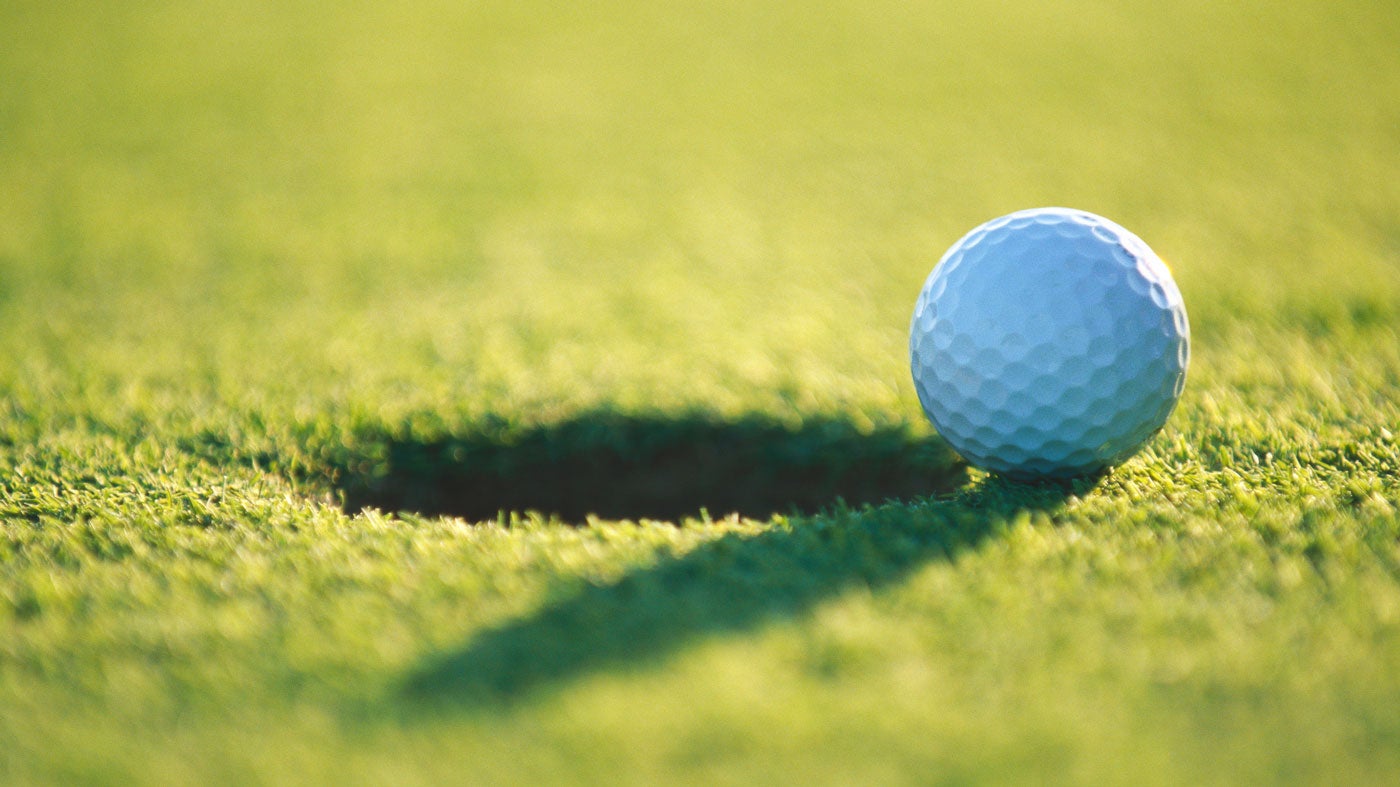
The first question that comes to mind is if reverberating earth shakes free a resting ball on a green and that ball drops into the hole, what then? This scenario would be particularly tantalizing if a tee shot on a par-3 settled an inch or two from the hole only for a quake to shake the ball loose and into the bottom of the cup. Hole-in-one, or nah?
The answer lies within Rule 9.3: “Ball moved by natural forces,” which states that if natural forces such as wind, water or gravity — or, yes, even an earthquake — cause a player’s ball at rest to move, there is no penalty and the ball must be played from its new spot. In the case of a ball that had toppled into the hole, that new spot would mean the base of the cup, meaning the ball’s owner could indeed claim the ace. Mother Nature can taketh, but in this situation she generously giveth.
Exceptions to the rule? Yes, there are a couple.
If a tremor causes your ball to move on the green after you already have lifted and replaced your ball, you must replace your ball on the spot, or estimated spot, from which it moved.
The second exception relates to natural forces moving a ball on areas of the course other than greens, and states: “If the player puts the original ball or another ball into play by dropping, placing or replacing it, and natural forces” — i.e., our quake — “cause the ball at rest to move and come to rest in another area of the course or out of bounds, the ball must be replaced on its original spot.”
Trembling turf also got us thinking about one other rules query: If, after a golfer had set a putt in motion, the movement of tectonic plates caused the ground between the golfer and the hole to crack or split, thereby either diverting the golfer’s ball or outright blocking its path to the hole — an extreme scenario, we realize! — would the rules offer any recourse?
Nope, same deal: natural forces. You gotta take the hand Mother Nature deals you.
But the next group through likely would get relief from the gashed green.
“Should this happen, there’s likely a lot more pressing things than golf to worry about,” Craig Winters, the USGA’s senior director of rules of golf and amateur status, said by text message. “But if golf continues, I suspect if the course is still playable, the committee would give the player free relief under Rule 16.1 due to what is now an abnormal course condition.”


