Welcome to Play Smart, a regular GOLF.com game-improvement column that will help you play smarter, better golf.
Lag putting is a key skill in golf. While making putts inside 10 feet is important, giving yourself stress-free tap-ins after long putts is even more crucial. Plus, unless you’re a pro golfer, it’s likely that a majority of your birdie looks will be in the lag-putt range.
For the best recreational players — scratch golfers — 28 feet is their average proximity from the cup after an approach from 100 yards. And for 10 handicappers, that distance stretches to 39 feet. With these numbers in mind, if you want to cut down your scores, becoming a great lag putter is a good place to start.


The secret to being a great lag putter is having good speed on the greens. Alignment is important, but, on average, dispersion is larger front-to-back than it is left-to-right. If you can tighten that dispersion pattern front-to-back, you’ll have a much easier time reducing three putts.
It’s important to get a feel for the speed of the greens every time you play, but you should also have enough feel with your putter to take that touch from course to course. If you don’t feel like you have solid speed with your putter, it could be because you’re putting an inconsistent roll on the ball.
To be a great putter, you want to get the ball rolling end over end as quickly as possible. It sounds easy enough, but some players actually put a bit of backspin on the ball when they make contact, which results in inconsistent distance control on the greens.
To help you put more topspin on the ball, GOLF Top 100 Teacher Tim Cooke has a great drill, which you can check out below.
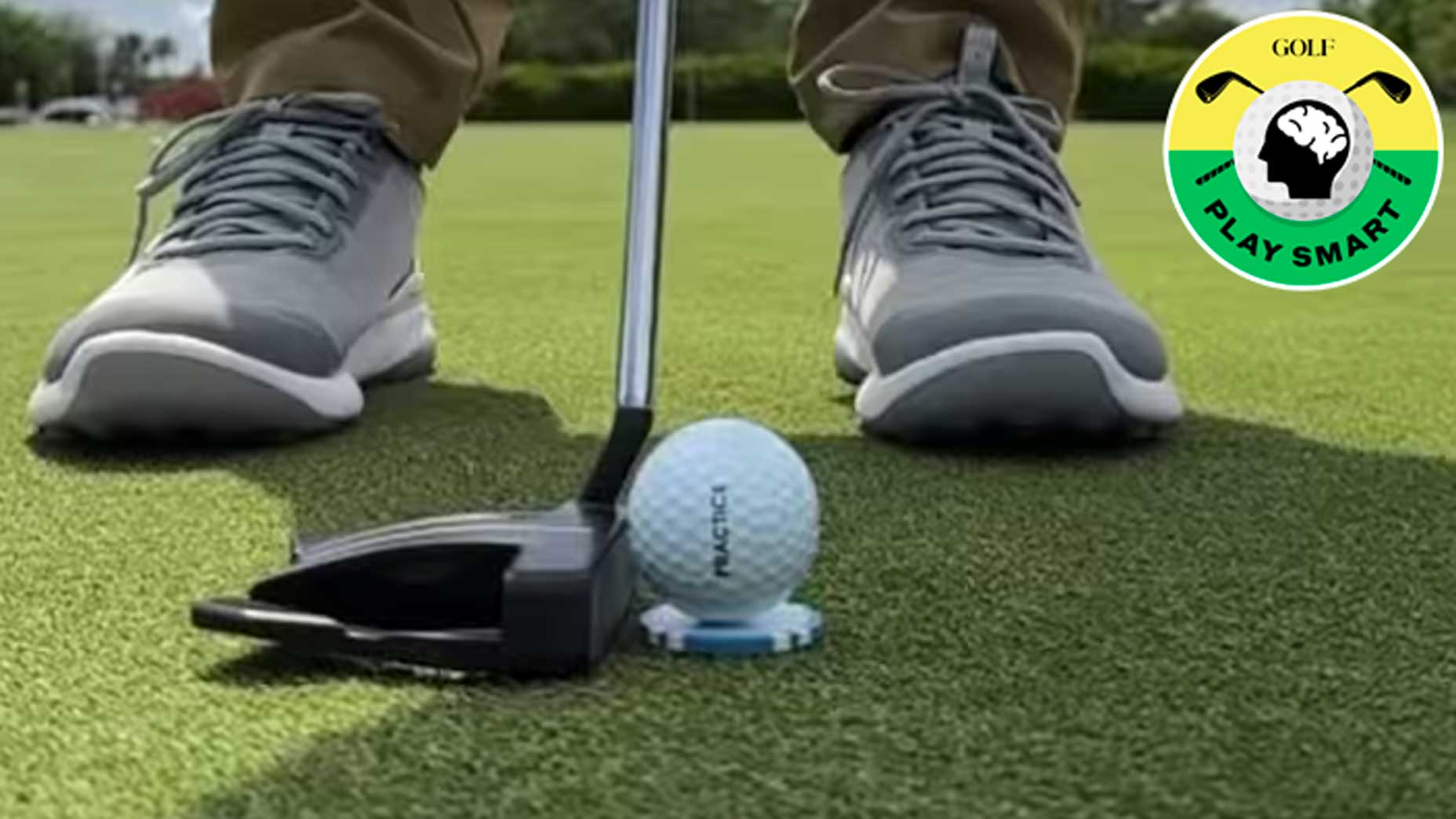
Cooke likes to call this drill the Poker Chip Rise exercise, and it promotes hitting the ball with the putter on a slight upswing, which helps get the ball rolling end over end.
All you need for this drill is a poker chip, a ball and your putter. The setup is simple: just place the ball on top of the poker chip and make your normal stroke. Your goal should be to hit the ball without disturbing the poker chip. If you can do that, your ball should start rolling with top spin immediately.
“Be athletic. Be reactionary,” Cooke says. “Feel the rise. The raising of the lead shoulder as you’re coming through the hitting zone. Manage the face and get that ball rolling as quick as possible.”
If you can properly execute this drill consistently, you’ll know you’re hitting the ball with top spin, giving you more consistent distance control on the greens.