Something golfers should think more about then they probably do is how they practice. Most of us neither have the time nor the inclination to invest more than a couple of hours a week, if that, into our games. And that’s ok! We have lives, and you’re allowed to want to improve your game without putting in professional golfer-level hours.
But if you do want to improve, you need to make the time you spend on your game count.
When it comes to putting, that can be particularly challenging. The stats say that short putting is one of the most important ways higher-handicaps can shave shots, and indeed, they are. But talk to a golfer who struggles with their putting, and often they’ll say it’s because their longer lag putts put them in three-putt position. Grooving the kind of touch and feel required on longer putts is an essential skill in golf and can have benefits not just on the greens, but throughout your game.
So, what should you do?
That was the question Claude Harmon III posed to world-renowned putting coach Phil Kenyon, who runs a putting academy online and has worked with a who’s who of elite players, on the most recent episode of his GOLF.com podcast Off Course (which you can subscribe to on iTunes right here).
The putts you should practice
Kenyon explains that putting well requires mastering three interlocking skills: Green reading, start-line and speed control. All putts require those skills, but they vary in importance based on the putt in front of you.
“From 5 to 15 feet, it’s about controlling your speed to match your line. From outside of 15 feet, it’s mostly about controlling your speed to lag it close enough for the next one,” Kenyon says.
For recreational golfers who may be stretched on time, Kenyon says it’s practicing the 5- to 15-footers that should take top priority, because it allows you to practice a bit of everything.
“A majority of your practice time should be 5 to 15 feet, because you’ve got green reading, start-line and speed control all within that,” he says around the 20-minute mark. “As you get closer to 15 feet the read becomes more prominent because you get more break. At 5 feet there becomes less emphasis on read, and more on start line.”
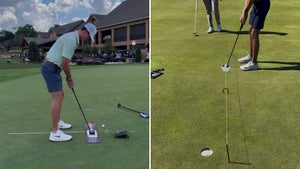
And when you do practice these, try to give yourself a form of feedback so you know what’s going wrong (or right!) the moment it happens. But overall, spend your time practicing those 5- to 15-footers, and your scorecard will be happier for it.
You can listen to the full episode below.
Need help with green-reading? Pick up a Green Book for your home course from our affiliate company, GolfLogix.