
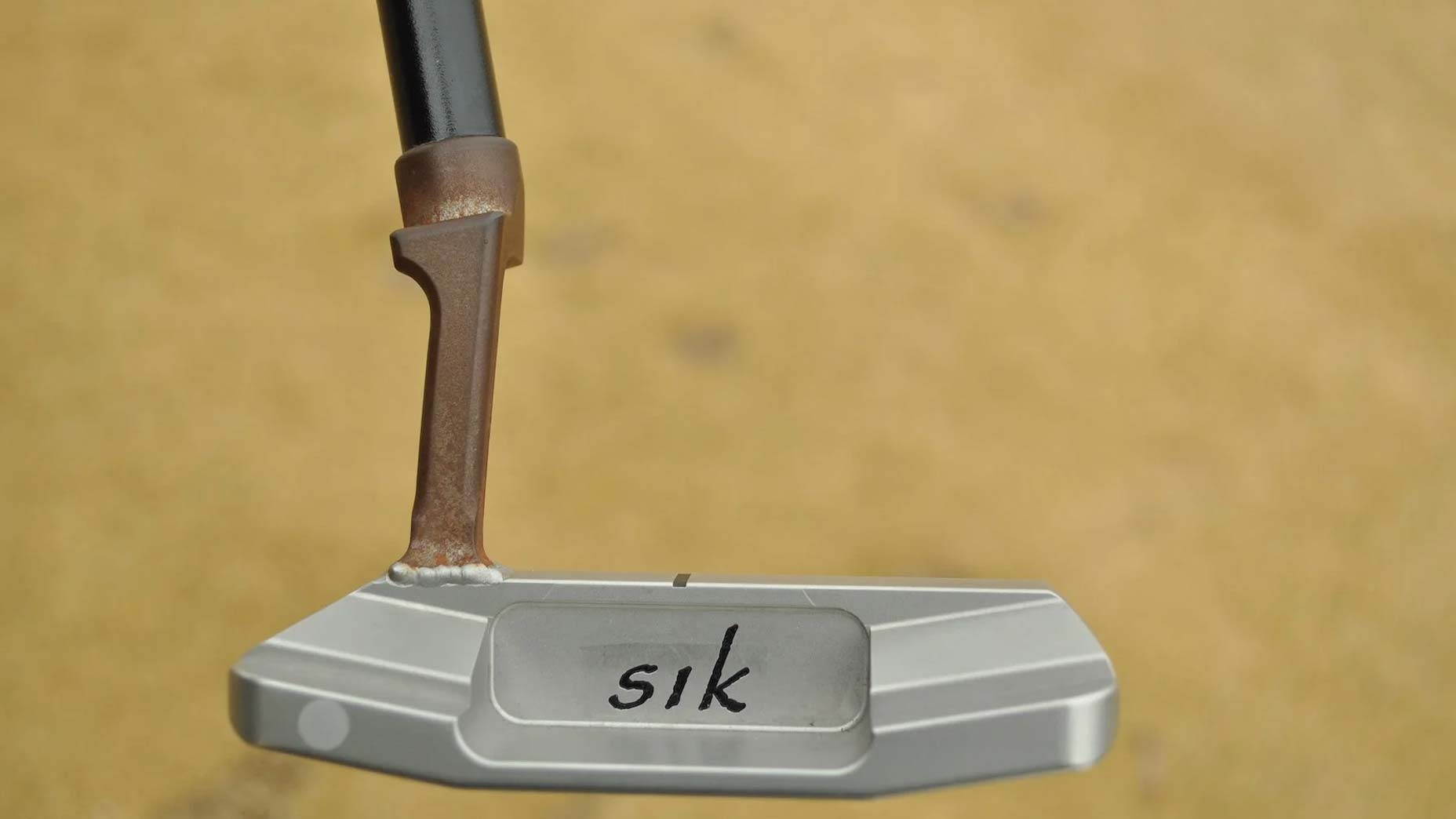
Putters come in all sorts of shapes, sizes and lengths with a bevy of hosel and face options to satisfy even the most persnickety golfer. We’ve reached the point where it’s all but impossible to claim there isn’t a putter out there that’s right for your stroke. It exists. You just haven’t found it quite yet.
Every golfer struggles with one aspect of the putter. Maybe it’s locating an ideal neck for your stroke type or a face design that matches your feel preferences. For others, it could be dialing in the overall putter weight to promote a proper feel and shore up issues with distance control.
Conducting a putter fitting should take most of the guesswork out of selecting the correct weight. Most manufacturers offer multiple weight options in each head type to satisfy a large majority of the golfing population. But sometimes 340 or 350 grams — roughly the average weight for a blade putter on the PGA Tour — simply isn’t enough weight. Maybe you’d be better off going lighter or heavier by 10 or 20 grams.
If you’re content with your current putter but want to alter the weight to see if it offers any benefits, there are a few routes you can go:
1. A little goes a long way

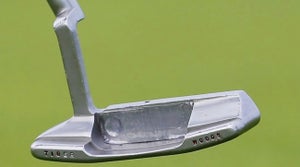
If you don’t own a putter with adjustable heel-toe weights, lead tape is the next best option. It’s cheap, readily available and gets the job done — if you’re looking to make incremental weight increases. A four-inch strip of lead tape will generally add two grams of weight to the putter head, which equates to one swing weight point.
Something else to keep in mind is where the lead tape is being positioned. According to Kris McCormack, True Spec’s VP of Tour and education, caking, say, the cavity with lead tape can not only alters the center of gravity location but acoustics and overall feel as well.
Placing it on the sole or in the cavity is a common location, just be aware the tape can remove paint from the head if left in the same location or not replaced periodically. If you don’t believe me, take a look at Tiger Woods’ putter after the 2019 Open Championship.
2. Shed the weight
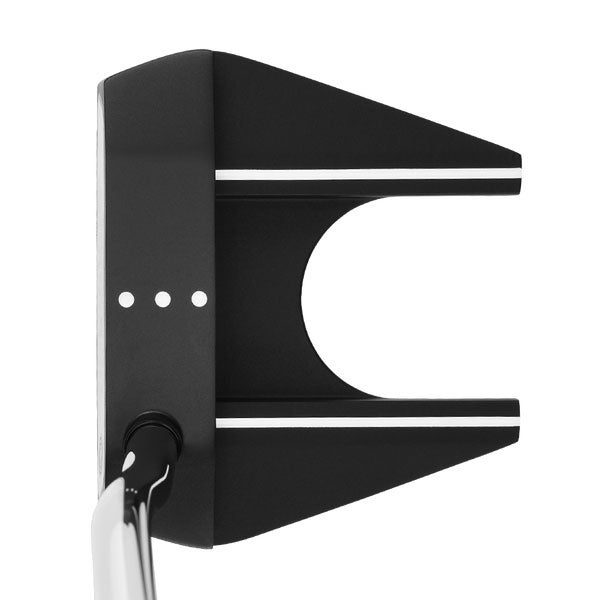
If lead tape is the solution for the everyman golfer looking to add weight, these options are best reserved for an expert club builder. Removing weight from a putter head isn’t nearly as simple as slapping some lead tape on the sole. Unless you know what you’re doing, you’ll almost certainly ruin a good club if you do the grinding or porting yourself.

View Product
A good club builder can remove weight from the sole without completely mangling the integrity of the design. Just be prepared to add lead tape if the lighter weight doesn’t fit your stroke, and understand that the original finish is going to be altered during the process.
Porting is a process whereby weight is drilled out of the head to lighten the overall build. It’s typically removed from the bumpers or sole and serves a similar purpose as grinding. Where porting differs from the grinding wheel is you can actually have tungsten — a popular option — added back to the ports to increase weight. It’s a pricey option, but it’s still an option nonetheless.
3. Secondary options

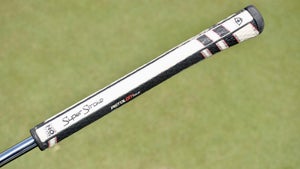
Adjustable grips like SuperStroke’s CounterCore offer you the ability to position mass in the butt end of the grip. The 50-gram removable plug is designed to counter-balance the putter, which can in turn improve the stability of the stroke. Some golfers will add additional mass to the head to counteract the change in swing weight. Going heavier has been proven to stabilize the head and reduce unwanted twisting.
The introduction of multi-material shafts like LA Golf’s OZIK TPZ (135 and 180 grams) makes it easier to go up in weight without having to alter the head as well. In the same vein as the counter-balanced design, most of these shafts are built to stabilize the head with low torque and reduce unwanted vibrations at impact.
Want to overhaul your own bag for 2021? Visit the expert fitters at our sister company, True Spec Golf. For more on the latest gear news, check out our latest Fully Equipped podcast below.


